

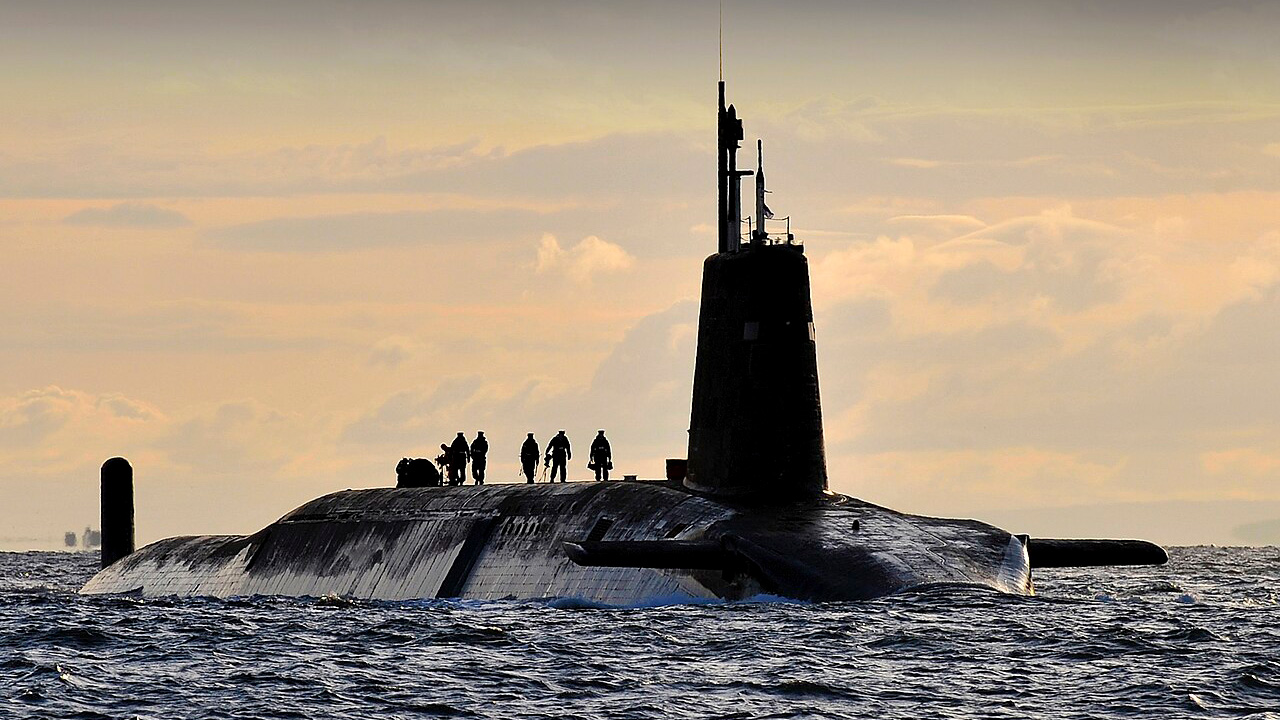
Britain is unique among allies in declaring its existing nuclear forces to NATO, but despite nuclear capabilities consuming over a fifth of the defence budget the Ministry of Defence does not maximise the political and economic value of that commitment, according to a report by the Defence Committee.
The committee, chaired by Tan Dhesi, the Labour member for Slough, examined nuclear deterrence in the High North as part of its inquiry.
Dhesi said: “The High North poses a major strategic challenge for the UK’s security. This is a demanding, hostile environment, and one that our greatest adversary, Russia, is seeking to dominate for military advantage.”
Its conclusion states: “The United Kingdom has committed to acquiring a sub-strategic nuclear capability to enhance deterrence, although how this aligns with the security of the High North is less clear. To ensure the capability is effective it will probably be necessary for the RAF to occasionally rehearse forward deploying the nuclear-capable F-35A aircraft to the High North. Recipient countries will, therefore, need to be fully aligned and supportive of Britain’s extended deterrence strategy. Uniquely, the UK already declares its existing nuclear forces to NATO, but despite consuming over a fifth of the defence budget the MOD does not maximise the political and economic value of this considerable financial and military commitment.”
According to the most recent departmental annual report and accounts cited by the committee, spending on nuclear capabilities accounts for £14.45 billion of the total defence budget of £69.61 billion.
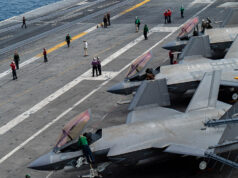
Britain agreed in 2025 to purchase twelve F-35A fighter aircraft for the Royal Air Force, giving it a sub-strategic nuclear capability and joining NATO’s Dual Capable Aircraft programme, with the Defence Investment Plan allocating £2.1 billion up to 2030 for the total British F-35 fleet. The committee notes that while the aircraft will be flown by RAF pilots, approval to use the nuclear weapons carried by those jets would in any crisis remain under American control.
The report asks how Britain will operate the new capability, including whether the aircraft would deploy to allied countries during peacetime to practise their wartime nuclear role, and how concern about the enduring level of American commitment to European security is addressed by carrying a weapon that remains under American sovereign control during any crisis.
France and Britain each hold around three hundred nuclear warheads, against an American stockpile the report puts at around 3,700 operational weapons. Under the July 2025 Northwood Declaration the two countries agreed to create a Nuclear Steering Group to provide political direction and coordinate across nuclear policy, capabilities and operations, and President Macron announced changes to French nuclear doctrine in March 2026 which included moving towards forward deterrence.
That resulted in bilateral agreements with NATO countries including Denmark and Norway in the High North, allowing French nuclear aircraft to deploy temporarily to their territory for exercises and joint missions. French nuclear assets will not be shared and French nuclear decision making will remain sovereign.
The committee records that France has generated considerable publicity around its agreements, strengthening its international profile on security matters and offering a platform to engage on wider issues including defence export sales.
Its recommendation asks the department to provide the committee with a classified briefing on how it intends to enhance nuclear deterrence through the new sub-strategic capability, including any discussions with regional allies on extended deterrence in the High North and the forward deployment of the capability, and states that given the financial burden of operating the deterrent the department should remind allies more frequently of the unique nuclear capability Britain declares to NATO.




I wasn’t aware of any commitment to acquiring a sub-strategic nuclear capability? Unless they mean the theoretical capability to deploy US tactical weapons on F-35A via dual key arrangement with the US (something several NATO nations already do anyway). The whole ‘declares its nuclear forces to NATO’ thing isn’t all that significant either- ultimately the PM retains ultimate authority over a launch decision and the main distinction vis-a-vis the US is that the latter is not as specific in its NATO nuclear defence planning.