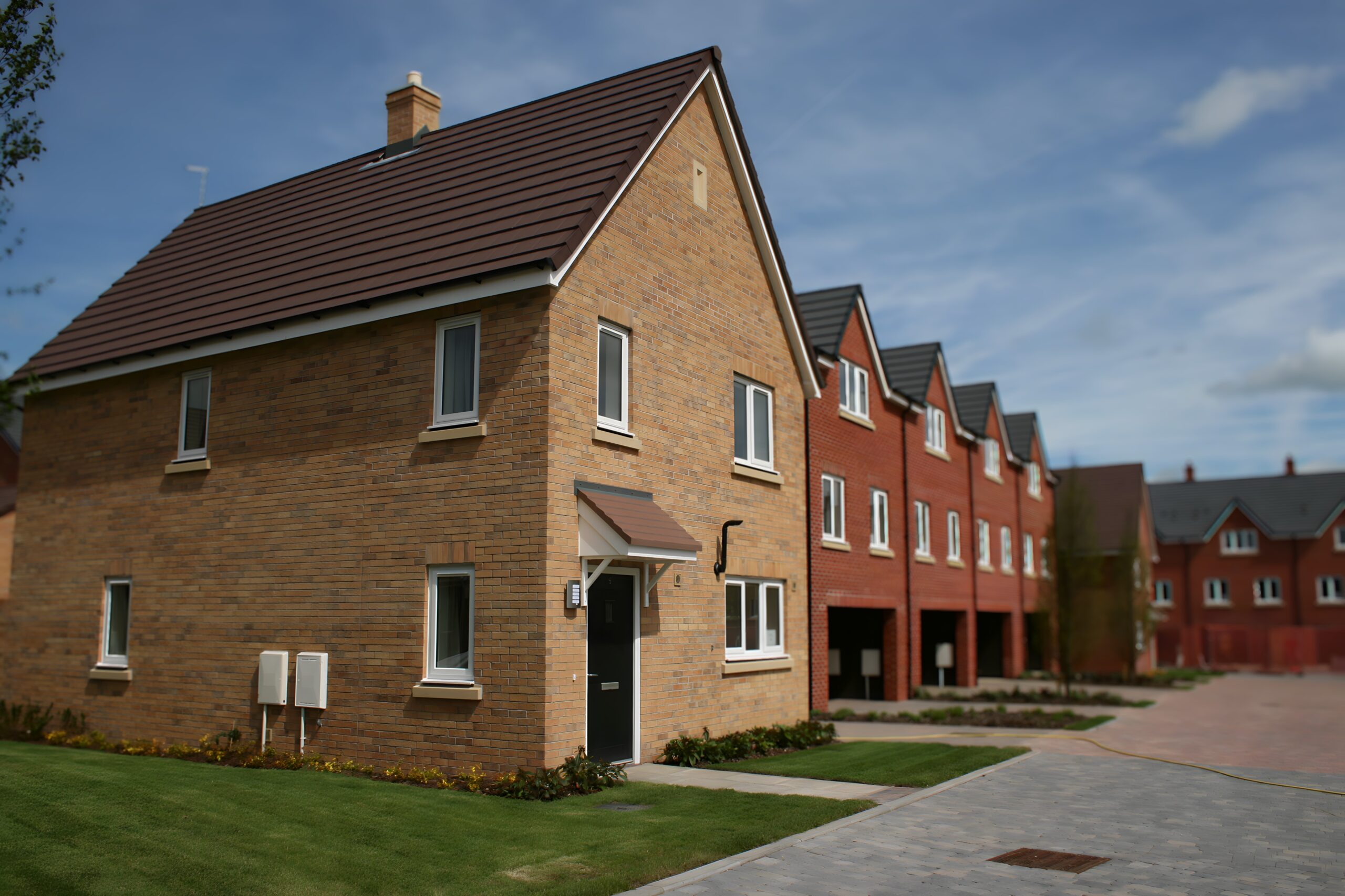
More than a billion pounds was moved out of the defence housing budget during the Defence Investment Plan process, and the Secretary of State for Defence has told MPs he is not comfortable with the choice and will not pretend rephasing allows the department to deliver as much as before.
Wes Streeting was giving evidence to the Defence Committee alongside Jeremy Pocklington, the Permanent Secretary at the Ministry of Defence.
Ian Roome, the Liberal Democrat member for North Devon, asked whether a decision had recently been taken to move over a billion pounds from the defence housing budget. Streeting said: “My predecessor took that decision. The amount being spent on defence housing is unchanged, but I concede that the profile of that spend—back to Mr Twigg’s earlier question—is more backloaded than it would have been. That is not stopping us from making a big difference on defence housing. Is it as fast as we would all like to see? No. You cannot pretend that, by backloading, you are still able to deliver the same as you would have done earlier on. It will improve year on year, but a choice was made to focus on capability over housing at that point in the process.”
Roome told him that personnel are the best capability the armed forces have, said he has a large garrison in his constituency with poor housing in some areas, and that without personnel to operate it there is no capability.
Streeting said: “I absolutely take that on the chin. I think a lot about the responsibility that I personally, and we as the state, have to people who serve, their families and people who have served previously. When I see the condition of some of our defence housing, it is up there with some of my worst constituency casework. I expect a lot better for those families who make enormous sacrifices and experience a lot of disruption for what they do. I am not comfortable with that choice, and I am not going to add insult to injury by pretending that rephasing does not mean that we will not be able to do as much as we would otherwise have done on the previous phasing.”
He said: “There will be year-on-year improvement, and already, since coming in, we have brought 36,000 military homes back into public ownership, delivering significant upgrades. I am keen to see what more we can do to leverage in investment in that area, because I understand the choice, but I do not think any of us ought to be comfortable with it.”
Pocklington said: “It was a very difficult decision in the final stages of the defence investment plan that the Secretary of State’s predecessor had to take. I would emphasise that we are still getting on and delivering. We are going to refurbish 1,000 homes this year and move another 1,000 homes from void unavailable to void available. It is a technical change, but it will release more homes through the hard work of the Defence Infrastructure Organisation.”
The department bought back 36,000 service family homes from Annington Homes and has committed to a programme of repair and renewal across the estate. The condition of service family accommodation has been the subject of sustained complaint and featured in the work of the Armed Forces Commissioner.
Dan Jarvis held the defence post before Streeting and settled the Defence Investment Plan, which was published in June.