Labour MP Graeme Downie has presented a Bill requiring the government to publish a strategy for recycling decommissioned nuclear submarines, saying the work could support around 300 skilled jobs at Rosyth for 20 to 30 years, according to remarks made in Parliament.
The Ten Minute Rule Bill would place a duty on the Secretary of State to publish a strategy including a timetable for the submarines berthed at Rosyth and Devonport, a plan for the skills and supply chain, arrangements for safe regulation and waste management, and regular reports to Parliament. Downie’s office said HMS Swiftsure is on track to become the first Royal Navy nuclear submarine to be fully recycled, and that about 200 people work on the programme at Rosyth.
Moving the Bill, Downie said: “Every time I drive back to my constituency, there is one sight that tells me I am nearly home. It is not a cathedral or a castle. It is the Goliath crane above Babcock’s dockyard at Rosyth. Goliath came over from Shanghai fifteen years ago to help put together the Queen Elizabeth-class carriers, and it has been part of the West Fife skyline ever since. The dockyard underneath it has been there a good deal longer – more than a century – and the people who work there are some of the most skilled I have the privilege to represent. Right now, they are doing something nobody in this country has done before.
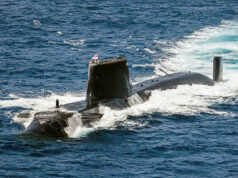
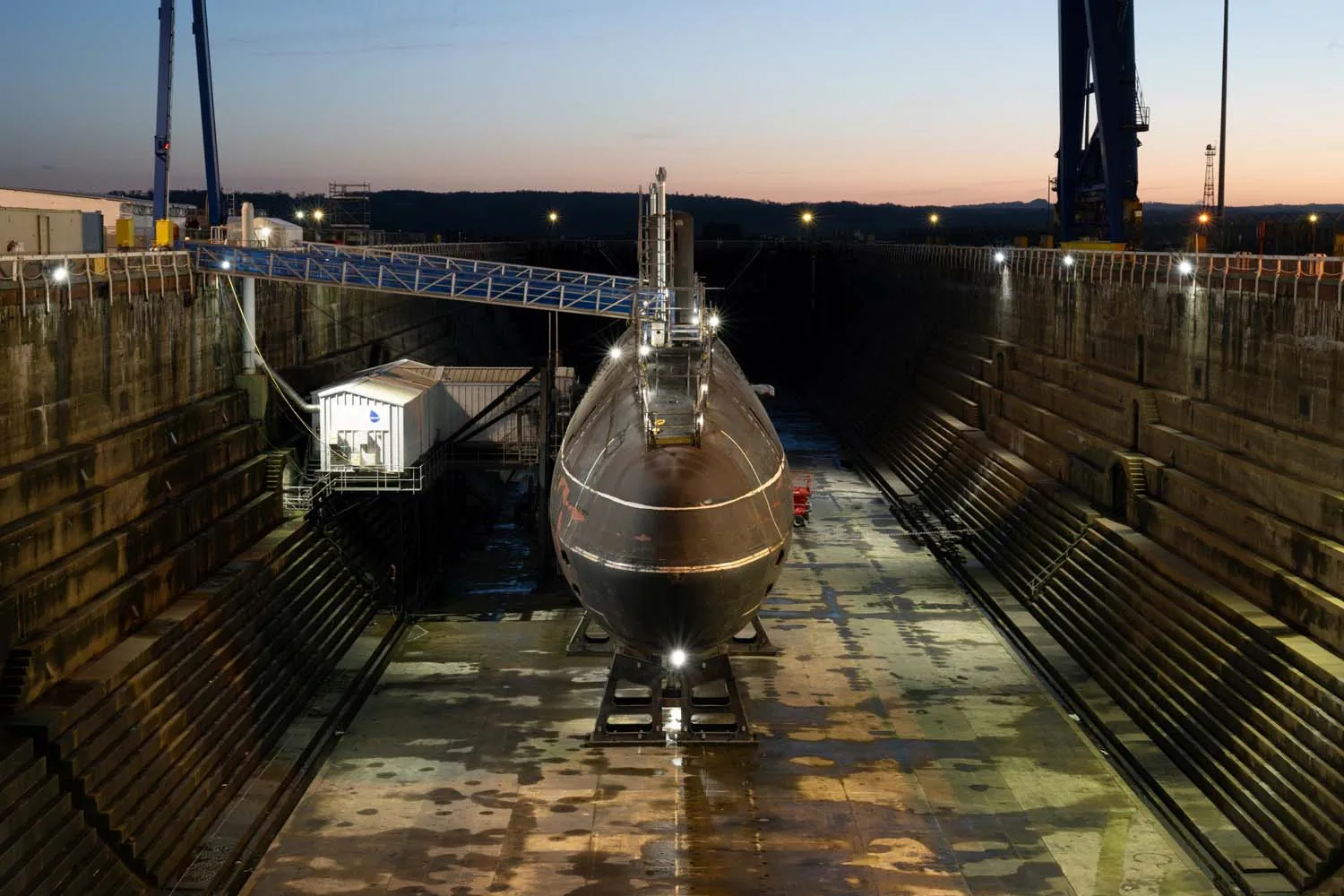
“HMS Swiftsure, a Cold War hunter-killer that left service in 1992, is on track to become the first Royal Navy nuclear submarine ever to be fully dismantled, with the work due to finish by the end of this year. Around ninety per cent of her is expected to be reused or recycled. More than 500 tonnes of material has already been stripped out and recycled – cabling, circuit boards, insulation and electrical equipment, each sorted into its own waste stream. Her fin has been lifted off whole so its steel can be recovered. And the best of the high-quality steel from these old boats is already being turned into components for future Royal Navy submarines. Put simply, the submarines that kept us safe through the Cold War are helping to build the ones that will keep us safe in the decades to come.
“I have been to see the work for myself and been inside Swiftsure and seen the great work being done so carefully and diligently. I want to thank everyone involved, and in particular Ken Dyke, the Nuclear Operations Director; Gary Thomson, who supervises the lifting; and Dean McGuiness, one of the welders on the project. They and their colleagues have made this look straightforward. It is anything but. Other countries are watching. Australia, our AUKUS partner, will one day have to retire its own nuclear submarines, and it will not be the only one. If we get this right, what is being learned at Rosyth is something we can sell to the world. But in the end, this is a story about people more than old boats. It is about the apprentice starting out, the engineer picking up skills that very few people anywhere have, and families who can find a good job without having to leave Fife.
“Governments of every colour have known about this problem for a very long time. In 1995, a Tory defence minister stood in Rosyth and promised that the dockyard would not become a graveyard for old submarines. Thirty-one years on, six are still waiting, and the seventh is only now being finished. Dreadnought, Britain’s very first nuclear submarine, has been tied up at Rosyth since 1980. She has now spent far longer waiting to be scrapped than she ever spent at sea. In 2019, the National Audit Office found that not one of the twenty submarines retired since 1980 had been disposed of. The Ministry of Defence had hoped to have a working process in place by 2011. It missed that by years. Promise after promise, and far too little delivered. That is the gap this Bill is meant to close.
“Alongside Swiftsure, six boats at Rosyth are waiting their turn: Dreadnought, Churchill, Resolution, Repulse, Renown and Revenge. Another sixteen are at Devonport. About 200 people are working on the programme at Rosyth today. Carry that work on into the next phase and Rosyth could support around 300 skilled jobs for twenty to thirty years. You do not get many offers like that in industrial policy. Since I was elected, I have raised this with ministers more times than I can count. I will keep doing so, because Rosyth should be the place the country turns to for this work.
“We talk a lot in this place about growth, usually in percentages and forecasts. But growth is not abstract. Growth is a young person getting an apprenticeship. Growth is somebody landing a skilled job. Growth is a family feeling secure enough to buy a home. Growth is a community knowing the investment is coming. Every boat dismantled means work for welders, engineers, project managers and technicians, and orders for local suppliers and places on courses at Fife’s colleges.
“And yet, Mr Speaker, I am sad to say that some in the SNP oppose this work. At the very moment the Rosyth workforce is showing it can be done safely and to the highest standards, some in the SNP have chosen to peddle unnecessary scare stories instead of trusting the local people doing the job. Frankly, that is scandalous. It means turning their backs on hundreds of skilled jobs and on apprenticeships for young people in Fife. The men and women at Rosyth are not a risk to be managed. They are the reason this is working. So I would say to anyone in the SNP who opposes this program: come to Rosyth. Meet the workforce. Then explain to them why you would rather those jobs went somewhere else.
“What that workforce needs more than anything is certainty. You cannot switch skills like these on and off. Leave a long gap between one boat and the next, and the experienced people retire or move on, the apprentices find work elsewhere, and we end up starting again from scratch. This Bill would put a duty on the Secretary of State to publish a strategy for recycling the UK’s decommissioned submarines. It would have to include a timetable for the boats waiting at Rosyth and Devonport, a plan for the skills and supply chain the work relies on, the arrangements for safe regulation and waste, and regular reports back to this House. No more open-ended promises: a published plan and ministers answerable to Parliament for delivering it.
“There is a security argument too. Being able to look after a nuclear submarine from the day it is built to the day the last piece of it is recycled is part of having a sovereign nuclear capability, and we should keep that capability in this country. Mr Speaker, for more than a century, Rosyth has helped to keep this country safe. The six submarines still sitting in the Forth represent years of work, hundreds of careers, and a chance to build something here that the rest of the world is going to need. This Bill is for Ken, Gary and Dean and the people they work alongside, and for the young people in Fife who could follow in their footsteps. I commend it to the House.”
Downie has also called for one of Scotland’s two Defence Technical Excellence Colleges to be based in Fife. Speaking after his speech, he said: “Rosyth has the work, the workforce and the expertise. A Defence Technical Excellence College in Fife, alongside a clear strategy for recycling our submarines, would give more young people a direct route from the classroom into skilled, well-paid jobs on their doorstep.”
Lord Coaker said in 2024 that Britain must speed up dismantling its decommissioned submarines, acknowledging the timeline could otherwise stretch into decades. An SNP-run council raised concerns last year about submarine dismantling and a proposed contingency docking facility for Dreadnought-class submarines at Rosyth, the UK Defence Journal reported, and Downie accused SNP figures of spreading misleading claims about the work.