

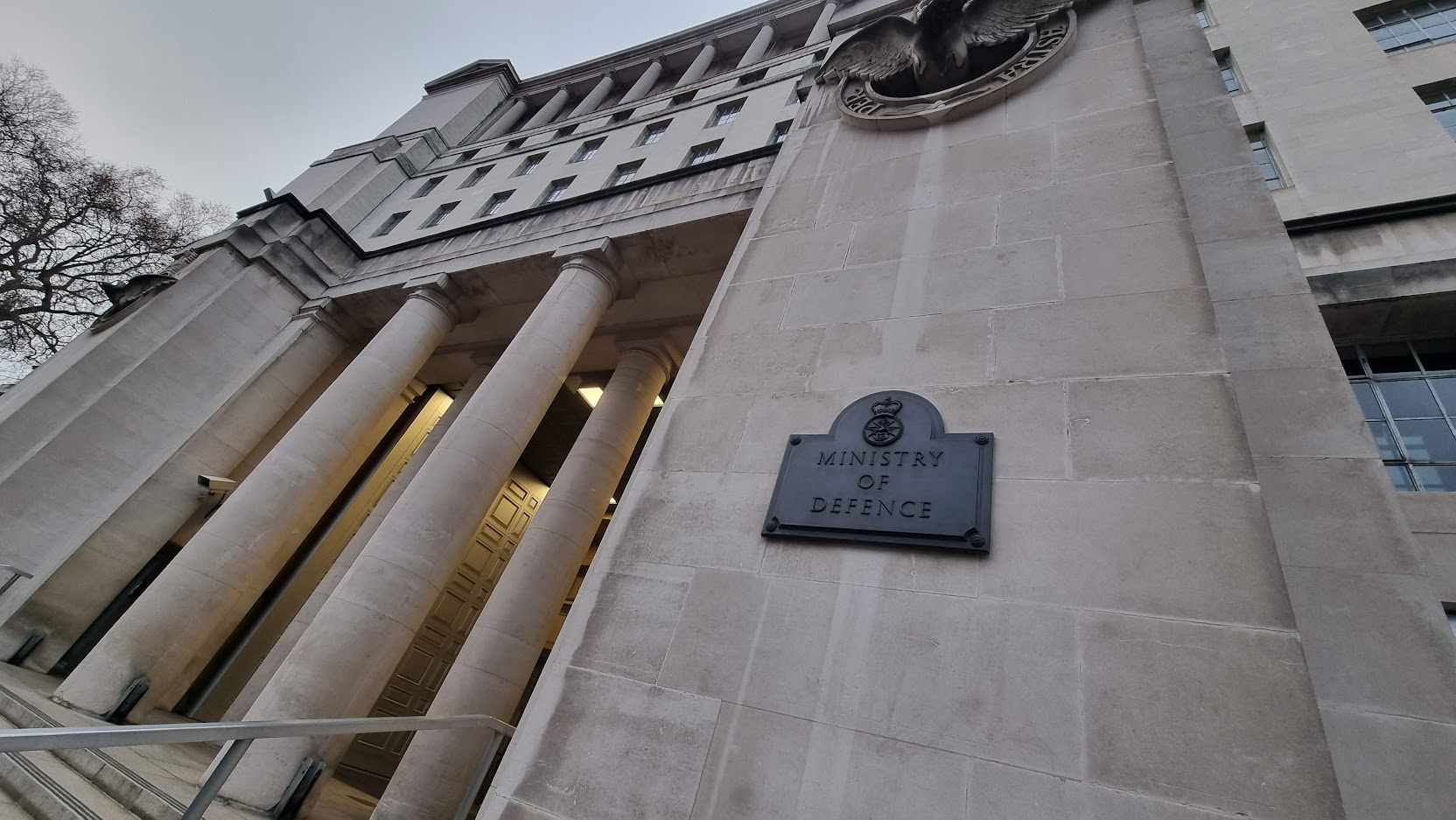
The Ministry of Defence has not identified which assets it will sell to meet a £400 million asset sales target that formed part of the Defence Investment Plan settlement, according to the National Audit Office, which also set out how the Treasury lifted £2 billion of Ukraine security guarantee costs from the defence budget.
The NAO’s report states: “The DIP settlement also provided the MoD with a further £3.4 billion ‘spending power’ by removing burdens on it.” It lists four elements: “HM Treasury agreeing that it would fund security guarantees in the event of a ceasefire between Russia and Ukraine, meaning the MoD did not need to set aside £2 billion for this purpose (as it had previously committed to do); HM Treasury setting the MoD a further efficiency target of £400 million – however if this target is not achieved, HM Treasury would provide the MoD with additional funding; HM Treasury agreeing that the MoD did not need to ring-fence £0.6 billion to cover the UK’s potential future international treaty obligations; and a further asset sales target of £400 million, which HM Treasury believed the MoD would be able to achieve – the MoD has not identified which assets it will sell to meet this target.”
The report adds: “With the £11.6 billion budget increases, the total additional funding provided in June 2026 came to £15 billion.”
Auditors also found that in the final stages of the process, in June 2026, the MoD included measures to cut costs by £3.3 billion up to 2029-30 that were not supported by finalised delivery plans. “Other targets introduced at the end of the process included an asset sales target of £0.4 billion and reprofiling £0.6 billion of spending on project portfolios until after 2029-30,” the NAO said.
The NAO said the settlement means the MoD expects total defence spending to equal 2.6% of GDP in 2026-27 before rising to 2.7% for the rest of the spending review period. It noted that, according to NATO’s estimate for 2026, “the United Kingdom spent 2.56% of GDP on defence, compared with a NATO average of 2.86%. The United Kingdom ranked 14th out of 31 NATO nations for defence spending as a percentage of GDP.”
When the plan was published on 30 June, the Treasury said £3.4 billion of additional spending power would come from removing burdens from the defence budget, including Ukraine security guarantee costs the Treasury would take on, as we reported. The package drew on a 1% cut to departmental capital budgets and contributions from the Department for Transport and the Department for Energy Security and Net Zero.
Britain and European partners have examined a post-ceasefire reassurance force for Ukraine including a ground presence, air policing and maritime security in the Black Sea. In October, Luke Pollard, Minister for Defence Readiness and Industry, told MPs the risk of guarantee costs had moved to the Treasury, this publication reported. Pollard said: “These risks were transferred at the point the Defence Investment Plan was finalised.”
In the October Budget, the Chancellor set a target of 3% of GDP on defence in 2030 and said the path to NATO’s 3.5% by 2035 would be set out at the 2027 spending review, as we reported. The Budget also announced a £10 billion Ukraine package of loans, export finance guarantees and winter military funding.
Earlier this month, Defence Secretary Wes Streeting said more defence spending would come at next year’s spending review, telling the Atlantic Future Forum aboard HMS Prince of Wales: “We are already delivering the biggest sustained increase in defense spending since the end of the Cold War”, as reported by this outlet.
Gareth Davies, head of the NAO, said: “The Ministry of Defence has taken important steps to improve its understanding of the cost of its investment plans. But much remains to be done to ensure the Defence Investment Plan can be delivered as intended.
“The department must now monitor the Plan closely, maintain accurate cost information and be transparent with Parliament about emerging pressures.”










Couple of nearly new Aircraft carriers they could get rid of.
I’m not even joking. In a war with Russia they wouldn’t be much use and would be giant targets. We could switch the next order of F-35s to A models and we’d have plenty of sailors to man the new frigates. We might even be able to afford a few more P-8s.
Sell them to the Americans. They can fit catapults to them (steam if they want!) I suspect a certain politician could be persuaded he’s getting a great deal if we offer them to him for a couple of billion and then let him “negotiate” a hundred million or so off.
Stuart, the carriers were built for a 50-year life. They are not just for fighting Russia for a few weeks in 2030, which is when everyomne says that ‘the war’ will be. Also, they have 4 roles, not just carrier strike.
“In a war with Russia they wouldn’t be much use and would be giant targets”
Just like RAF airfields except the RAF targets don’t move.
.. and are not defended against any kind of aerial threat.
Don’t sell. Don’t buy either. Admit that the DIP isn’t fully funded and cancel some of the purchases. You’ll find it difficult to match the value you lose on a second-hand sale, by buying new.
Assets for sale? Anything that isn’t nailed down. And even then…….