

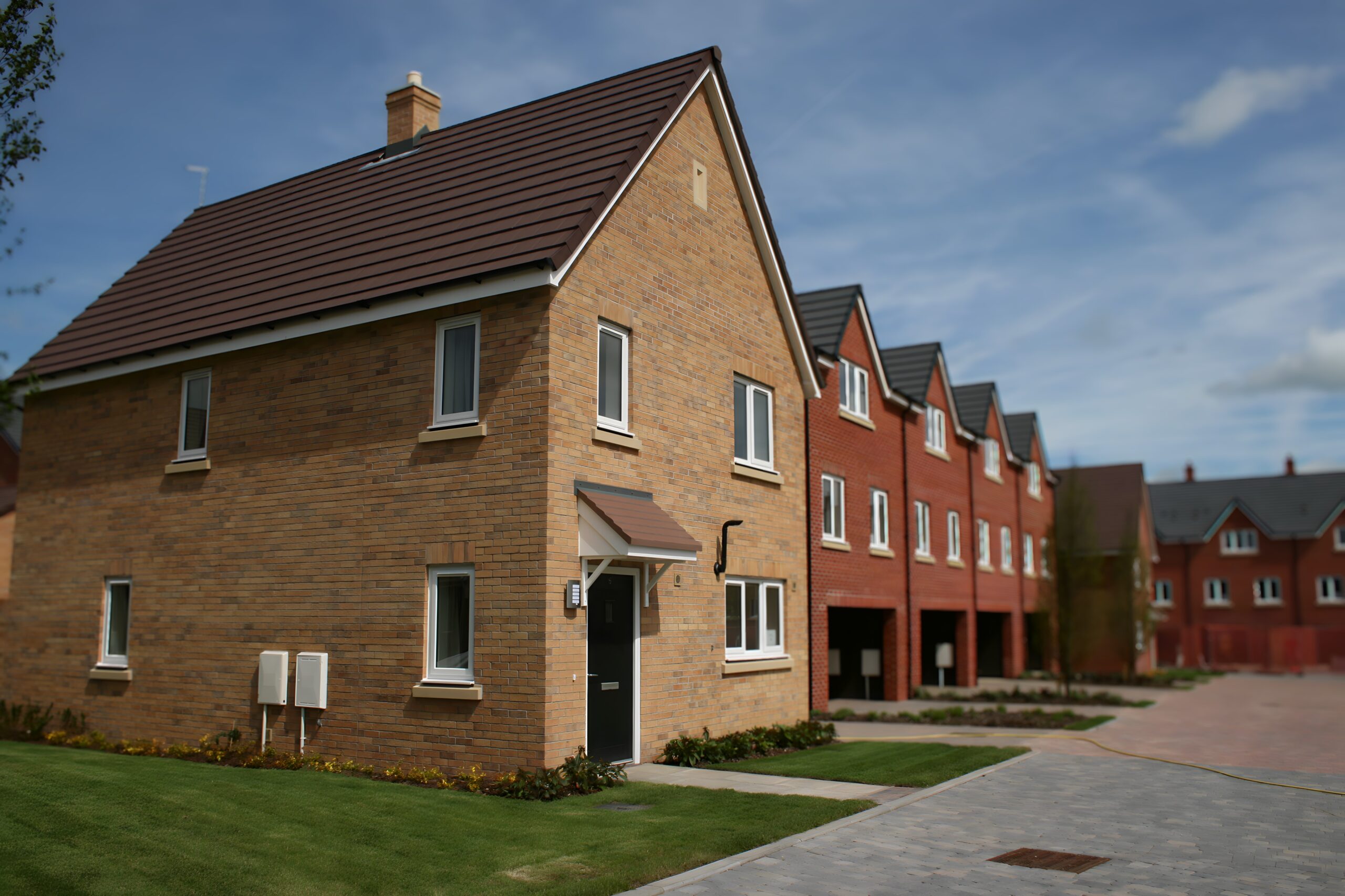
Legislation laid before Parliament would create a standalone Defence Housing Service, extend the Armed Forces Covenant across government and trigger what ministers describe as the largest renewal of military housing in a generation.
The UK Government has introduced the Armed Forces Bill to Parliament, setting out plans to place a new Defence Housing Service on a statutory footing and extend legal protections for service personnel and their families across all levels of government. According to the Ministry of Defence, the Bill would establish a dedicated Defence Housing Service responsible for renewing the vast majority of the forces housing estate, following what the government describes as years of underinvestment. The new body is intended to deliver the £9 billion Defence Housing Strategy announced in November, with the aim of upgrading nine in ten military homes.
The legislation would also enable the development of up to 100,000 homes on surplus defence land, with serving personnel and veterans given priority access. Ministers say this would form part of a broader effort to improve accommodation standards, services and long-term housing options for the Armed Forces community. For the first time, the Armed Forces Covenant would be extended in law across central government, devolved administrations and local authorities. This would require public bodies to take account of the specific circumstances of service life when delivering areas such as housing, healthcare, employment support and social care.
As part of the reforms, the Ministry of Defence confirmed that urgent refurbishment work has already been carried out on 1,000 homes, completed ahead of schedule before Christmas. The work followed the return to public ownership of more than 36,000 military homes last year. Further upgrades are under way, including more than 200 homes in Helensburgh, which the Defence Secretary is visiting today. The Bill also includes measures to strengthen the UK’s Strategic Reserve, expanding the conditions under which former service personnel can be recalled. Proposed changes would raise the maximum recall age from 55 to 65, align recall periods across the services, and lower the threshold so reservists can be recalled for warlike preparations, rather than only in cases of national emergency or attack. The government says the changes would bring the UK into line with arrangements already used by several NATO allies.
Defence Secretary John Healey said the reforms were intended to reset the relationship between the state and those who serve.
“Our Armed Forces make extraordinary sacrifices to keep this country safe. In return, they deserve homes fit for their families and the support of a nation that proudly values their service,” he said.
“Through this legislation, a new Defence Housing Service will drive the biggest improvement in forces accommodation for a generation, we will ensure reserve forces can step up when needed and we will extend legal protections so that every part of government considers the needs of our service personnel and their families.”
Alongside housing and reserve reforms, the Bill introduces new provisions to improve support for victims of serious crimes within the Armed Forces, including sexual offences, and to reduce the risk of further harm. It also proposes new powers to counter drone incursions over the Defence Estate, reflecting concerns raised by the war in Ukraine about the threat posed by uncrewed systems. The Ministry of Defence said the measures build on recent changes including the largest pay rise for service personnel in more than two decades, the creation of an Armed Forces Commissioner, and the removal of 100 legacy recruitment policies.












Nice start if properly funded…
Seems to be the one area they’ve not cocked up. That and promising more submarines.
Might be the only thing they have spent money on as it sure as hell is not spent on new kit, some thing is better than nothing i guess.
I’m going to a cynic and be suspicious, and that’s based on the direction this lot seem to be going. If it’s genuinely for the forces it’s one of the best and most cost effective long term investments they can make. It helps with retention, morale, work / life balance and future recruitment and if properly maintained has a sustainable long term effect on costs / effectiveness, job churn of skilled / trained people is a killer in any business or organisation.
Saying that now for the other side of the coin, massive gap in the budget, chancellor who is short sited and welded to a political mantra, result more defence cuts !
After all what is the sense in having expensive cannon fodder because we have no cannons, missiles, air over or air defence to avoid that. Best bet build new homes on easy to develop land, reduce headcount and put the Asylum seekers in them.
Cynical yes but not unreasonable.
They’ll be gone before they can enact that piece of national mutilation.
I think they prioritise this as ideologically, deep down, they dislike the military, but this doesn’t involve the distasteful bombs bullets and killing part.
And yes, they made great fanfare that several ex military are now MPs, where before for decades there were hardly any on the red side.
These new homes? Where are the sewage farms, extra roads, extra schools, extra hospitals, extra jobs, extra nurseries, extra GP Surgeries, and all the rest?
As said, they’ll be gone. I hope this is for our forces SFA.
Any idea where this land is and what it’s used for now? I know it’ll be spread out, but there must be some large sites they already have in mind.
Several years ago many sites were listed for disposal, I think it was 41 sites. I have a list somewhere.
Chicksands, for example, and Henlow.
Prime real estate.
Thanks, so well-located and very valuable. If they actually build anywhere near 100,000 homes, the £9 billion being invested would be peanuts compared to the money to be made from exploiting MoD land. So I suspect that’s the motivation here. Of course the country needs more houses, but once they start tapping into this land, will they know when to stop…
I’m not at home, otherwise I’d give you a full list. Let me think….N Luffenham was another, some single Bn army Barracks, it’ll be on line from 2016 sort of time frame. Luckily,strategic assets like runways, ports, Depots, DM sites and such didn’t feature, as once they’re gone, thats it.
I hope, pray, that that’s what they reference and they don’t have a new list.
HMG have a habit of taking chunks out of the estate once they’ve had their fill of capability and kit.
But many sites end up getting rescinded or delayed closure as low and behold you
cannot just magically move units without suitable or new infrastructure in place.
Chivenor, Ripon, Stonehouse, Chepstow, Fort George, Brawdy, more Just came to mind. Brawdy hopefully gets cancelled so the deep space radar goes there, and Chivenor has a valuable runway.
Agree, anyone who seriously believes that their prime motivation is our servicemen and women?? Well, what can I say.
Thanks, I knew you’d be the one to ask about this land. Despite them saying refurbishment will take priority, I bet more of the £9 billion is being allocated to preparing these sites (demolition, site prep, planning, infrastructure, etc.) than to the refurbishment itself, as that’s where the ‘return’ is.
Had a look at the files now I’m home.
ARMY:
Abingdon Dalton Barracks.
Part of Bicester Garrison ( St Davids Bks )
Cawdor Barracks Brawdy ( hopefully retained, at least the airfield if not the admin/tech area. )
Chepstow Beachley Bks.
Colerne Azimghur Bks. ( Yet there is a vital SGS on the airfield that will surely remain.)
Didcot Vauxhall Bks.
Redford Inf and Cav Bks Edinburgh.
Fort George.
Hermitage Denison Bks. ( Int elements to 3 sites )
Hullavington Buckley Bks.
Maidstone Invicta Bks.
N Luffenham St Georges Bks.
Plymouth Citadel and Stonehouse.
Preston Fulwood Bks.
Ripon, Claro and Deverall Bks.
Swanton Morley Robertsons Bks.
Tern Hill Clive Bks.
Wimbish Carver Bks.
Winchester St John Moore Bks. ( Local MP jumping up and down already.)
Woolwich Napier Lines, unsure if RA Bks included.
York Imphal Bks.
RAF:
RAF Henlow.
RAF Halton.
( RAF already mullered several times, not much left until they dig into juicy MOBs.)
RN:
RMB Chivenor. ( I think this may have been retained its no longer listed as under threat on my list.)
RMB Stonehouse.
HMS Vulcan.
MoD:
Blackpool Tomlinson house.
Ashchurch was listed by some lunatic but luckily rescinded.
MOD Chicksands. ( lots here, DI to go to 3 sites, Digby, Garrats Hay, Wyton.)
MoD Feltham Stn. ( DGC to Wyton imminent.)
Rosyth Forthview House.
Gibraltar, various small sites already released, although we retain plenty.
Cyprus, various small bits of both East and West SBAs.
Various other small bits and pieces of retained sites I could not be bothered to list and probably missed some others.
Cheers.
Cheers, I appreciate that. I’ll have a good look when I get my laptop out. It seems it’s not only MIC rubbing their hands.
Refurbishing existing homes is clearly needed, so prioritising that is a good idea for the reasons you mention. It’s the development of up to 100,000 homes on so-called “surplus” defence land that concerns me. The government says the £9 billion will be prioritised for refurbishment, but are we going to look back in a few years and realise this was really about unlocking MoD land, dressed up as “generational renewal”?
Doesn’t mean anything. DE was an agency but it didn’t have the budget to do anything and what money it did have was pushed into expensive PFI’s by government policy. Its just grandstanding thst will cost money and do nothing
Utterly dire that this solution is needed.
Singlies accomodation was dire in the 1980s.
The army does not look after it’s people.
Money well spent. Probably the single most important thing govt could do to encourage recruitment and retention and to rebuild trust. Next step is the DIP – decent set of tools to do the job.
“Strengthen the Strategic Reserve” including increasing call up age to 65!
What utter scum you are…..HMG.
You’ve spent the last 30 years sneering at patriotism or old fashioned values, decimated the armed forces, leaving borders an optional arrangement, deriding people concerned at how the country has changed, including many vets.
And now you want the people who have done their time to go and do it all again, the root of which is because you cannot find enough younger people to serve as you keep cutting the military, treating them like dirt, then wondering why recruitment is a problem as it deters people from a military career.
Why not fix the regulars before calling up the older generations?
And will you be including those whom you’re happy to have at risk of being dragged through the courts because of what they did in Northern Ireland in the heat of the moment when their lives were at risk?
What a shambles of a government we have…
To expand after further thought.
Half the Army have Regiments without their main fighting asset:
RA Regiments without their 155mm guns.
Formation Recc Regiments of the RAC on foot or using cast offs as CVRT was binned and Ajax in trouble.
Regiments amalgamating as there aren’t enough people.
Armoured Infantry shortly to lose their IFV, at your insistence as Warrior will not be retained.
Gaps in sub units so bad several new Gurkha Batteries and Squadrons have formed to plug the gaps.
Sort the regular Army out before expecting those over 55 who’ve done their bit to bail you out after your own incompetence.
That isn’t aimed specifically at Labour, but also EVERY PM, Chancellor and Defence Secretary from John Major onwards, who have presided over the hollowing out of our forces All of whom I see standing gravely in their black coats at the Cenotaph every year, acting like they care.
I hope that these new quarters are actually near the barracks where the chaps and chapesses actually work.