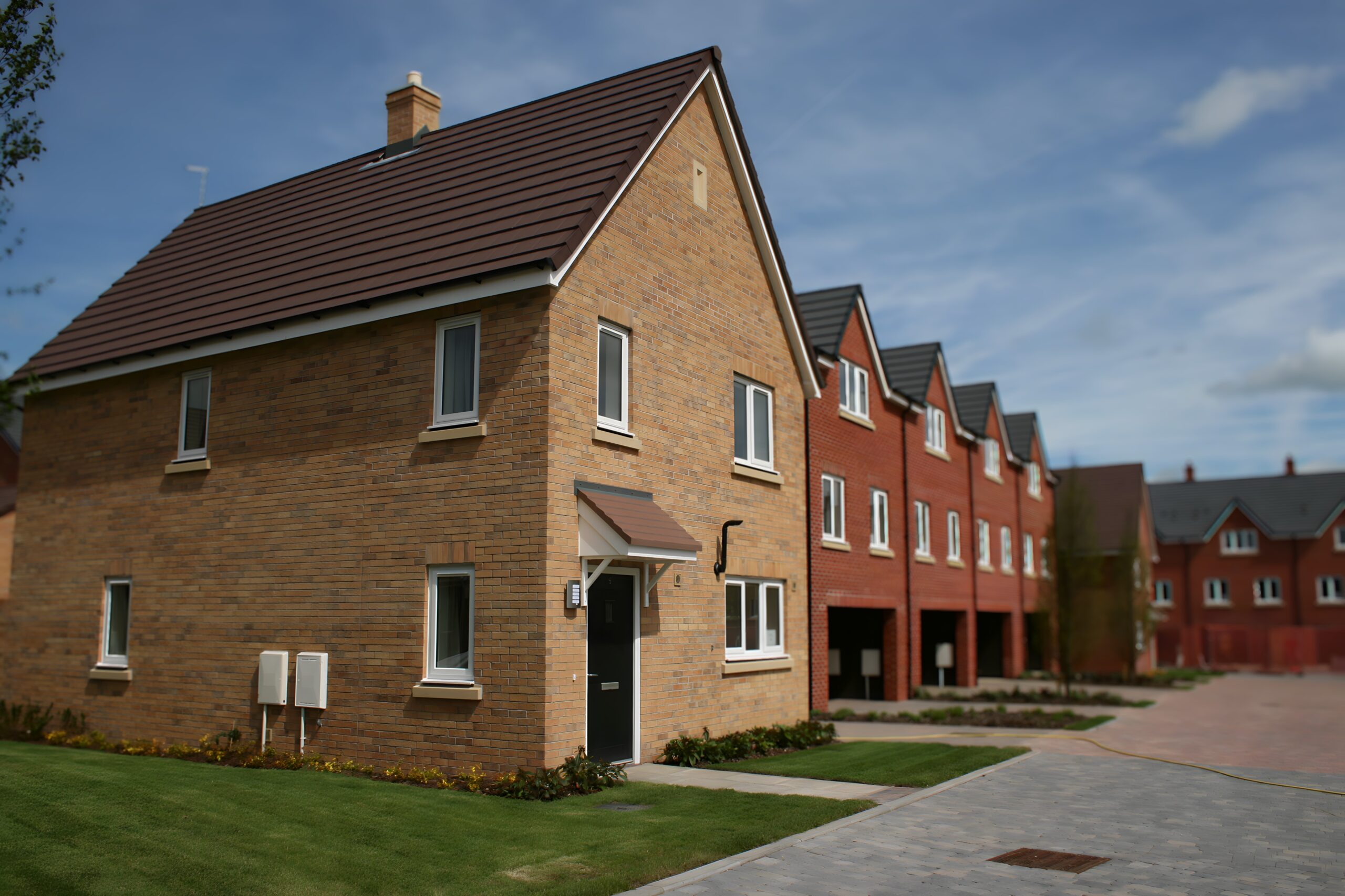
Confidence that the Ministry of Defence can become the property developer needed to fix forces homes “stretches credulity”, after MPs found it lacks the skills for its £9 billion housing strategy and has deferred £0.8 billion of it, according to the Public Accounts Committee.
In a report published on Friday, the committee said it was not convinced the department fully appreciates the gravity of conditions for service personnel and their families, nor that it has “a firm grip on the scale, complexity and urgency of what lies ahead.” The department estimates that nine in ten military homes need modernisation and told the inquiry it has “the wrong houses of the wrong size and the wrong shape in the wrong place.”
The report states: “Despite being the third largest housing provider in the UK, the Department severely lacks the skills and expertise it will need to successfully implement a housing strategy of this size and complexity.” It adds that good people used to working at scale will be hard to find and that “there remains a considerable risk that property provision and management on this scale could go badly wrong.”
The committee was also concerned by “the lack of transparency regarding the Strategy’s funding profile”, saying it was unclear against which baseline the £0.8 billion reduction was measured and how housing funding in the Defence Investment Plan related to the £9 billion announced for the strategy.
The report says: “The Department has subsequently told us that the budget for SFA is around £3 billion in the current Parliament and £6 billion in the next, and that it is working through the impact of the deferral of the £0.8 billion on its plans.” It added that guaranteed and consistent funding will be important, “but the Department has already had to defer £0.8 billion of expenditure it had originally planned to deliver its Defence Housing Strategy”.
Sir Geoffrey Clifton-Brown MP, Chair of the Public Accounts Committee, said: “The sale in 1996 of the service family accommodation estate to Annington Homes was a £14.5bn disaster for the taxpayer. The decision to farm out the estate’s maintenance for short-term gain is at the root of the appalling housing conditions that our service men, women and their families have had to put up with, and our report makes clear that this happened in part due to a lack of financial expertise on the part of government. We therefore congratulate the MoD for finally getting out of this poor deal, which was carried out with all the skill of civil servants working at their best.
The government must therefore be alive to the fact that it now has on its hands a gigantic estate that needs all the skills of a major property developer to bring to an acceptable condition for its occupants – skills which, with the best will in the world, the MoD currently does not possess. A lack of expertise was what brought the MoD to this pass in the first place as part of the original terrible deal – a lack of expertise must not lead to it letting down another generation of service men and women for a second time. This is the third time our Committee has scrutinised this state of affairs since the original deal was struck. We do not want to be here again.
We therefore sincerely hope the recommendations in our report assist the MoD in delivering its Defence Housing Strategy. Those who make this housing their homes, as part of their service to our nation, deserve no less.”
The department says satisfaction with military homes reached 75% of families in June 2026, up 12 percentage points, but the National Audit Office found satisfaction with service family accommodation was 51% in 2025, and the latest Tri-Service Armed Forces Continuous Attitude Survey puts satisfaction with maintenance at 39%. The committee called that “unacceptably low”, warning it will affect recruitment and retention.
The department told MPs it refurbished 1,250 homes in 2025 and cut active home quality complaints from 4,200 in November 2022 to 60 in July 2026. The committee said the Defence Infrastructure Organisation’s chief executive has tackled problems such as mould and damp since 2022, but noted the department still carries out around 250,000 repair tasks a year and most of the estate fails energy efficiency standards.
The department estimates around 1,000 substantial improvements a year, expected to double over time, with 10,000 to 15,000 properties ready for move-in each year. The committee said there was little detail on when families could expect to benefit.
The committee recommends that the department set military housing standards reflecting the quality personnel and families should expect and routinely publish the proportion of homes that meet them. It also wants a published delivery plan with performance metrics, annual targets and milestones, any changes affecting deliverability reported to Parliament, and an explanation of how the department will recruit property professionals with legal, architectural, surveying, planning, commercial and agency skills.
The new Defence Housing Service, an arm’s-length body intended to be operational by 1 April 2027, is the department’s answer to the skills gap. The committee warned that without the right expertise it risks engaging ineffectively with the private sector, losing external financing and “ultimately jeopardising the recruitment and retention of armed forces personnel.”
The committee also questioned the department’s plan to support the development of more than 100,000 homes on defence land. The department told MPs its plans do not overlap wider government work to house asylum seekers and people arriving through resettlement schemes, but the report states that “it acknowledged that the eventual use of homes built on defence land will depend on policy decisions taken at the time.”
MPs asked the department to explain, in its formal response, how it will balance releasing land against future military needs, how it will partner with the private sector to deliver the homes and whether its plans overlap asylum and resettlement housing. The department said it would use a partnership model and does not intend to compete with private developers.
The committee was more generous about the 2024 buyback of the estate from Annington Homes for £6 billion, against Annington’s own valuation of £10 billion, which it attributed to court victories, rent negotiations, a change in lease accounting rules and “the skilful work of civil servants and others.” It wants lessons from both the 1996 sale and the repurchase shared across government within six months.
The National Audit Office found in June that the department was about £14.5 billion worse off for having sold 57,400 homes in 1996 for around £1.66 billion and leased them back, as we reported at the time, and that the department lacked the expertise and capacity to deliver the strategy. Gareth Davies, head of the NAO, called it “a cautionary tale about the risks to long-term value for money”.
The deferral is part of a wider budget shift made during the Defence Investment Plan. Defence Secretary Wes Streeting told the Defence Committee in October that more than £1 billion had been moved out of the housing budget on his predecessor’s watch, saying: “I am not comfortable with that choice.” He added: “You cannot pretend that, by backloading, you are still able to deliver the same.”
The Defence Housing Strategy was launched in November 2025 to modernise or rebuild more than 40,000 homes over a decade. John Healey, then Defence Secretary, said at the time: “We can’t fix forces housing overnight, but this effort is already underway and will now accelerate.” The Armed Forces Bill puts the Defence Housing Service into law, though MPs this week rejected a legal minimum standard for troops’ barracks.
The strategy also promised a Defence Development Fund to reinvest land sale proceeds into housing and priority access for personnel and veterans to new homes on former defence sites. The government has since set out a timeline for the overhaul and said private finance for the estate would be studied.