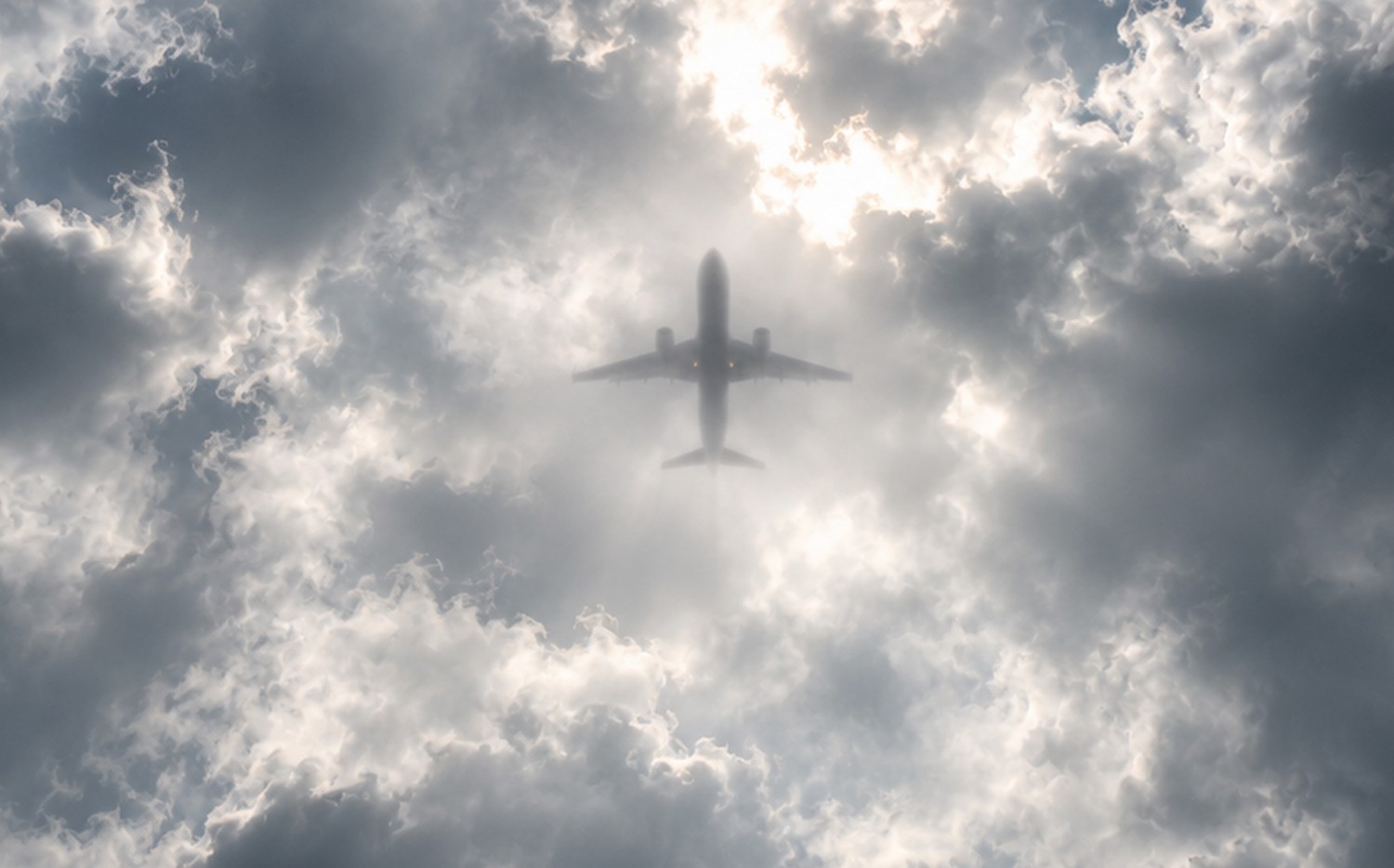
The German Air Force’s Airbus A319 OH observation aircraft flew over Wales and much of England from Glasgow Prestwick on Wednesday under the Treaty on Open Skies, according to an aviation notice published by NATS.
The notice to airmen, H7773/26, reads: “OPEN SKIES. OP COCKAIGNE 1/26. OPEN SKIES OVERFLIGHT AIRSPACE COORDINATION NOTICE 2026-10675 REFERS.”
Issued at 13:42 GMT on Tuesday and valid from 11:15 to 14:30 GMT on Wednesday, it described “A SINGLE ACFT, CALLSIGN OPEN SKIES (OSY) 16F” flying between FL100 and FL120, roughly 10,000 to 12,000 feet, through 18 waypoints until 14:21 GMT. It listed Swanwick Military as the point of contact and carried the military activity reference AR-2026-10675/01.
The planned route ran south from Prestwick over Walney near Barrow-in-Furness, along the North Wales coast and over western Anglesey, then across Chester, Merseyside, Greater Manchester and Cheshire. It continued south over Warwickshire to the Salisbury and Portsmouth areas, before turning north over Northamptonshire and Cambridgeshire to the Coningsby and Lincoln areas, North Yorkshire and finally the Sunderland area. The waypoints were scheduled points, not a record of the aircraft’s actual track, and the notice did not identify which sites were to be imaged.
Germany’s A319 OH takes its name from Offener Himmel, the German term for Open Skies. The aircraft is an A319CJ converted by Lufthansa Technik and carries electro-optical sensors, a digital camera and an infrared sensor. It is flown by the Federal Ministry of Defence’s Special Air Mission Wing, with mission crews from the Bundeswehr Verification Centre, according to the German defence ministry, which describes it as the most modern and capable Open Skies aircraft among the treaty’s parties. A team of 55 inspectors certified the aircraft at Cologne-Wahn in 2022, about three years after it entered service, Europäische Sicherheit & Technik reported. Germany had no observation aircraft of its own between the loss of its Tu-154 in 1997 and the A319’s arrival, relying on Sweden and Romania.
The Treaty on Open Skies entered into force in 2002 and lets each party fly a set number of unarmed observation flights a year over other parties’ territory. Representatives of both the observing and observed states fly on board. Article IV of the treaty limits aircraft to optical cameras, video cameras, infra-red line-scanning devices and sideways-looking synthetic aperture radar, and caps optical imagery at “a ground resolution of no better than 30 centimetres”, according to the treaty text. Aircraft and sensors must be certified before use, and other parties can take part in that certification. The United States left the treaty in 2020 and Russia in 2021, and 32 states parties remain, according to the German defence ministry.
Britain’s Open Skies team belongs to the Joint Arms Control Implementation Group, founded in 1990, and flies aboard partner nations’ certified aircraft. In February 2024, the group hosted an inbound mission with Romania and France, flying three sorties over two days from RAF Brize Norton to keep procedures and airspace agencies in practice, according to Strategic Command, which said: “For the first time since 2021, there has been Open Skies operational activity over the UK.” Strategic Command said the February flights were intended to “better maintain operational preparedness and preserve knowledge of Open Skies procedures”, and that the British team flies aboard partner aircraft “equipped with certified sensors to collect imagery of Treaty signatories”. The team had covered more than 2,000 kilometres of terrain in the preceding year.
British personnel have flown on the German aircraft this year. In June, Spain’s Defence Staff said British, German, Swedish and Spanish verification teams took part in an Open Skies training flight over Canada, stating: “The German observation aircraft AIRBUS A319 OH was used for this flight”, according to the Spanish Defence Staff. Canadian personnel inspected the aircraft and its sensors before departure and flew with the team, and the imagery was processed with German equipment in Halifax. The Spanish statement said the treaty now relies mainly on the German A319 and Romania’s An-30, “both equipped with digital sensors.”
Before Russia’s withdrawal, Russian observation aircraft regularly flew the treaty over Britain from RAF Brize Norton with RAF personnel on board, on routes pre-approved by the Ministry of Defence and the RAF, as we reported in 2016.
We have contacted the Ministry of Defence for comment on the purpose of the flight and which nations took part.