

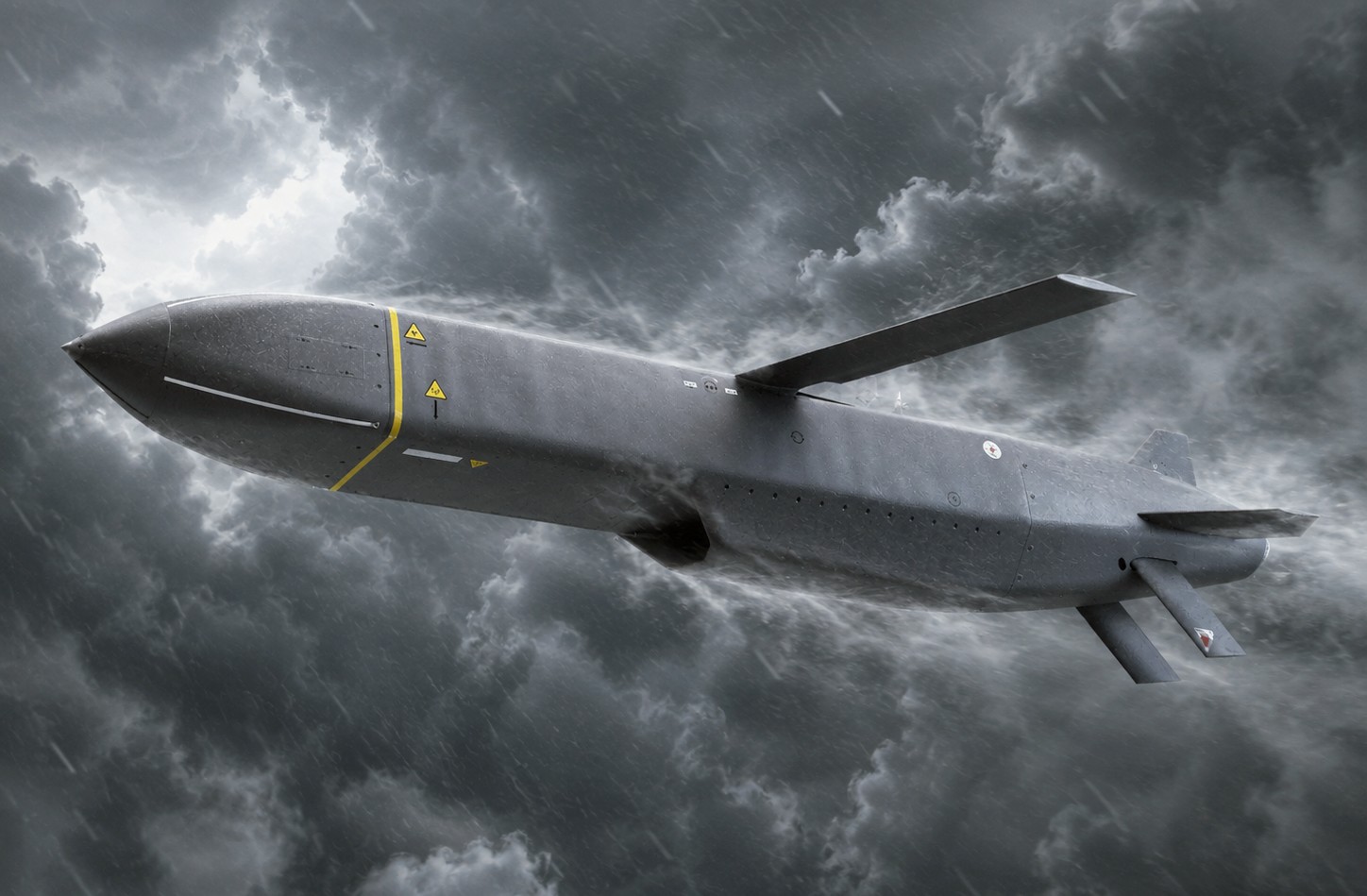
Money set aside for new-build Storm Shadow cruise missiles was redirected to low-cost mass munitions that can be manufactured in Britain, Air Marshal Tim Jones, Deputy Chief of the Defence Staff for Force Development, told the Defence Committee.
Asked by Liberal Democrat MP Mike Martin whether money should move from capital to day-to-day spending to boost readiness, Jones said the Defence Investment Plan asked where to spend the marginal pound to add most value to NATO and to alter Russia’s risk calculations. He said: “So munitions is a good example of that. So we had a large amount of money set aside for the Storm Shadow new build. It was a really tough decision, but it was a trade-off that we thought was necessary to make”.
He said the department had “far too much of a proportion of our defence budget being spent on high-end, complex munitions, really important in their own right. I mean, the Storm Shadow is a fantastic, fantastically capable piece of equipment, and we will continue to use it.” The aim, he said, was to spend that money “on low-cost mass munitions, the kind of things you’re seeing being fielded in Ukraine, and that can be manufactured in this country.”
Jones also set out the plan’s main investment lines, telling MPs: “there’s 5 billion on autonomy, 11 billion on munitions, 7.3 billion on digital targeting and digital backbone, underwater warfare, including a huge amount of autonomy, 1.2 billion”. He said: “How we will fight is changing, and it’s how you get the blend of those two things together that makes for the effective force of the future.”
When the Defence Investment Plan was published on 30 June, it set out a shift away from Storm Shadow towards a new generation of cheaper cruise missiles alongside STRATUS for the hardest targets, the UK Defence Journal reported. A Ministry of Defence official said a low-cost strike weapon called Brakestop “very well could be in our inventory very soon”.
MBDA restarted Storm Shadow production in 2025, fifteen years after the last order, partly to keep Ukraine supplied, according to the same report.
In October, Luke Pollard, Minister for Defence Readiness and Industry, said Storm Shadow would stay in service “for the foreseeable future” and that the plan commits £1.4 billion to STRATUS, according to UK Defence Journal reporting. In a separate answer, he said the department is “continuing to alter the balance of expensive complex weapons with emerging cheaper alternatives.”
BAE Systems this month opened a fully automated melt-cast explosive filling facility at Glascoed in South Wales, part of a £180 million investment to raise 155mm shell production capacity sixteen-fold. In August, figures showed jobs supported by defence spending on weapons and ammunition rose 51% in 2024-25 to 5,900, the UK Defence Journal reported.










I wonder what this means for the likes of Stratus.
Critically important to our future navy if you ask me, but it’s hard to imagine a world where we buy enough of them to sustain a serious fight.