

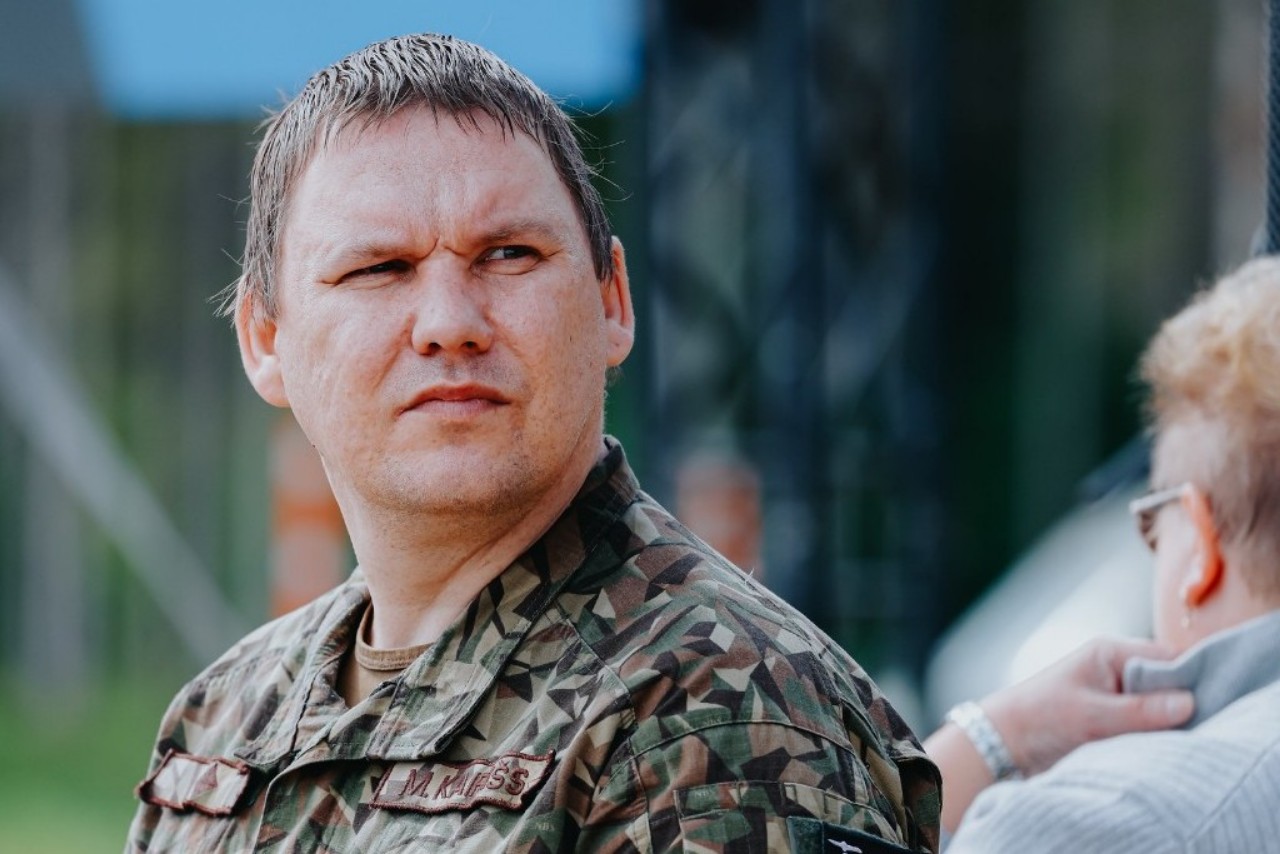
Speaking at a press briefing ahead of the Drone Summit in Riga, Kairišs outlined the work of Latvia’s Autonomous Systems Competence Centre, which serves as both a national drone procurement body and the host of NATO’s counter-UAS innovation range at the Sēlija Military Training Area. The centre operates under the Latvian Ministry of Defence and holds a special governmental permission for fast-track procurement, bypassing standard public procurement timelines given the pace of drone technology development and the current security environment.
Kairišs said the centre’s testing approach has exposed a significant gap between what European electronic warfare companies are producing and what is needed on a modern battlefield. In the first round of testing at the range, more than 90 percent of electronic warfare solutions failed against heavily modified battlefield drones using non-standard frequencies and frequency hopping, rather than the commercial drones many companies had designed their systems to defeat.
A number of electronic warfare firms subsequently declined to participate in the second round of testing, concerned about reputational exposure. Kairišs said this reflected a misunderstanding of the range’s purpose. “This is a place where you can improve your products, not to sell the products,” he said, adding that companies should come to the innovation range to develop capability, not to market it.
He warned of a growing and underappreciated threat from the proliferation of drone operators with frontline combat experience. With an estimated 70,000 to 80,000 drone operators currently fighting in Ukraine on both sides, Kairišs said history suggests a small percentage will not return to peaceful civilian life after the conflict ends, and some may engage in criminal or terrorist activity using skills acquired on the battlefield. He pointed to South American narco cartels already deploying FPV drones, with some reportedly sending volunteers to fight in Ukraine before returning with combat drone experience. “For counter drone systems, if you fail once, it will collapse” he said, noting that a drone operator only needs to succeed once while defenders must succeed every time.
On industrial production, Kairišs argued that Europe and NATO need to find a middle path between Ukraine’s cheap, expendable mass-production model and the expensive, over-engineered products that dominate Western defence catalogues. He said the goal is to combine the best of Ukrainian production experience with NATO standards compliance, producing drones that can be stored, transported and sustained in the field. He attributed the current overpricing of Western drone products in part to defence companies having expanded sales departments and shrunk manufacturing capacity since the Cold War. “We need to get back to mass production, and this is very much how we can survive,” he said.
Kairišs also said the key to keeping pace with rapid technological change is ensuring that the components most likely to evolve quickly, such as radio links, software and sensors, are modular and easily replaceable, while frames, motors and other stable components remain consistent.
The Sēlija range currently operates with a streamlined regulatory framework following a political decision granting exemption from standard airspace and electronic warfare testing restrictions, allowing testing to be arranged within days rather than the months required in some other European countries. Five testing campaigns are planned at the site in 2026, in March, May, July, September and November, making it the most active of NATO’s innovation ranges.










I’ve gained $17,240 only within four weeks by comfortably working part-time from home. Immediately when I had lost my last business, I was very troubled and thankfully I’ve located this project now in this way I’m in a position to receive thousand USD directly from home. Each individual certainly can do this easy work & make more greenbacks online by visiting
following website—.,.,.,.,.—>>> JobatHome1.Com