

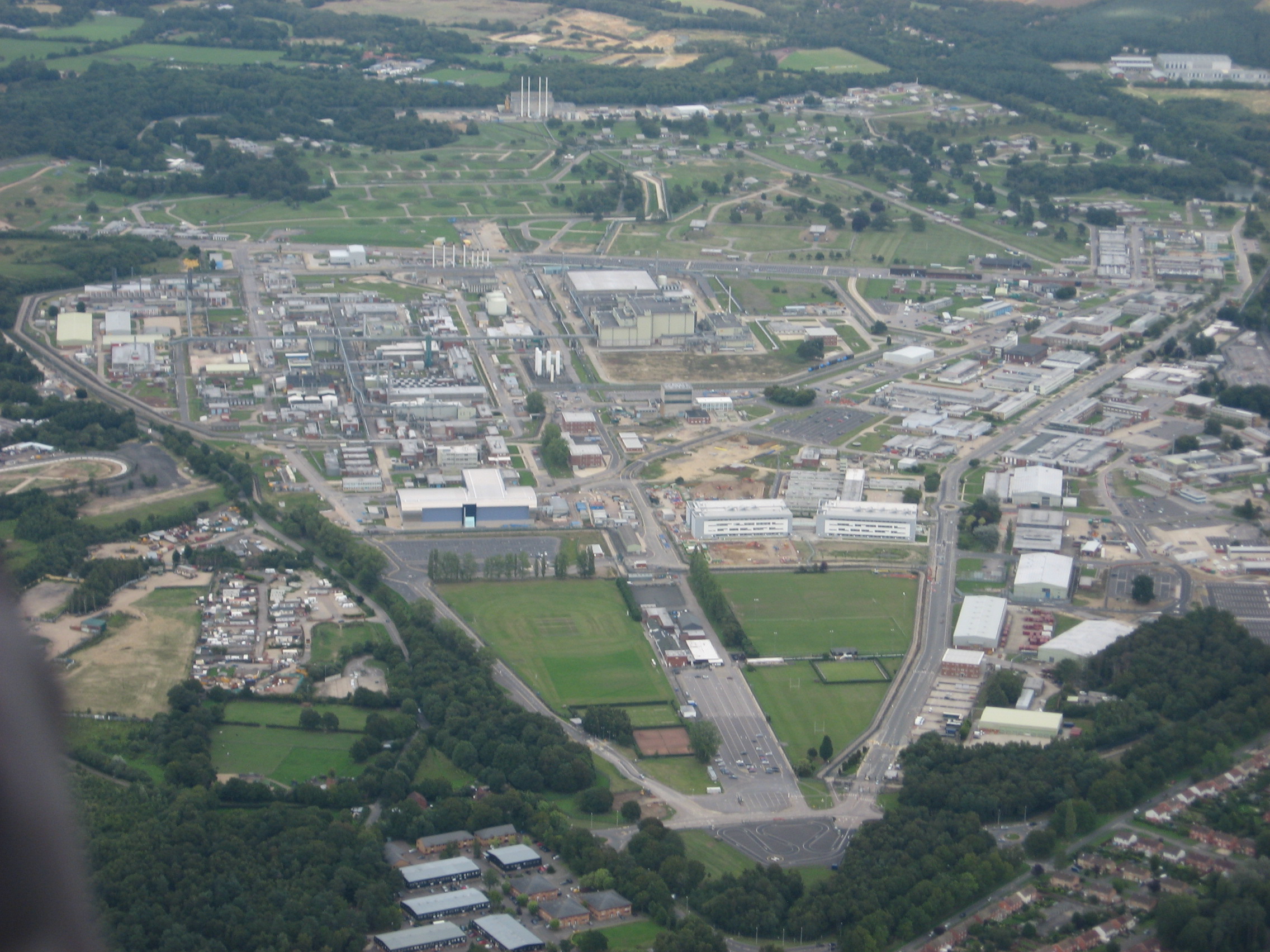
The Ministry of Defence failed to maintain accounting records supporting more than £6 billion of assets in its 2024-25 accounts, an error the Public Accounts Committee has described as completely unacceptable, the UK Defence Journal understands.
In its report on the department’s accounts, the committee said it was “completely unacceptable that the Department failed to maintain accounting records to support more than £6 billion of assets” included in its 2024-25 figures. The Comptroller and Auditor General, the head of the National Audit Office, had concluded the accounts “did not provide a true and fair representation of its financial position”. The cause was the misclassification of historic spending by the Atomic Weapons Establishment, some of it dating back to 2007, as expenditure that had resulted in the development of infrastructure.
The problem arose, the committee said, because the department did not accurately reflect the costs of the establishment’s asset management programmes on its own balance sheet. “About 85% of the overstatement was due to early-stage feasibility work being capitalised,” the report said, and the department is likely to write off some of those costs. The department had identified weaknesses in its controls that it needed to put right.
The committee was unconvinced by the department’s focus on the sheer complexity and scale of its spending. That emphasis, it said, “only highlights the importance of it having effective controls and processes in place across all its activities, which it tests regularly to ensure they continue to fulfil their purpose”.
Sir Geoffrey Clifton-Brown, the committee’s chair, set the accounting failure alongside the wider concern about nuclear spending. He spoke of “a completely unacceptable £6bn accounting muddle around the Atomic Weapons Establishment”, welcoming the prospect of stronger scrutiny so that the public could have greater confidence their money was being spent wisely.
The committee’s recommendation set the department three tasks. It should explain what additional checks it had put in place so that its Accounting Officer was assured that all balances in the 2025-26 financial statements presented to the National Audit Office “were supported by appropriate accounting records and complied with accounting policies”, and how it would ensure those assurance processes “continue to work as intended in future years”. It should also confirm to the committee in writing “how much of the costs it has written off, as soon as it has agreed the amount”.
The committee’s findings point less to money lost than to a breakdown in the controls needed to record it correctly, the kind of failure that, in an organisation of the department’s size, it argued should not occur.










Another 6 T26’s there then.
Might even be able to get 7.
Since the Atomic Weapons Establishment Aldermaston has a perfectly good SAP ERP system for Purchasing, Plant Maintenance and Finance management there is no reason why their accounts can not be compliant with Accounting Standards just like the rest of the SAP user base of FTSE-100 and Fortune-500 companies are.
The SAP Project System module provides the functionality to account for investment projects and so to be able to Capitalise that expenditure for tax purposes. Standard functionality out of the box. So why aren’t AWE using that supported by their chosen ERP support provider Capgemini?
When AWE knows that they will do many capital projects and already have the tool able to administer that correctly as standard, how could any of those projects start without the tool implemented and staff trained to use it correctly?
That makes no sense and doesn’t need to wait for NAO to state the obvious as any qualified Accountant does know how capital projects must be recorded and controlled. It’s basic accounting.
Similarly the tax treatment for capital projects are well known and published by HMRC so that tax advisors to AWE would have no difficulty making that known. There’s no opt out for public sector nor defence secret projects.
Such willful neglect is indistinguishable from corruption and must be dealt with by sanctions of those responsible.
Absolutely spot on. Am glad to see an industry expert express the truth in the public domain.
I note also that David Lammy insists that Labour is committed to spending £270bn through the whole of this parliament. It appears he is unaware that is simply £54bn per year for an assumed 5 years term – God help us! The present budget for defence is £65bn and even that is totally inmadequate.
We are in the same position as the UK found herself in 1937.
Well done Sir,
This is shocking normally a f up of this level “just goes away” haha.
Someone’s been inventing TLAs (three letter acronyms) and telling people if they don’t know what they mean they “aren’t on the list” again. Not something I’d never do… 😉
A90, A91, A45 in the centre of photo, which is looking north east, in high security double fenced compounds.
Try getting in there.
Correction, A45 I think is to the left nearer the trees.