

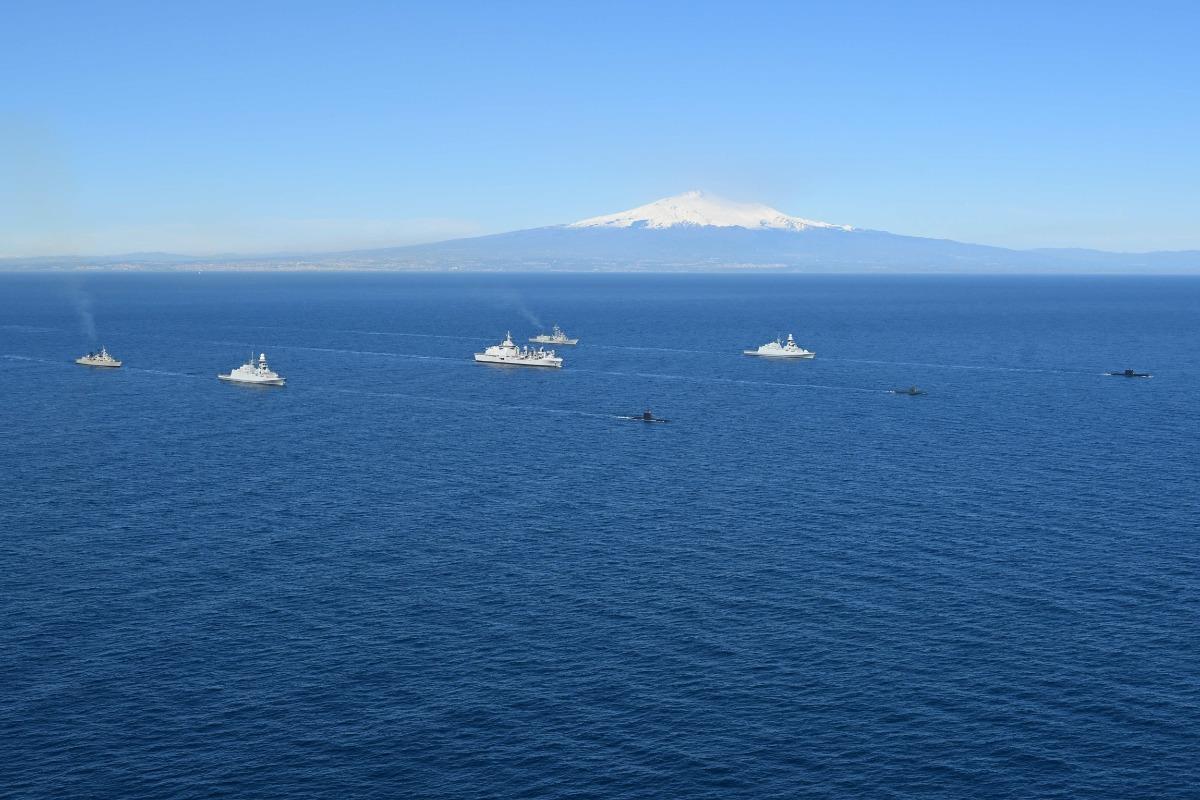
NATO has concluded its largest annual anti-submarine warfare exercise, Dynamic Manta 2026, after a period of multinational training in the central Mediterranean Sea aimed at strengthening the Alliance’s ability to detect and counter submarine threats.
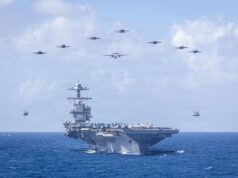
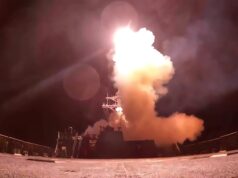
The exercise, led by NATO’s Allied Maritime Command (MARCOM), brought together submarines, surface warships and maritime patrol aircraft from across the Alliance to practise coordinated operations in one of NATO’s most strategically important maritime regions. Forces trained in submarine hunting, maritime patrol and complex manoeuvre operations designed to test interoperability between allied navies.
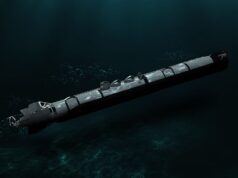
Submarines and surface vessels operated in a realistic operational environment, with submarines alternating between hunting and evasion while working alongside surface ships and maritime patrol aircraft. The drills also included tactical communications and coordinated manoeuvres intended to refine how allied forces operate together in contested maritime environments.
Rear Admiral Bret Grabbe, Commander of NATO Submarines, said the exercise demonstrated the Alliance’s ability to operate across multiple domains. “Dynamic Manta 2026 demonstrated the strength of NATO’s maritime forces and our ongoing commitment to safeguarding the undersea domain. Anti-submarine warfare involves a range of assets, including maritime patrol aircraft, ships with sonar, and submarines. Thanks to exercises like this, NATO has developed a highly advanced capability to neutralize submerged threats.”
Standing NATO Maritime Group 2 also took part in the exercise. Its commander, Italian Navy Rear Admiral Cristian Nardone, highlighted the importance of cooperation among allied fleets. “The Mediterranean is a key strategic basin for NATO. Interoperability among Allied navies is essential, and Dynamic Manta is vital for maintaining operational readiness and testing technologies, tactics, procedures and communications,” he said. “All the Allies involved in the exercise have shown commitment, dedication and the will to stand together to ensure collective defence.”
The exercise involved seven surface ships, 12 aircraft and more than 1,600 personnel from 11 NATO countries including Canada, France, Germany, Greece, Italy, the Netherlands, Portugal, Spain, Türkiye, the United Kingdom and the United States.
NATO said the exercise improved coordination between naval and air forces and reinforced the Alliance’s readiness to respond to emerging maritime security threats in strategically important waters.


It does seem that so much of our capability is taken up by training exercises now. Apparently the navy wanted to send Dauntless to the eastern Mediterranean but the government thought it was more important she be on a training exercise with France.
The tempo and number of the training exercises seem to increase while the fleet gets smaller.
Fancy that the Navy wanted to use a warship on actual operations but our govt decided training was more important!
which begs the question: why does one need to send a Type 45 to a sub hunting exercise?
It might suggest some sub hunting capabilities?
Dauntless has done PiP so can run on the new diesels without the GTs and on IEP should be quiet at low speeds.
The new DGUs are almost certainly in enclosures and probably rafted so will be massively quieter.
A lot of available time has always been taken up with training exercises because they’re essential if you want to sustain a capability. That is one of the reasons that three hulls are typically required to ensure that one is available for operations at short notice (and why we urgently need many more escorts than we currently have).
Well if you are working to rule of three
1 – maintenance
2 – working up
3 – deployed
As much as RN push synthetic training you do have to fully test that systems work properly after being fixed/calibrated/drenched with oggin.