

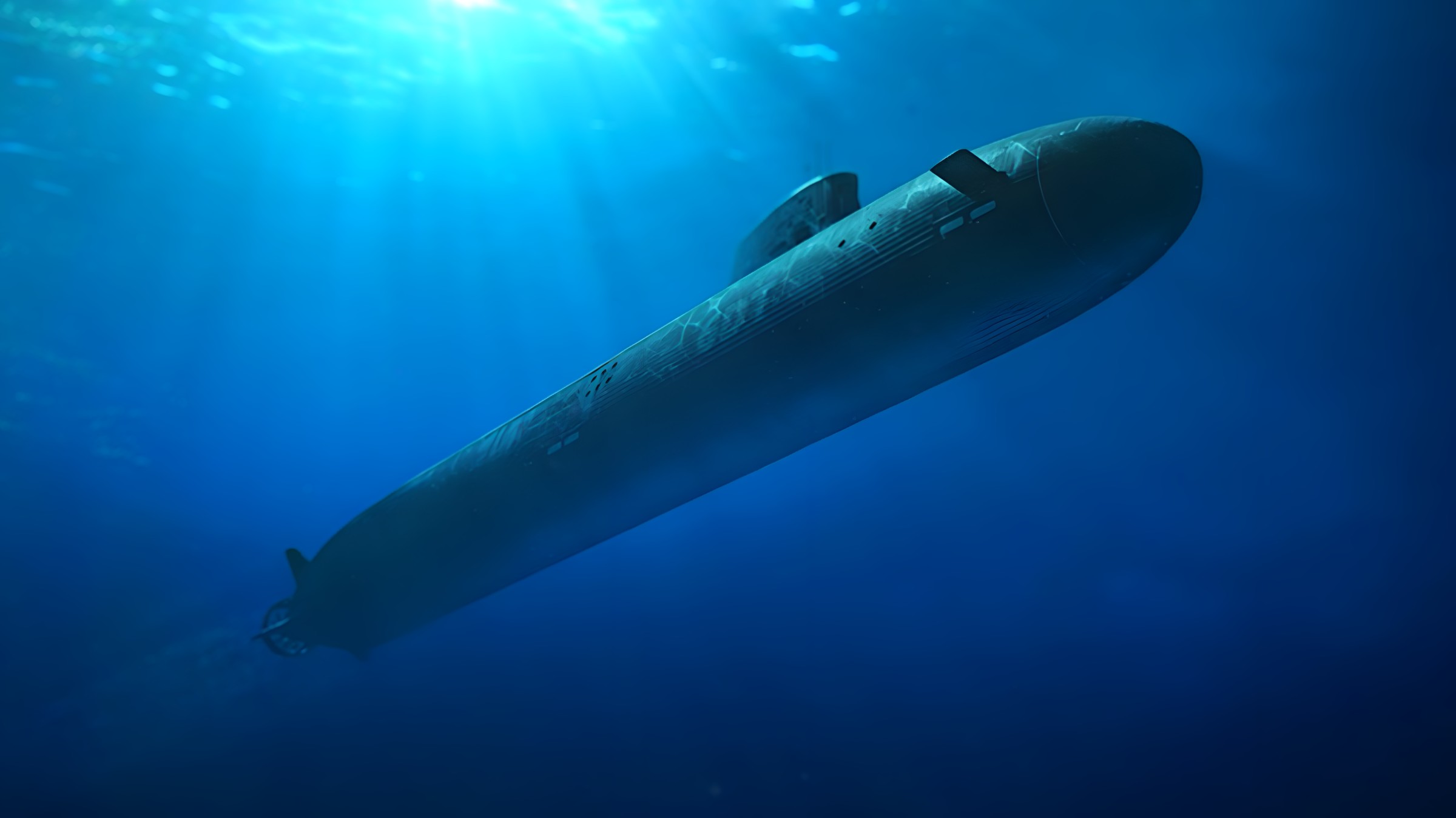
A new House of Commons committee appointed by the Prime Minister is to be established to scrutinise expenditure and programmes across the Defence Nuclear Enterprise, according to the annual update to Parliament published this week.
The commitment appears among the recommendations of the Strategic Defence Review on which Wes Streeting reports progress, and the update describes the intention as providing “the public with the confidence that taxpayer money is being spent wisely on this critical area”. The Defence Secretary writes that the department is “working with Parliament to establish a new House of Commons-only Committee, appointed by the Prime Minister, to conduct scrutiny of DNE expenditure and programmes”.
The sums involved explain the level of parliamentary interest, given that the enterprise spent £12 billion in the 2025/26 financial year, projects spend of over £100 billion through British suppliers over the next ten years, and will receive in excess of £20 billion more between 2026/27 and 2029/30 than across the previous four years.
It also operates under a ring-fenced budget with greater delegated spending authority than before, an arrangement the update says enables faster decision making and a stronger focus on outcomes and delivery, and which places a considerable volume of public money outside the normal departmental approval chains.
Two further Strategic Defence Review recommendations are reported as progressing, the first of which covers increasing industrial productivity by removing barriers and investing in the people and places supporting the enterprise, which the update says includes amendment of the Single Source Contract Regulations, implementation of John Fingleton’s review of nuclear regulation, investment in Team Barrow and Team Plymouth, and delivery of the Skills Plan.
The second concerns Britain joining NATO’s dual capable aircraft nuclear mission once F-35A aircraft have been delivered, a decision the update says will complement the operationally independent deterrent.
On regulation, the Fingleton review has already appeared in ministerial answers elsewhere. Luke Pollard told Parliament this month that the department is exploring opportunities arising from it to accelerate work on 10 and 14 Dock at Devonport, where the recommissioning of 14 Dock is intended to allow legacy submarine defuelling operations to resume. The update records that the enterprise has worked under the Chief of Defence Nuclear to break down silos, strengthen delivery and ensure greater integration between its programmes, with the rest of the department and with wider government, as part of Defence Reform.
Mr Streeting writes that the success of what the government calls the National Endeavour “requires a strong Defence, one that strives for greater efficiency, value for money, and reduced duplication”.
The enterprise brings together the Defence Nuclear Organisation within the Ministry of Defence, the Royal Navy, Cyber and Specialist Operations Command, and AWE Nuclear Security Technologies.






We’ve been seeing nothing more than reviews and reforms for weeks. Now we ‘re going to get a new committee. JOY.
Not sure how this will do anything positive the biggest driver to cost is government themselves, scope creep , reduced orders leading to loss of manufacturing capability, it must be a nightmare to plan ahead,
Get rid of all these reviews save a fortune
I don’t think the parliamentary committees are a bad thing. They tend to be manned by sensible pragmatic individuals, however I would like to see them have some real teeth to force the government if necessary.
You have got to think this is with a view to cuts. Any Govt review to verify “money is spent wisely” is ultimately the kiss of death. The budget might be currently be “ringfenced” but I’m sure that would change quickly enough if the Govt found ways to add a few more billion to the Union Payroll or welfare budget. It will start with just how many warheads do we really need? After that …..
… trying to work out how much more money they need to pump into it.
The amount of money being earmarked for defence nuclear.has soared into the stratosphere. The total needed to end FY 2033/34 is £128 bn, or average £14bn a year. The MOD says cheerfully that defence nuclear will account for 20-25% of the defence budget. What it doesn’t say is that will gobble up half of the services’ entire procurement funds.
If we wonder why procurement of new kit like Sky Sabre, GMLRS, etc., is like watching grass grow, it is because so much of the kitty is being swiped to pay for perhaps 16 nuclear-powered submarines and the sacred (at least in Whitehall circles) independent deterrent. The knock-on effect is that procurement of everything else is being slowed down and spread over much longer timetables, to fit what the MOD can afford to spend per year.
So parliamentary scrutiny of defence nuclear is no bad thing, given that the Treasury wouldn’t trust the MOD to go to the corner shop on its own, given its record of routinely under-estimating major project costs and repeatedly coming in miles over budget.
Defence Nuclear certainly needs the money, because previous governments have kicked the can down the road for years. The Vanguards are now passing the 30-year mark and should be being replaced now, not in 8 or more years time. Trident warheads need replaced, a joint programme with the USA. AWE has been run down and needs major investment in staff, equipment and infrastructure. Submarine maintenance staff and infrastucture have been neglected for years, requiring immediate refurbishment
of Devonport and Clyde facilities and recruitment and training of new staff. Another big spend is needed on nuclear fuel. The list goes on.
We can all call for loads more money for defence. The reality is we would need to be spending upwards of 5% of GDP just to equip properly the small forces we have, because so much of the budget is going to the nuclear enterprise. General Barrons said nuclear is eating out defence from the inside. Lord Robertson said, in something of an understatement, that the UK may need to seek a financial contribution from other Euro allies.I think it is becoming palpably clear that, no matter how attached we are to having the supposed security and status of an independent nuclear deterrent, a medium-weight country of Britain’s size and wealth simply cannot afford it, unless we are prepared to double our defence budget.
Which I very much doubt the citizenry would accept.
In some ways this has been long needed – nuclear is just swallowing the Defence budget and even the Service Chiefs question whether we need the bombers – they gobble huge amounts and when Finland and Sweden have been neutral and are still here, do we really need bombers? I would actually go with the Braid and scrap the bombers.
Putting money into conventional defence means deterrence, bombers do not.
Not of caution. Keep Michelle Scrogham out of it, she is useless.