

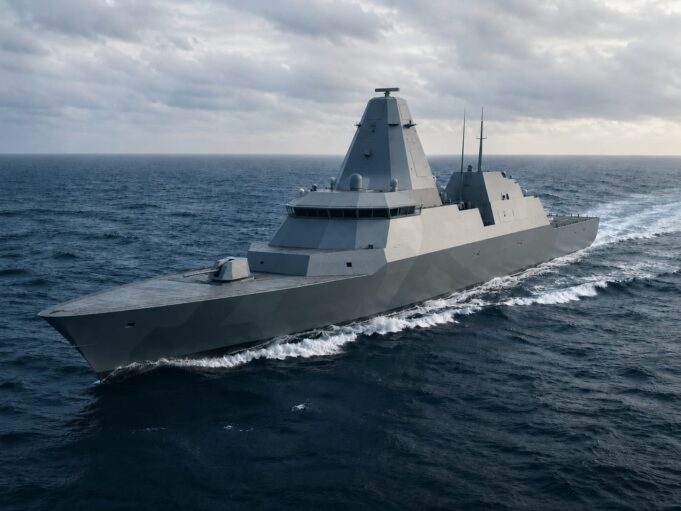
Everyone is furious about the cancelled air defence destroyer, but £1 million over three years tells you it was never being built in the first place argues Jonathan Chartier.
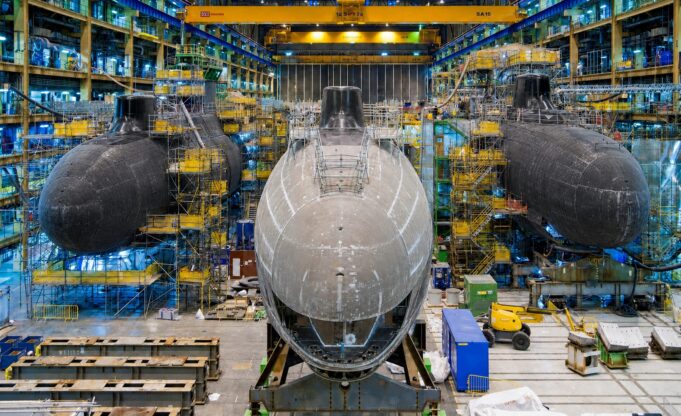
Andy Burnham has inherited a Defence Investment Plan with a funding problem, but it will be judged on how fast capability reaches the front line, writes Angus Fay.

Scotland's justice secretary had already been told the RAF had no waterbombing helicopters in the UK to send, but he asked anyway and then made a point of the refusal, which is not how military aid between two governments is supposed to work.
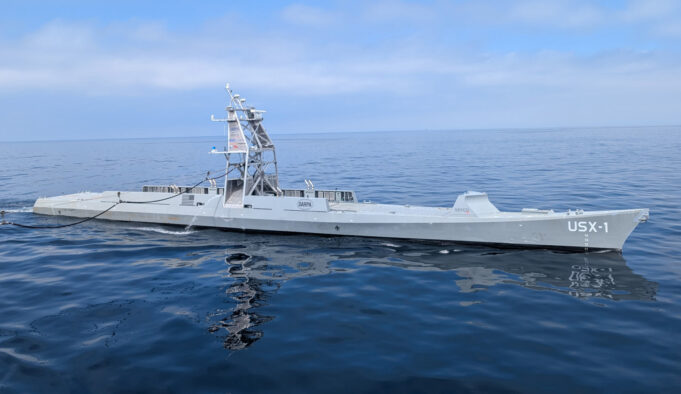
Anthony Kirby, Group Chief Executive of Serco, argues that the race to build effective autonomous naval fleets will be decided by how quickly governments, industry and the military can integrate new technology at scale.
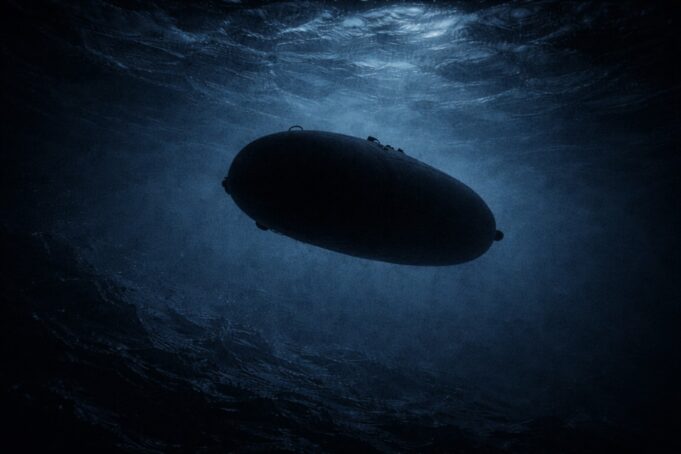
Cables cut in the Baltic, Russian ships over UK pipelines. The underwater battlespace is back, writes Tim O'Neill of BAE Systems, and subsea communications are the weak link.

The Defence Investment Plan funds the drones but hesitates over the spine they depend on, writes Thomas Santini of Lodestar.

Budgets don't build factories, industrial capacity does. As allies sign a new defence bank's Charter next month, Alex Baker MP asks: can Britain afford to stay outside?

Former diplomat Greg Quinn OBE argues the UK can no longer freeload on the US and must spend serious money if it wants to lead on defence rather than follow.
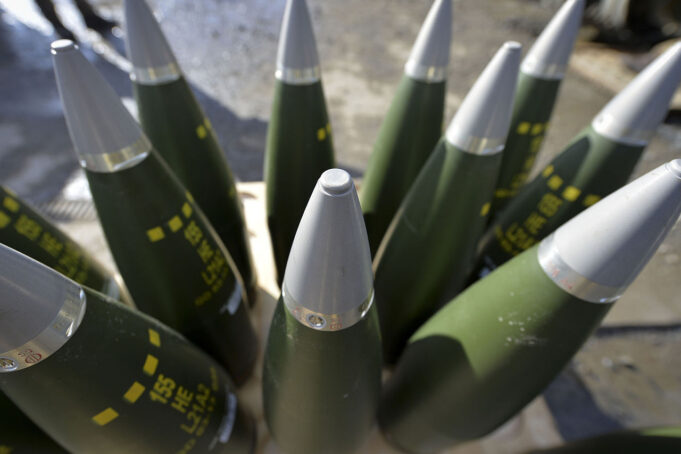
The Defence Investment Plan will be judged on whether Britain can sustain the forces it fields.

In an age of platforms and sensors, Affinity's Iain Chalmers argues that credible air power still rests on the unglamorous fundamentals: disciplined training, airworthiness and well-developed people.
