

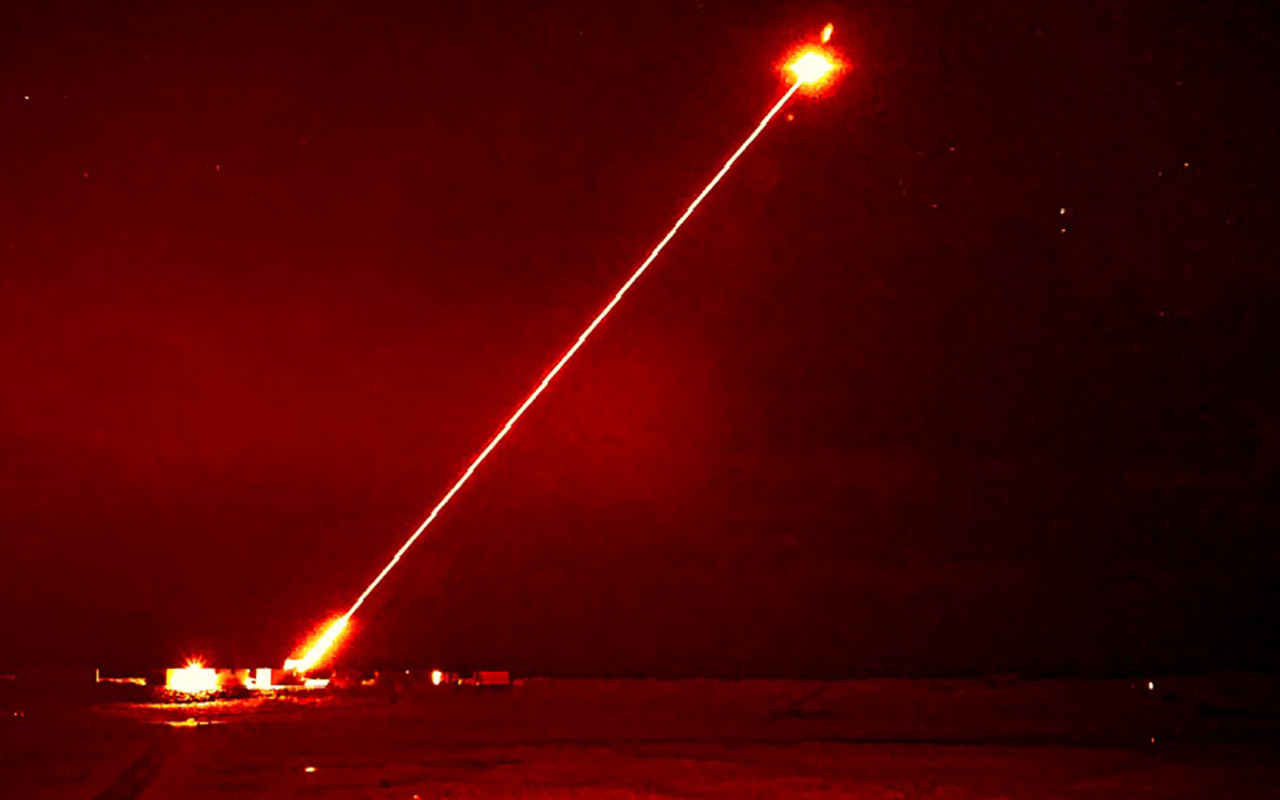
QinetiQ has been awarded a £67 million contract to support the delivery of the UK’s first laser directed energy weapons to Royal Navy platforms, with initial integration planned from 2027, according to the organisation.
The award follows further trials of the DragonFire laser weapon conducted in November at the MOD Hebrides range, which is operated by QinetiQ. After those trials, Defence Minister Luke Pollard announced a £316 million contract to DragonFire industry partnership prime MBDA for the production and delivery of the first DragonFire systems, which are expected to be fitted to Royal Navy ships as an extension of existing air defence arrangements.
Under the new arrangement, MBDA has awarded QinetiQ £67 million as part of the wider DragonFire programme. QinetiQ states that the funding will enable it to continue developing and producing the laser source element of the system, as well as providing expertise related to the safe testing of the capability.
Commenting on the award, QinetiQ Group Chief Executive Officer Steve Wadey said: “We are proud of the vital role we continue to play in delivering Europe’s leading laser weapon technology to our warfighters.” He added: “This contract is a testament to QinetiQ’s expertise in developing, testing and engineering novel and disruptive technologies at pace, and is a welcome milestone as industry and government work together to accelerate the adoption of laser directed energy weapons.”
Qinetiq say that DragonFire-related work is expected to support around 120 QinetiQ jobs, mainly in the west and south of England. The programme also involves more than 100 UK suppliers, including around 50 small and medium-sized enterprises, reflecting the broader industrial footprint of the project.











That should cover the cost of 4 “E-cloths” and a bottle of lens cleaner then.
(It’s early, no-one else is here, just having a bit of fun playing on my own)
I wonder if the deal comes with free tinted lenses?
Even after years of watching military contracts, I still marvel at how £67m can be considered spare change. As soon as we move from testing into milspec production, we go up an order of magnitude.
Drone and instrumented range testing.
Yup and the big question for me that I have yet to see answered is,
How much per unit are these Laser Systems ?
Used to enhance existing defensive systems is all good but at what cost ? how does It compare to Phalanx for example ?
Interesting question though in my mind I will say that Phalanx is headed towards being a weapon of the past while Dragonfire towards a weapon of the future, there is a clear overlap and cost for such a mature system is always going to greatly in its favour and with drones I think Phalanx is probably going to have an extended life now. But even as a gun system I doubt it is going to be arguable it’s the best solution even for its primary role much longer. So my main point is that it’s not really a fair comparison. Many an early technology looked expensive and no better (often even worse) than pre-existing cheaper mature technology, even the jet engine* arguably but one hopes those who understand the guts of the technology more than us are making the right decisions. In the end only real time usage will given even them a true reflection upon that.
* A conscious decision in Britain was made by 1942 that axial flow jet engines would be a technology for post war exploitation only, they saw its potential, continued general development, had them on test beds and even flew them but while seeing them as the future they made the judgement they were not currently the best option. We had the better overall choices be it extremely powerful ICE engines and reliable centrifugal jet engines to choose from (and time of course), the Germans did not have that latter however their programme had failed years previously so were forced in those moments into uncomfortable stark choices. Timing is important.
Oh dear not sure I need the thoughts of you that come to mind after that post.
“On my own” not “With myself” lol.
There’s always one 😁🤦♂️
How many systems do these contracts cover. In other words, how many ships are getting them and when?