

British and US combat aircraft have completed live-fire weapons evaluations during Combat Archer 2026, using more than 120,000 square kilometres of controlled training space around the Hebrides and Aberporth ranges.
RAF and US Air Force combat aircraft have completed a major air-to-air weapons evaluation exercise in the United Kingdom, with Typhoons, F-35s and F-15E Strike Eagles operating against unmanned and towed targets during Combat Archer 2026, according to the company.
The exercise was conducted across MOD Hebrides and MOD Aberporth, both operated by QinetiQ under the Long-Term Partnering Agreement with the Ministry of Defence. According to a QinetiQ news update, it was the first time the two ranges had been used together to support a single defence exercise, allowing the activity to make use of more than 120,000 square kilometres of air and surface space.
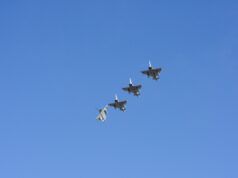
Participating aircraft included British Typhoon fighters, F-35Bs, F-35A Lightning IIs and F-15E Strike Eagles, supported by KC-135 Stratotankers from the US Air Force’s 100th Air Refuelling Wing. The evaluation itself was conducted by the Weapon System Evaluation Program team from the 83rd Fighter Weapons Squadron at Tyndall Air Force Base in Florida, where Combat Archer exercises are normally staged.
Combat Archer is designed to evaluate aircraft, weapons and crews under representative live-fire conditions rather than functioning solely as a conventional training exercise. The event allows participating units to employ weapons against realistic targets while specialists collect performance data from the aircraft, missile systems and supporting range infrastructure.
QinetiQ said its teams supported mission planning, preparation, range operation and specialist technical activity throughout the exercise. Staff at Hebrides and Aberporth were responsible for preparing and managing the large air and maritime operating areas required for live weapons activity while maintaining the safety arrangements needed to support multiple aircraft and target systems.
The exercise also involved QinetiQ teams from both the UK and Germany. A specially equipped PC-12 aircraft, registration D-FRMT, was used for maritime surveillance around the exercise area and to support flight safety before live-fire activity began.
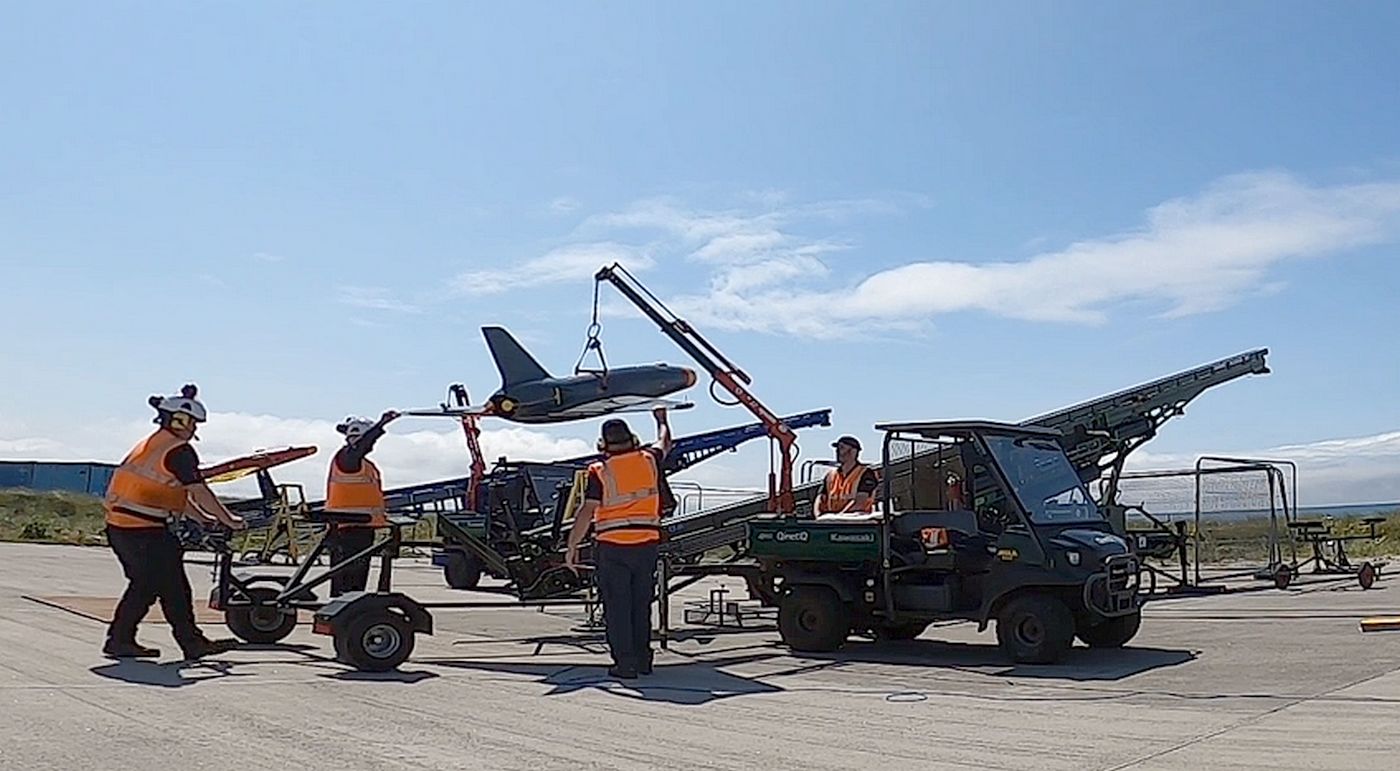
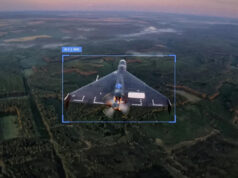
Additional target presentation was provided by a PC-9B aircraft towing targets for participating fighter crews. QinetiQ Target Systems also supplied Banshee Jet 80+ unmanned aerial vehicles, which are designed and manufactured in Ashford, Kent. The combination of expendable unmanned targets and towed systems allowed crews to conduct weapons evaluations against different representative airborne threats.
Lee Rowe, Mission Rehearsal Lead at QinetiQ, said, as quoted in a news update: “Combat Archer 2026 highlights the unique range of capabilities that QinetiQ offers. The expertise of our teams in the United Kingdom and Germany has supported the US Air Force and the Royal Air Force in conducting realistic operational assessments, thereby strengthening interoperability between the air forces of the allies.”
He added: “We conduct complex exercises, thereby creating the necessary safety and reliability to maintain operational readiness and ensure that the armed forces are optimally prepared.”
The participation of the 83rd Fighter Weapons Squadron brought the US Air Force’s established weapons evaluation methodology to British ranges. The squadron’s Weapon System Evaluation Program assesses the effectiveness of aircraft and weapons during live employment, providing information on how crews and systems perform under more demanding conditions than can be reproduced through simulator training alone.
For the RAF, the event also provided an opportunity to train alongside US units operating different fighter types and support aircraft. The combination of Typhoon and Lightning aircraft with F-15Es, US F-35As and KC-135 tankers allowed crews to practise multinational procedures while the weapons evaluation element generated performance data from live activity.
Using Hebrides and Aberporth together was a significant range-management element of the exercise. QinetiQ said the combined area available was roughly equivalent to the size of England, giving planners sufficient space to conduct complex live-fire scenarios while coordinating aircraft, unmanned targets, surveillance assets and supporting range infrastructure.






The US seems to have a lot of practice at this lately. Where have you been?
Busy at your house pal….thank Mrs Spruance for us, good lad.