

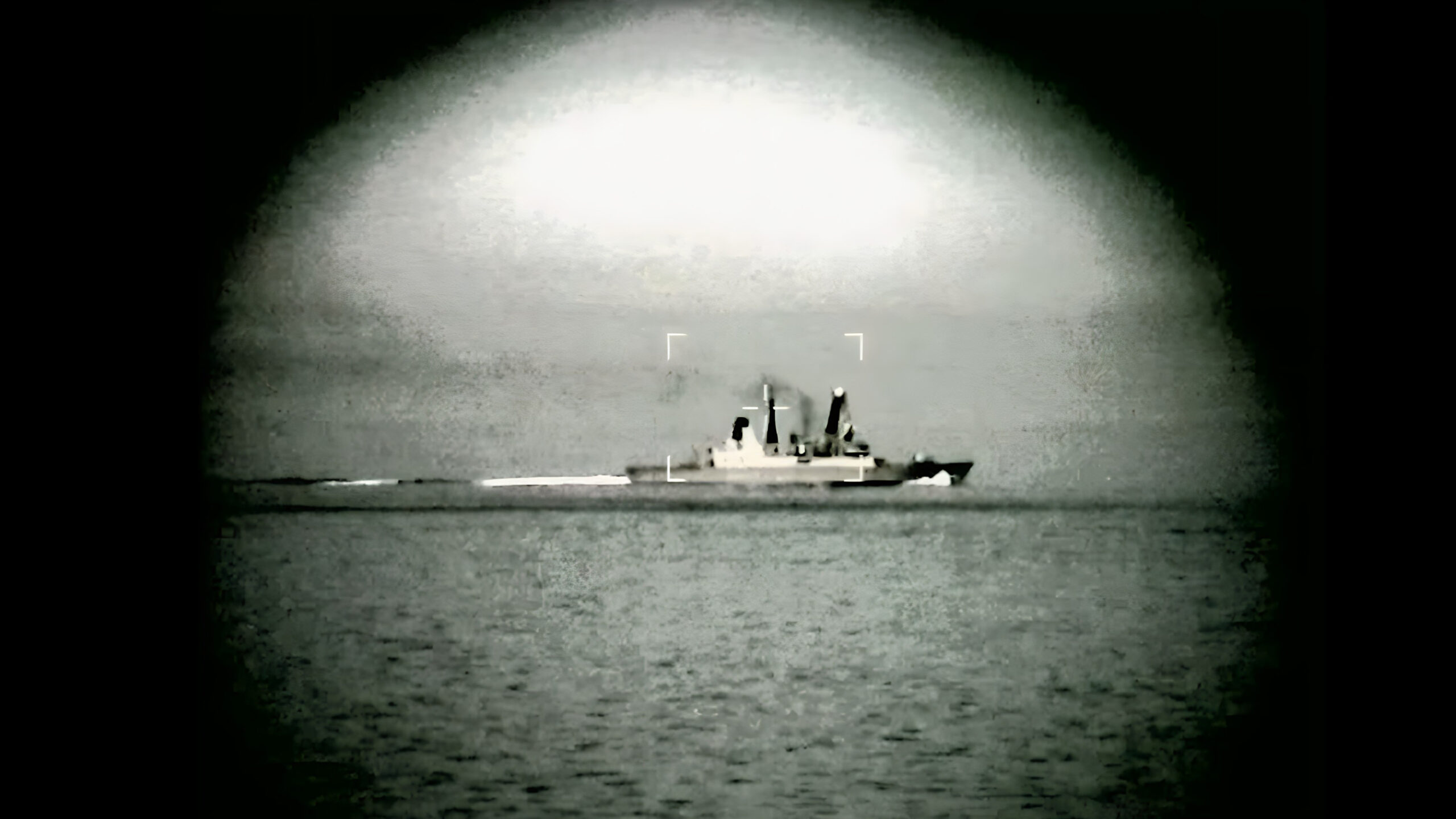
The Royal Navy must reinvest in developing leaders who can debate, challenge assumptions and think critically if it is to remain effective in combat, a new study has warned, according to research by the University of Exeter.
Research by Dr Peter Roberts, a former Royal Navy warfare officer and now Honorary Senior Research Fellow at the University of Exeter, argues that the service has prioritised technology and diplomacy at the expense of warfighting culture.
The study calls for a shift in how future leaders are trained, warning that the Navy needs to place greater emphasis on argument, critical thinking and internal challenge.
Dr Roberts writes that “the belief in success through sophisticated equipment, rather than through the work of people or a way of fighting” has shaped decision-making within the service, affecting how personnel across roles have been valued.
The paper is sharply critical of senior leadership over several decades, stating that successive chiefs have shown “a failure in imagination, an inability to debate and win their cases” alongside a tendency to prioritise operational tempo over combat readiness.
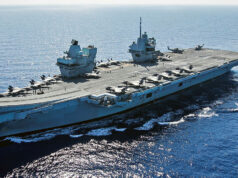
It also highlights what it describes as an enduring focus on carrier strike at the expense of wider fleet balance, arguing that naval leaders have “continued to sacrifice any and every part of the fleet to pay for the flat-tops.”
According to the study, these trends have contributed to a long-term erosion of capability, with declines in fleet mass and global presence traced back to the 1970s. The loss of experience following the retirement of Falklands War veterans is also cited as a factor.
Dr Roberts further argues that assumptions about prolonged peace and the decisive role of technology led to an underemphasis on preparing for high-end conflict, with the Navy increasingly viewing its role in diplomatic rather than combat terms. The paper concludes that reversing these cultural and structural trends will be necessary if the service is to restore combat effectiveness in an increasingly contested global environment.






Remain effective in combat, that’s a good one! 🤣 Is it April 1st? In order to remain one must actually be at that point to start from! Actually getting a useful number of vessels seaworthy would be a good starting point.
The whole of parliament has to redevelop a critical thinking culture if it believes that the (unsupported by any real scientific evidence) pursuit of net zero is more important than defence of the realm.
I think Dr Roberts needs to develop his critical thinking too. Whether or not building carriers was the right move, it’s done, history, sunk costs. Of course they have to be deployed. That’s not a vanity project, it’s training at scale. Radiating power abroad is part of deterrence, itself a core part of the military’s raison d’etre. I don’t understand why there are a determined group of carriers ate defence enthusiasts. The numbers don’t support that theory.
I entirely agree. The carriers ought to be the jewel in the crown of an outward looking defence policy that projects Britain across the world as a trusted trading partner and ally with whom to do business. An MoD funded and crewed Royal Yacht should be very much part of that approach. Defence creates exports, creates jobs, encourages leading edge R&D. The last couple of weeks have been extremely damaging to Britain’s image as a permanent member of the U.N. security council. That must be swiftly remedied by a powerful statement of intent by the publication of the DIP.
Yes all very true. Schools need critical thinking and not critical race theory.
Agreed.
Ahhhh, the Royal Yacht….the debates we used to have on here about that idea, the Boris thing.
I totally agree, I thought it a fine idea myself and argued for it many times here with the usual left wing detractors who’d have the UK vanish up its own rear end.
Most are in hiding now, BTW….
Group think has become hard wired into MOD as a whole.
The promotion stream is now so narrow, no Officer dares get ‘off message’ –
The Royal Navy isn’t the problem it’s Labour the Conservatives and Lib Dem’s that are the major problem.
The legacy parties between them have decimated and vandalised the Royal Navy over the decades and Labour and Starmer continue to do so to this very day.
It’s criminal and disgusting what the legacy parties have done to the British military.
They have done what our enemies couldn’t and that’s to destroy the British military.