

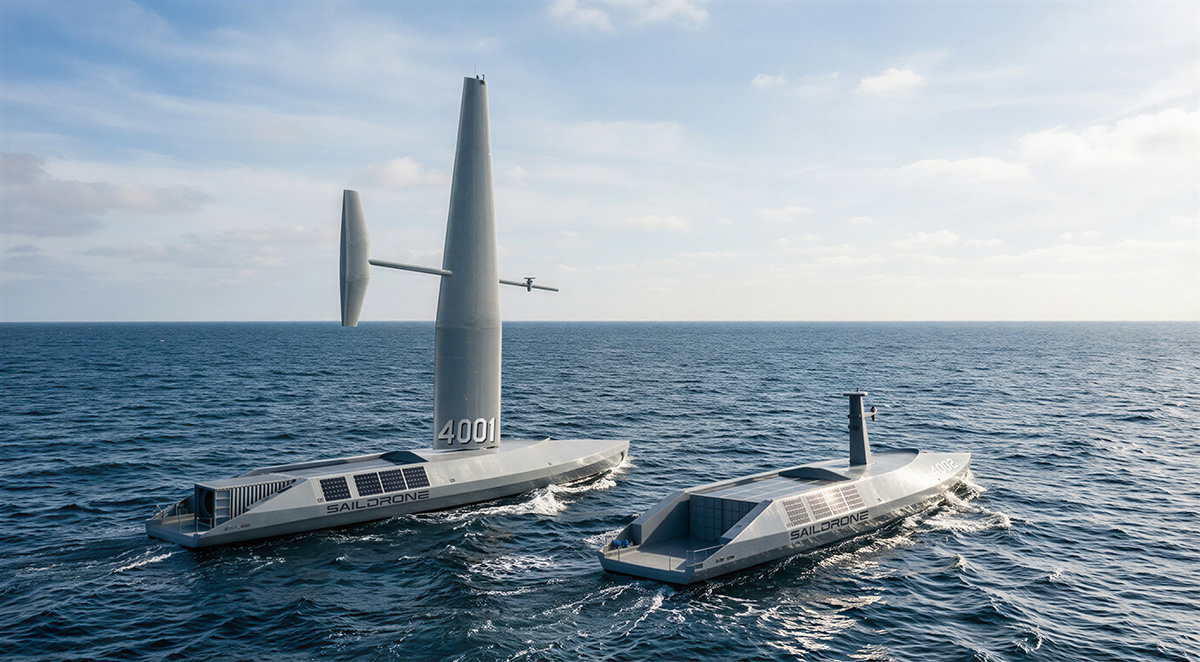
Sweden has begun a year-long maritime surveillance mission using four Saildrone Voyager uncrewed surface vessels to support Swedish Navy maritime domain awareness in the Baltic Sea, according to the company.
The Voyager is a ten metre wind and solar powered vessel that carries radar, cameras and acoustic sensors and can stay at sea for months without refuelling or a crew, which makes it suited to the persistent watch over shipping lanes and seabed infrastructure that Baltic states have been trying to establish.
The deployment follows a run of damage to cables and pipelines on the Baltic seabed, which has drawn NATO’s Baltic Sentry activity and a series of national responses. The Swedish Defence Materiel Administration announced the programme alongside the company.
Saildrone vessels have been used by the United States Navy in the Gulf and the Caribbean and by NATO in European waters, and the Royal Navy has run its own trials of uncrewed surface vessels for maritime surveillance.
Ministers told Parliament last week that up to £330 million is going into improving Britain’s ability to deter, detect and respond to threats against critical undersea infrastructure.



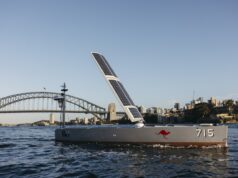


The picture above isn’t of the 10m Voyager vessel but of Saildrone’s design for the 52m Spectre. This is in my view the most interesting USV design out there at the moment, because the 43m tall mast gives it immense endurance and practically silent operation at 12 knots ( when supplemented by a small diesel-electric set). Even the smallest Saildrones have crossed the Atlantic, in both directions, so the large Spectre or something very like it would give an excellent ASW performance for extended periods at a time.
Sailing frigate, Return!