

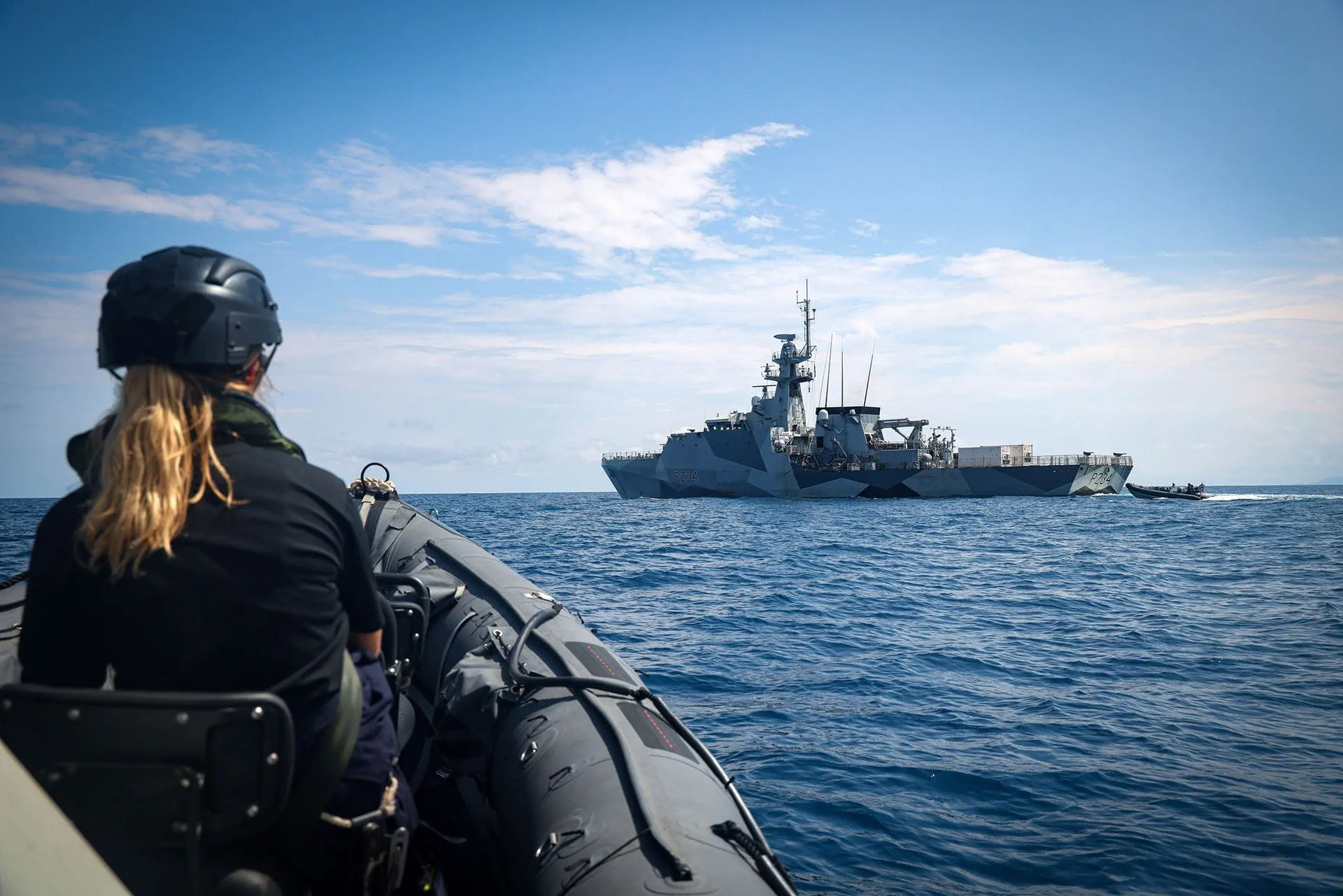
Royal Navy patrol ships HMS Spey and HMS Tamar are to enter the South China Sea for a ten-day multinational exercise with Australia, Malaysia, New Zealand and Singapore, continuing a British naval presence in waters where Beijing has repeatedly objected to UK military activity and policy, according to the Royal Navy.
The two Batch 2 River-class offshore patrol vessels will take part in Exercise Bersama Lima 26, the annual tri-service exercise conducted under the Five Power Defence Arrangements, or FPDA, which links the United Kingdom with Australia, Malaysia, New Zealand and Singapore.
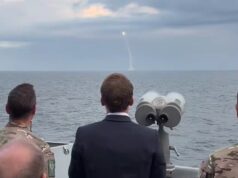
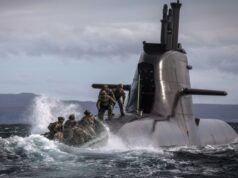
Bersama Lima, meaning “Together Five” in Malay, will involve ships, aircraft and troops operating across maritime, land and air scenarios. Forces committed to the exercise include frigates, patrol vessels, a corvette, tanker and submarine, as well as divers and specialist boarding teams.
Australian F-35A Lightning II fighters will lead the air element of the exercise, while planned scenarios include troops directing naval gunfire, boarding and searching vessels at sea, anti-submarine warfare and naval air defence supported by participating air forces.
The deployment takes place against a long-running dispute between Beijing and several regional governments over territorial and maritime claims in the South China Sea, as well as wider disagreements over the activities of military forces from countries outside the region. China has repeatedly criticised British involvement. In 2018, Beijing said it had lodged stern representations with the UK after HMS Albion sailed close to the Paracel Islands, which China calls the Xisha Islands. China said the ship had entered waters it regarded as its territorial sea without permission, while Britain has consistently maintained the importance of navigational rights under international law.
Beijing again objected in 2021 as the UK increased its naval presence in the Indo-Pacific, accusing Britain of deploying its Carrier Strike Group to the South China Sea to “flex its naval muscles”. More recently, in July 2026, the Chinese Embassy in London strongly condemned the UK for joining an international statement supporting the 2016 South China Sea arbitration award and urged Britain to stop what it described as “stirring up trouble” in the region.
HMS Tamar has also recently conducted a freedom-of-navigation activity in the South China Sea. In a parliamentary answer published on 8 September, the Ministry of Defence confirmed that the patrol ship operated alongside the Royal Australian Navy on 1 September as part of the UK’s stated commitment to freedom of navigation and overflight under the UN Convention on the Law of the Sea.
The Royal Navy says HMS Spey and HMS Tamar have themselves conducted freedom-of-navigation missions in disputed waters during their five-year deployment to the Indo-Pacific, sometimes operating independently and sometimes alongside regional partners.
Before Bersama Lima moves into its main operational phase, personnel from the five participating nations will spend time familiarising themselves with different vessels, equipment, procedures and terminology, while senior officers carry out planning for the live exercise.
According to a Royal Navy news update, Lieutenant Commander Cheryl Goodwin, HMS Tamar’s Executive Officer, said: “We’re looking forward to being a part of Bersama Lima 26 – an exercise which unites some of our closest allies, tests the crew in a traditional war-fighting role, and demonstrates the UK’s resolve to maintain stability in the Indo-Pacific region through supporting our partners.”
HMS Tamar is also carrying a Royal New Zealand Navy boarding team during the exercise, adding another element of direct integration between the participating forces.
Lieutenant Williams, a Royal New Zealand Navy officer embarked aboard Tamar, said: “It’s a first for me and my team, but it’s a well-trodden path which has been established through a deep history of our navies working together.”
He added: “We’ve got a lot of experience to share, are always looking to improve and we’re ready to go.”
The Five Power Defence Arrangements were established in 1971 and provide a framework for defence cooperation between the five member states. Regular exercises bring together naval, land and air forces, particularly around Malaysia and Singapore, to practise combined operations and develop common procedures. Both British patrol ships have been forward deployed to the Indo-Pacific since 2021. Their mission, known as Operation Highwall, has included multinational exercises, maritime security operations, sanctions enforcement, humanitarian assistance, defence engagement and freedom-of-navigation activity.
Bersama Lima marks a return to operations for HMS Spey after the vessel spent the summer undergoing maintenance in Singapore. HMS Tamar has remained active across the region, including participation in the US-led Pacific Partnership humanitarian exercise and a visit to Cambodia before its September activity with the Royal Australian Navy in the South China Sea.
The ships passed five years continuously deployed to the Indo-Pacific in September, making them the first Royal Navy vessels to maintain a persistent presence in the region since the handover of Hong Kong in 1997.
During Bersama Lima, Spey and Tamar will operate as part of a larger multinational force, with the live phase testing the five FPDA nations across areas including maritime interdiction, anti-submarine warfare and air defence in and around the South China Sea.



Tamar and Spey have often entered the South China seas without much of a peep from Beijing. It’s when they undertake highly publicised exercises or call it a FONOPS in the media, that’s when Beijing gets miffed. When Spey went through the Taiwan Straits last year, IIRC it wasn’t the passage that China objected to. It was the UK Government’s rhetoric. Sure there’s shadowing sometimes, as we might do to them, but top level protests are rare.
If we had more frigates, I’d rather we used them for the SCS exercises and the publicised FONOPS, and let the two OPVs quietly go about their business. The are not warships – not ships of war, anyway. Calling them that in a provocative context isn’t helpful. Of course we don’t have any more frigates, so the B2s will have to do. If they are pulled back to patrol the English Channel next year, we won’t have any ships in the Far East at all.
A frigate wouldn’t be any better off than an OPV facing China’s A2AD bubble. But then attacking them would amount to a declaration of war. The point is to demonstrate skin in the game, which the OPVs do adequately.
They are barely armed patrol ships, not warships.
This is why the RN needs an urgent second batch of type 31s. We are tasking patrol ships with tasks a warship should be doing.
Agreed there Hardly Warships…! Little bit Overstating Headline….Part of Healeys Mysterious 17 FrigatesDestroyer fleet maybe..!!
I’d be happy to see the first batch of T31!
It’s almost like the idiots in power really do want a world war, whilst Europe and the Allies are at their lowest capability possible, the braincells used to make these decisions could be counted on one hand !!