

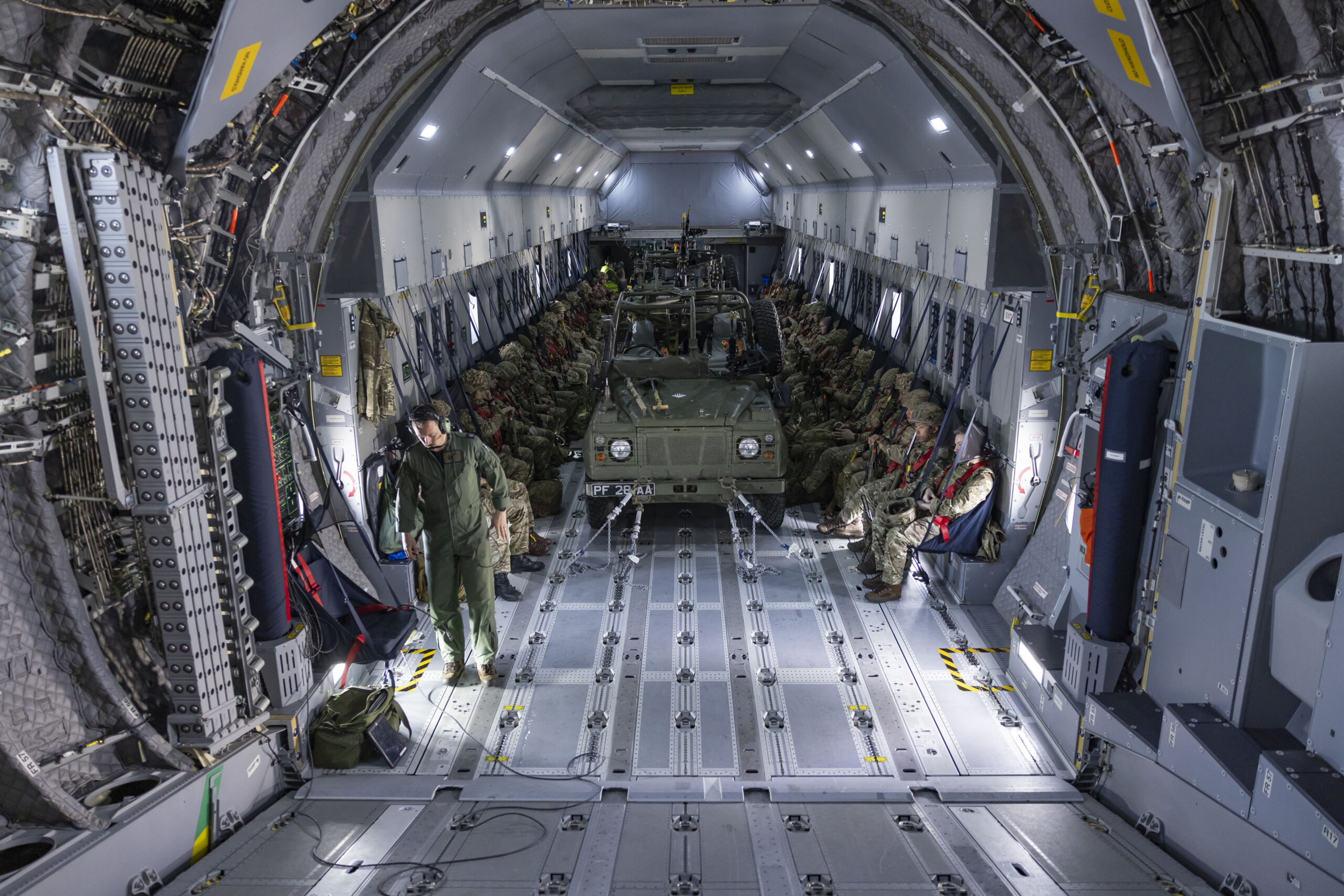
The British Army is not currently accepting new applications from most Commonwealth citizens after a surge in interest created a backlog of candidates, according to a written parliamentary answer from Defence Minister Al Carns.
Responding to a question from Conservative MP Ben Obese-Jecty, Carns said the pause followed an “unprecedented volume of applications” received in August 2024.
“Due to an unprecedented volume of applications in August 2024, the Army is not currently accepting new applications from Commonwealth citizens, other than for those who wish to be musicians, whilst it processes those who have already applied,” Carns said.
He added that officials cannot yet say when the application window will reopen fully, although Commonwealth citizens are still joining the Army through existing applications. The Royal Navy continues to accept expressions of interest, while the Royal Air Force remains open to applications from Commonwealth nationals.
Carns also outlined how Commonwealth applicants enter the UK before beginning their military careers. “Commonwealth citizens wishing to join the UK Armed Forces must enter the UK on the visitor route either via a visitor visa or an Electronic Travel Authorisation depending on their country of origin,” he said. “Once successful applicants are recruited and begin their training, the Home Office exempts them from immigration control for the duration of their Regular service.”
Security vetting requirements apply to all recruits regardless of nationality. “The national security vetting (NSV) process is owned by the Cabinet Office, and the MOD must comply with it,” Carns said. “Where an applicant, regardless of nationality, has not resided in the UK continuously for the required period prior to their application additional checks may be needed.”
The minister also confirmed there are no current plans to increase the annual cap on Commonwealth recruits entering basic training. “There are currently no plans to review the maximum 1,350 Basic Training Start limit for Commonwealth citizens each recruiting year,” he said.
Within the Army, an additional rule limits Commonwealth personnel to no more than 15 per cent of the strength of any individual cap badge, although the services adjust recruitment levels within those limits to meet operational needs.
Carns said Commonwealth personnel serve under largely the same terms as British and Irish troops, including pay, pensions and access to accommodation and welfare support, while immigration arrangements allow them and their families to live in the UK and eventually apply for British citizenship.







Crackers, and raise a few new Gurkha battalions for good measure.
I would prefer the British Army to remain British myself. Some recruitment is fine, but only some. Same with the Gurkhas,
If we recruited more I’d not want standards to drop there, though the fantasy of a “Gurkha Brigade” sounds good.
Google shows the established figure for Commonwealth personnel as 5770, a not insignificant figure in an Army of 73000. Then add the Gurkhas on top, who I don’t think are counted in the figures.
Why do you think more non-British soldiers might mean a drop in overall standards?
Hi James.
If that was for me i was referring to the Gurkhas. I understand out of tens of thousands a few hundred get chosen every year.
OK.
Manning an expanded army would be a nice problem to have!
So the British army has a critical shortfall of musicians. This is, indeed, a catastrophy and we need to immediatley put at least £10 billion into schools to encourage more interest in this obviously neglected yet essential lack in our ability to recruit such an essential element in our armed services.
As some other comments have said already, I agree I would rather we recruit more from the Gurkha population.
They are fine soldiers that have proved their worth since the 19th century and unlike some other minorities, they integrate quite well into British society.
So maybe expanding the recruitment pool in Nepal would be a winner for the country
Well Nepal is not a member of the Commonwealth so I assume this surge has nothing to do with the Gurkhas. I’d guess it may be chunk of Fijians but would be interesting to see the breakdown.
Lots of Saffas too I gather