

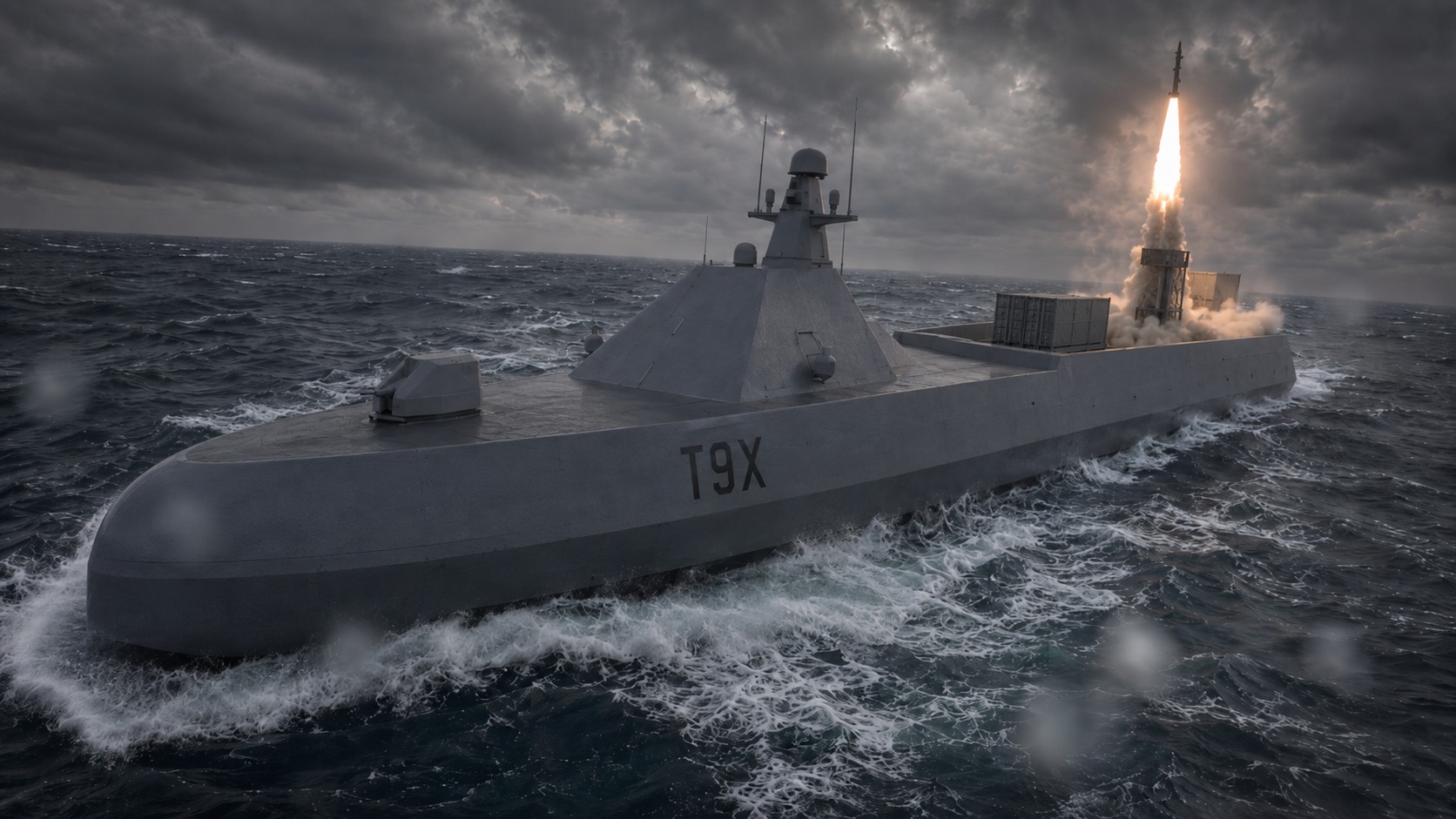
The development timelines for its Type 91 uncrewed missile vessel, Type 94 uncrewed radar platform and new Common Combat Vessel remain unknown, despite all three forming the core of the future system intended to replace the Type 45 destroyers.
Three separate parliamentary questions from Conservative MP Ben Obese-Jecty asked when the Type 91 and Type 94 concept phases would begin and end, and when the initial design stage of the Common Combat Vessel would be completed.
In each case, Defence Readiness and Industry Minister Luke Pollard gave the same answer: “Work on the Type 91-94 and Common Combat Vessel continues. Further detail will be released as appropriate as these programmes develop.”
The answers leave the detailed development schedule unclear, although broader milestones for the Royal Navy’s Hybrid Navy programme have previously been set out.
Current planning assumptions envisage Hybrid Navy capabilities being introduced progressively from the early 2030s, while the Navy has previously said it wants the Common Combat Vessel and wider maritime air defence system to arrive in step with the retirement of the Type 45 fleet from the mid-2030s onwards.
The Government has committed to procuring at least six Common Combat Vessels, which will act as the crewed command and control element of the future distributed air defence force. The ships will work with Type 91 uncrewed missile platforms and Type 94 uncrewed sensor vessels, separating functions currently concentrated aboard a Type 45 destroyer across a network of crewed and autonomous ships.
The Type 91 is intended to contribute missile capacity to the future maritime Integrated Air and Missile Defence system, while the Type 94 will provide distributed sensing. Defence has said the intention is for the Type 91 and Type 94 platforms to operate without crews rather than as lean-crewed or optionally crewed vessels. The Common Combat Vessel would sit at the centre of that network, coordinating the autonomous elements while also carrying personnel responsible for support and maintenance.
There is already an ambition to have a prototype uncrewed missile platform in service by 2030 as part of the first large autonomous vessels entering the fleet. That does not amount to a confirmed service-entry date for the operational Type 91 fleet, with ministers subsequently saying detailed requirements and delivery timelines remain subject to concept and assessment work.
The Common Combat Vessel itself remains at an early stage. In July, Pollard said it was still in the initial stages of design and that different hull forms were being explored.
The programme is intended to replace the earlier plan for a conventional Type 83 destroyer with a more distributed approach to maritime air defence. Rather than putting sensors, weapons and command systems aboard a small number of large warships, the Navy plans to distribute them across a larger mix of crewed and uncrewed vessels.
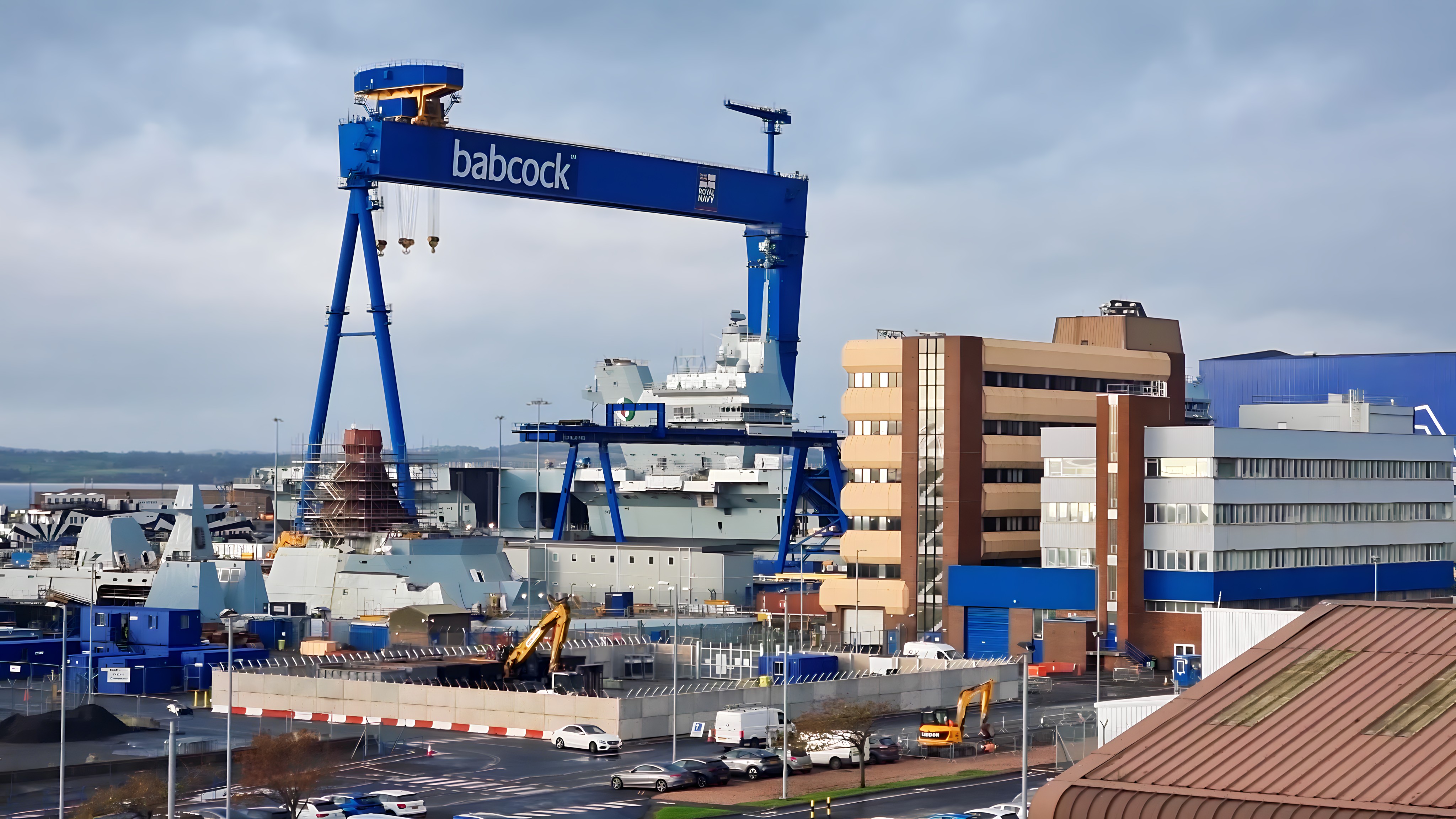
Further uncertainty also remains over where the Common Combat Vessels will be built. Asked separately this month whether a lead shipyard had been identified, Pollard again said: “Work on the Type 91-94 and Common Combat Vessel continues. Further detail will be released as appropriate as these programmes develop.”



Absolute bullshit from a government that couldn’t care less about defence as long as they can tax and pay benefits.
Building the QE carriers might just be the second silliest thing the Royal Navy has done this century.
“There is already an ambition to have a prototype uncrewed missile platform in service by 2030”
Somewhat different from this time last year at DSEI when the First Sea Lord said they’d be sailing in two years. We all said the timeline was unlikely, well those less charitable may has used harsher language. So now the prototype has shifted from 2 years to 5 years. I think this is a little more likely. However, where would it be built? What do others think?
If it is a real prototype for Atlantic all seasons – the only that matters – then no chance looking at the past and present it will be in service in 5 years.
How will the RN recover one of these unmanned vessels if it breaks down 800miles out in the Atlantic? Or is the intended operation only to be close inshore and/or escorted by a manned vessel with a few miles? Serious question what is the anticipated operating policy?