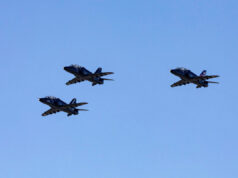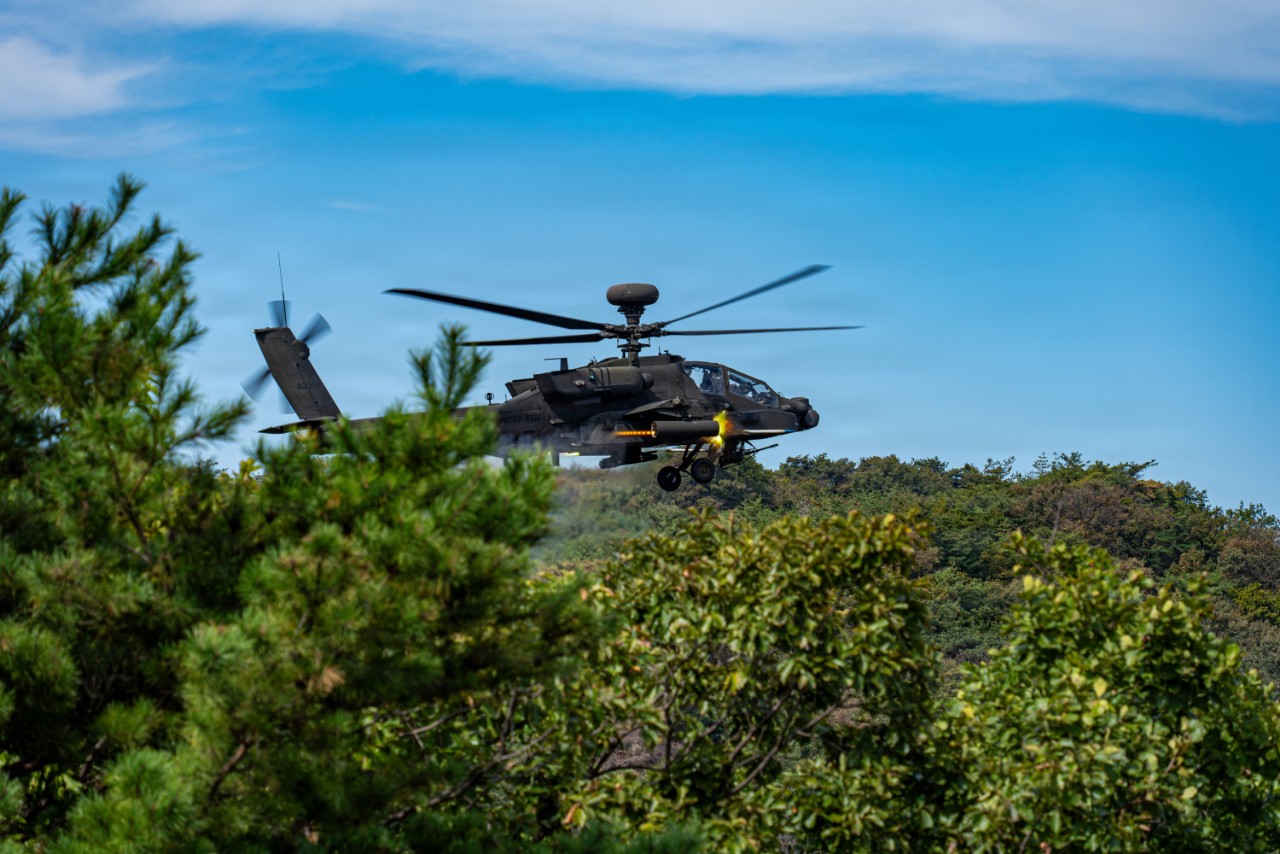
American Apache crews carried out aerial gunnery at the Rodriguez Live Fire Complex in South Korea at the end of September, validating weapons employment, target engagement and crew coordination under live-fire conditions, according to the unit.
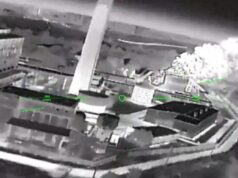
The crews came from 4th Battalion, 2nd Aviation Regiment, part of 2nd Combat Aviation Brigade in the 2nd Infantry Division and Republic of Korea and United States Combined Division. The division said the training strengthens combat readiness and proficiency, and the imagery released shows AH-64 Apaches engaging simulated targets at low level over wooded ridgelines, with rocket motor flashes beneath the fuselage and impact smoke rising from the hillsides.
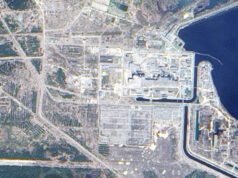
Rodriguez Live Fire Complex sits near Pocheon in Gyeonggi Province, around twenty-five kilometres from the Demilitarised Zone, and it is the principal range on the peninsula where American and South Korean units can shoot and manoeuvre together with live ammunition. Its proximity to the border has made it a politically sensitive site, with noise and safety complaints from nearby villages a recurring issue.
2nd Combat Aviation Brigade is the only permanently forward-stationed combat aviation brigade in the United States Army, and the “Fight Tonight” tag the division attaches to its material reflects what the formation exists to do, which is to be ready for combat without a deployment timeline. The brigade operates from Camp Humphreys, the largest American overseas base, and its Apache battalions are among the few American attack aviation units held at that readiness state permanently.
The British Army flies the AH-64E Apache from Wattisham Flying Station under 1 Aviation Brigade Combat Team, having completed the transition from the Westland-built Mk1 fleet, and the American and British fleets now operate the same baseline aircraft. British crews train in similar gunnery cycles at ranges including Castlemartin and Otterburn, and have exercised alongside American attack aviation in Europe and the United States.