The government has been asked whether buying the F-35A and the Precision Strike Missile deepens British dependence on the United States, and has answered that collaborating with the closest defence ally will deliver significant capability, according to an answer given in Parliament.
Mike Martin, the Liberal Democrat member for Tunbridge Wells, asked whether an assessment had been conducted of the potential impact of the two purchases on Britain’s level of reliance on the United States.
Luke Pollard, the Minister for Defence Readiness and Industry, said: “The Government assesses that collaborating with the UK’s closest defence and security ally on F35A and PrSM will deliver significant capabilities that enhance UK and NATO security.
“The Government’s approach is to build on the existing close cooperation with the US while also deepening partnerships with other allies and partners. While US-led, the F35 is a multinational programme, including significant UK equities. PrSM is a trilateral partnership with Australia. The Government’s approach enables the UK to maximise collective security, strengthen deterrence and advance our national interests in an increasingly contested strategic environment. Collaborating with the US on F35A and PrSM will also benefit UK prosperity and increase supply chain resilience.”
The answer does not say whether the assessment Mr Martin asked about has been conducted, nor does it address the dependence question directly, offering instead the arguments for the two purchases and the British industrial content in each.
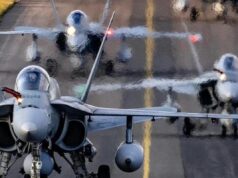
British industry holds roughly fifteen per cent by value of every F-35 built according to some figures, others show it as much less though, and the F-35A buy was announced in June last year. The Precision Strike Missile is an American Army programme, and the answer describes British involvement as a trilateral partnership that also takes in Australia.
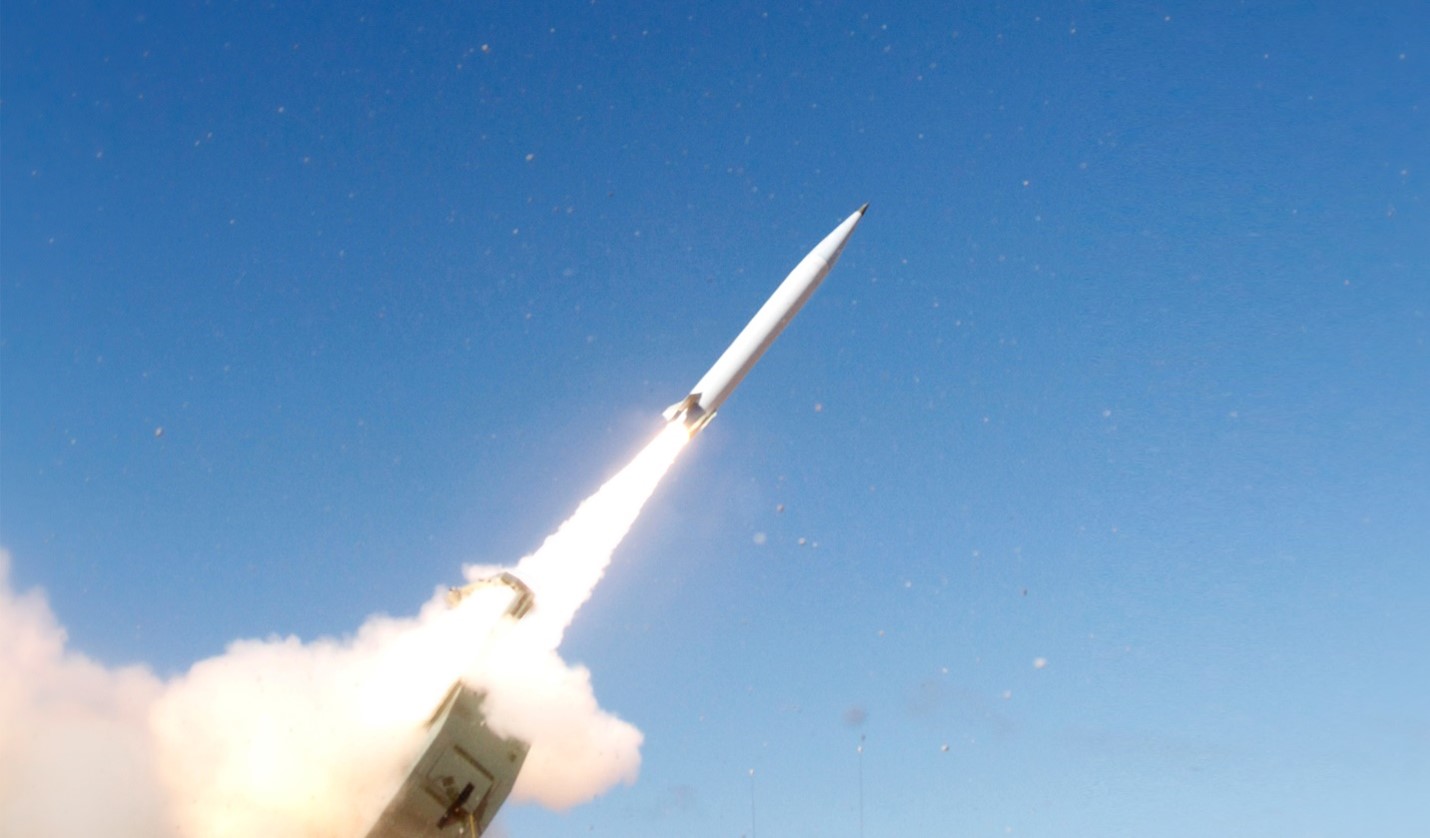
The Precision Strike Missile is a United States Army programme built by Lockheed Martin to replace ATACMS, fired from the same HIMARS and M270 launchers already in British service. The first increment has a stated range of more than 400 kilometres, with later increments intended to reach further and to attack moving targets at sea. Britain set out its intention to acquire the missile in the Strategic Defence Review, and the answer describes the arrangement as trilateral with Australia.