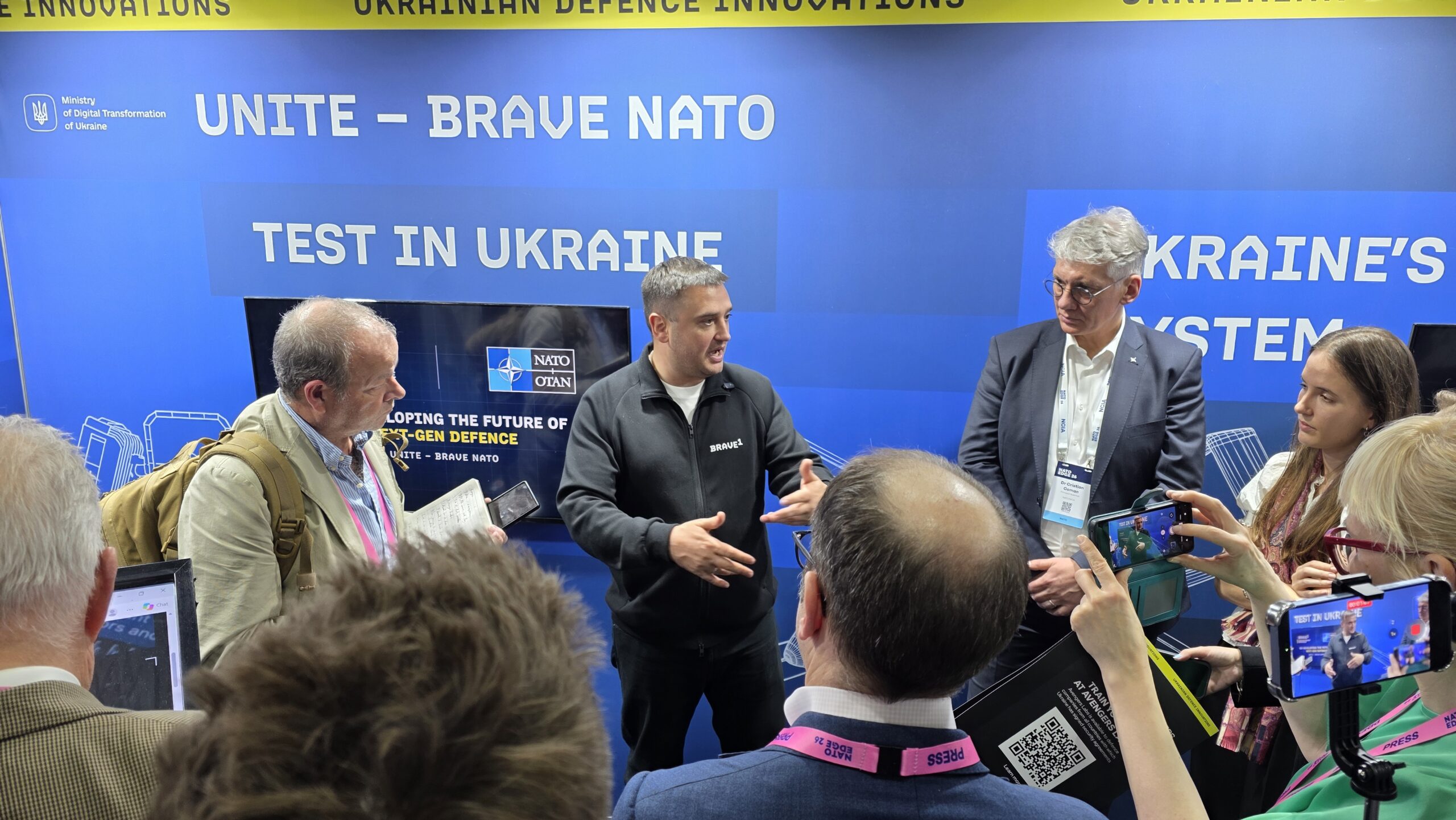
Ukraine’s defence technology cluster Brave1 has been described as a breath of “fresh air” for NATO’s own efforts to innovate, as the two sides push ahead with a joint grant programme that only funds teams made up of Ukrainian and allied companies working as equal partners.
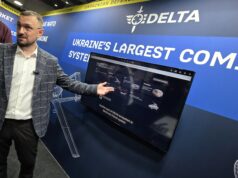
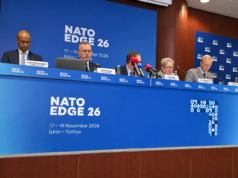
Speaking on Ukraine’s stand at NATO Edge 26 in İzmir alongside Oleksandr Bornyakov, chairman of Brave1’s supervisory board, Dr Cristian Coman of the NATO Communications and Information Agency (NCIA), which helps run the UNITE Brave NATO programme, said the Alliance had been trying to innovate for many years through a range of programmes, but had been struck by how quickly Brave1 had produced results.
“When we have seen what Brave1 has managed to do in such a short period of time, it’s a fresh influence,” Coman said. Supporting it had been “a political decision” taken at NATO headquarters, Coman added, and the defining feature of the programme was that every proposal had to be shared. “We do not accept proposal from the Ukrainian company or proposal from the NATO companies, but we only accept equal partnership proposal,” Coman said, describing it as creating the legal and commercial framework for Ukrainian and allied firms to work directly together, including the many companies trying to find a way into Ukraine.
Bornyakov, a former deputy minister of digital transformation who was asked to set up Brave1 as a systematic way of bringing new technology to Ukraine’s forces, said the cluster now works with more than 2,500 companies, hundreds of investors and thousands of developers, and is behind capabilities that did not exist in Ukraine’s armed forces before it, from the ground robots now used for logistics to interceptor drones. The point of the NATO partnership, he said, was interoperability in both directions, letting allies draw on Ukraine’s experience while bringing Ukrainian companies, some of which have grown to the size of primes, into allied systems. He gave Ukraine’s sea drones as the clearest example of what he called asymmetric solutions. “We didn’t have a fleet, but we came up with a relatively cheap solution, water drones, and we push the fleet back,” he said.
“We have to start somewhere”
UNITE Brave NATO was announced in November 2025 and launched its first competition this year, with a budget of €10 million split between Brave1, which funds the Ukrainian partners, and NATO’s Comprehensive Assistance Package for Ukraine, which funds the allied side and is limited to non-lethal technology. Each joint team can receive up to €1 million, with up to €500,000 for each partner, across six areas including active protection of vehicles against FPV drones, affordable defences against Shahed-type drones, electronic warfare against FPV drones, high-altitude surveillance platforms and navigation where satellite signals are denied. Bornyakov said air defence was the hottest topic across the programme. The schedule has slipped, with applications opening at the end of July rather than in the spring, and plans call for it to grow to €50 million if the pilot succeeds.
Challenged by one journalist that €10 million was small change by European and American standards for high technology, Bornyakov did not argue the point. “We have to start somewhere. I understand it’s not big budget,” he said. Coman said the value lay in what the grants unlock. Companies come in at around technology readiness level 6, with NATO’s DIANA accelerator working at earlier stages, and the aim is to push them to level 8 or 9, “making ready that they are ready for the fight”. If they then pass testing, they qualify for NATO’s marketplaces, “where the actual contracts will pop up for them”, Coman said.
Coman was frank that NATO has yet to match some of what Ukraine has built. “If you look in Ukraine at the moment, they have battalion and divisions dealing with drones only. This does not exist yet into the NATO structure, but this is an evolution,” Coman said, adding that some nations were further ahead and already building such capabilities nationally. NATO’s role, Coman said, was to make sure that as allies develop their own autonomous and robotic systems, they can work together on the same battlefield, with several groups inside the Alliance focused on that.
NATO Edge is the annual conference of the NATO Communications and Information Agency, and Ukraine’s experience has been a recurring theme across the week, from the digital transformation minister’s media briefing to NATO’s Fight Club experiments. For Brave1, which began as a grant scheme before moving into challenge-led competitions, a marketplace and its own War Changers department to get its thousands of member companies working together, the NATO tie-up is the next step in an evolution that Bornyakov said had taken it “outside of mandate inside the country”.