

George Allison

George Allison is the founder and editor of the UK Defence Journal. He holds a degree in Cyber Security from Glasgow Caledonian University and specialises in naval and cyber security topics. George has appeared on national radio and television to provide commentary on defence and security issues. Twitter: @geoallison

Carrier jets flying ‘lion’s share’ of sorties against Daesh
Jets flying from aircraft carrier HMS Queen Elizabeth are currently carrying out "the lion’s share" of operations over Iraq to wipe out the remnants of Islamic State.
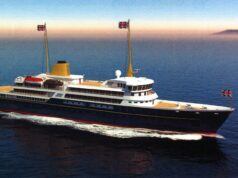
‘National Flagship’ to come out of Ministry of Defence budget
Announcing the decision, Downing Street clarified that "this is a trade ship, it is not a military vessel".

Disinformation being ‘weaponised at levels nobody imagined’
A paper has been published by Stewart McDonald MP setting out his assessment of disinformation activity in Scotland.
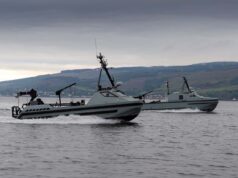
Third ‘minehunting drone’ delivered to Clyde naval base
The third and final autonomous minehunting boat has been delivered to HMNB Clyde near Glasgow.

RAF personnel command Australian E-7 Wedgetail aircraft
Royal Air Force personnel filled key positions on-board an Australian E-7A Wedgetail airborne early warning and control aircraft during an exercise.
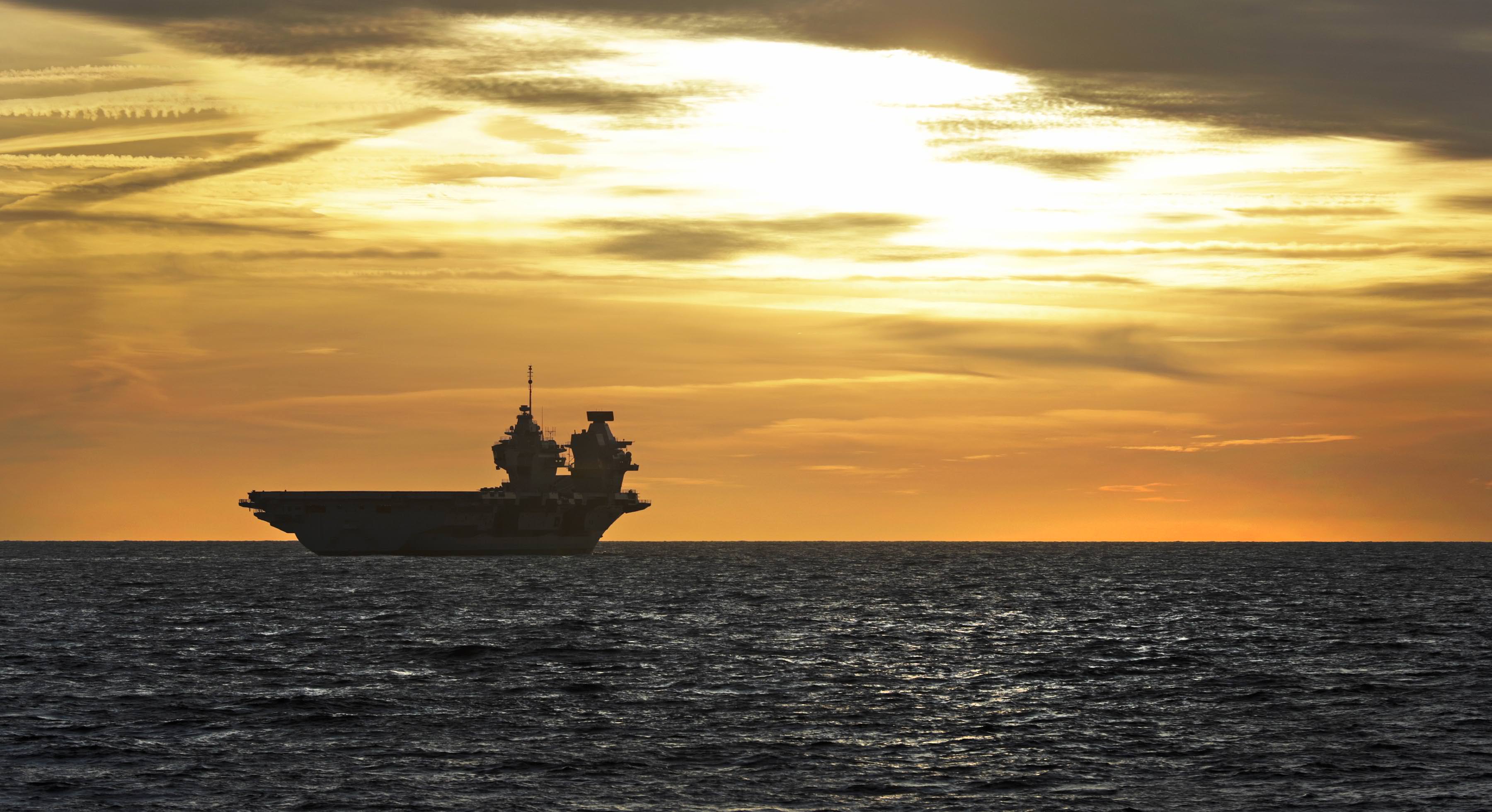
MoD confirm aircraft carriers may be fitted with catapults
The Queen Elizabeth class aircraft carriers might be fitted with catapults 'in the coming years'.
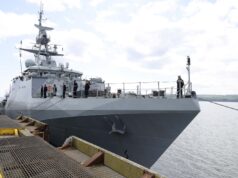
HMS Spey commissioned into Royal Navy fleet
Built on the River Clyde by BAE Systems, the ship is the fifth and final of the second generation of River class vessels built for the Royal Navy.

British carrier to strike targets in Syria and Iraq
HMS Queen Elizabeth's F-35 jets are going into action against Islamic State forces and will strike targets in Iraq and Syria.

Brazil picks British ‘Sea Ceptor’ missiles for new frigates
Brazil joins the United Kingdom, Chile, New Zealand and Canada in a growing list of Sea Ceptor missile users.
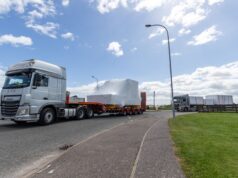
AN-124 cargo aircraft delivers new Poseidon simulator
An AN-124 cargo aircraft touched down at Glasgow Prestwick Airport to deliver a second Operational Flight Trainer for the the Poseidon MRA Mk 1.
