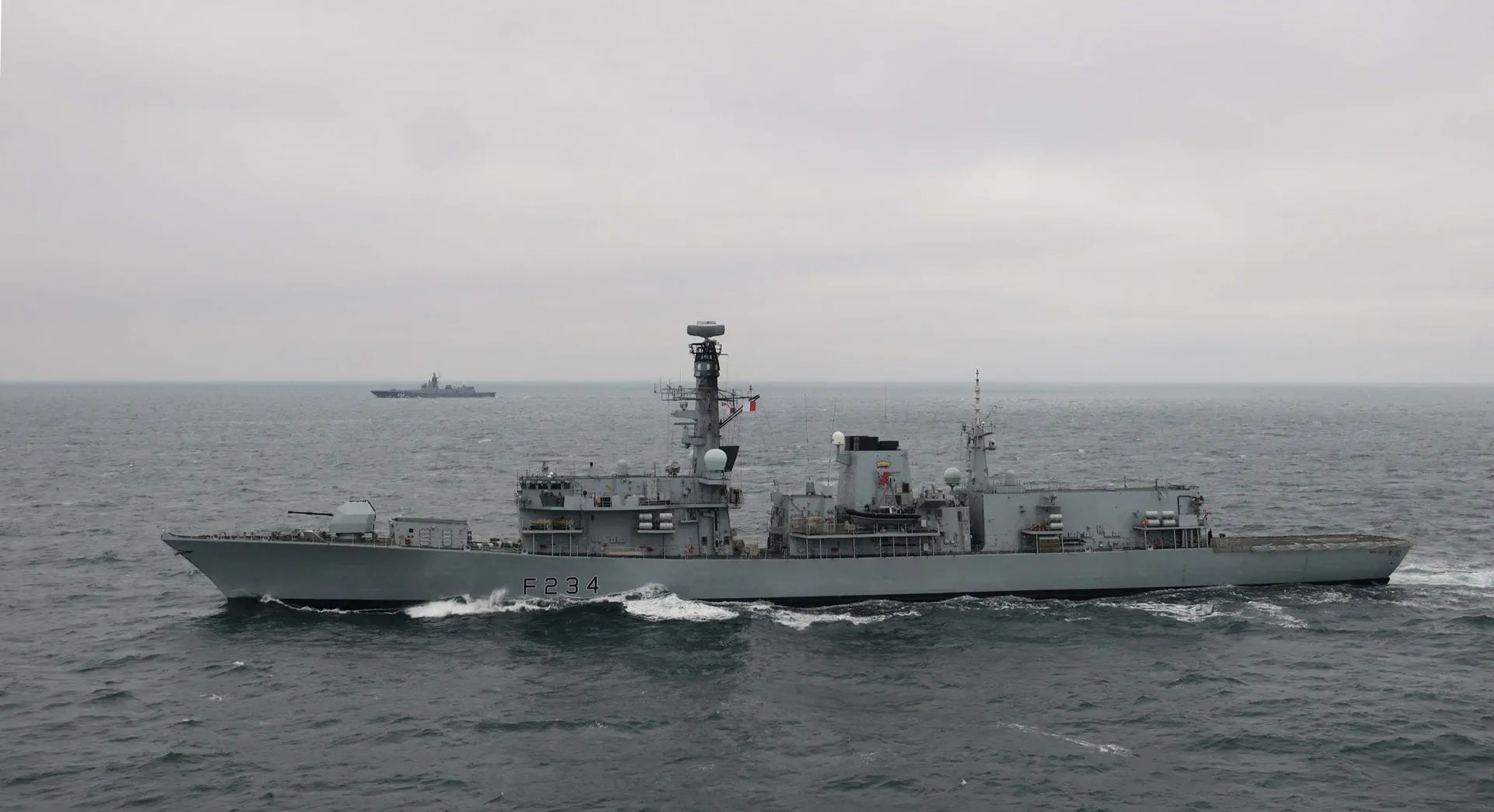
The life extension programme for HMS Iron Duke cost £102.9 million and ran for 208 weeks between May 2019 and May 2023, and a further £4.7 million was spent on a towed sonar array conversion that was then cancelled, according to written evidence submitted to the Defence Committee.
The figures were supplied by the Ministry of Defence in answer to follow-up questions from the committee’s High North inquiry, after members pressed the Minister during oral evidence on 15 July. The committee asked for the precise money spent on the deep maintenance of Iron Duke and HMS Richmond, and for the reason it was not then judged cost-effective to keep either in service.
One of the questions put to the Minister ran: “We spent over £100 million on refitting Iron Duke a small number of years ago. In fact, I think the refit took longer than the payback of service. What is the precise reason that HMS Iron Duke was taken out of service?”
A second asked: “We were going to fit a towed sonar array to Iron Duke as well. That plan was started and then abandoned. Could you tell the Committee how much money was spent on that plan?”
The department set out the costs, dates and durations of the life extension programmes for both ships. HMS Iron Duke’s ran to £102.9 million from May 2019 to May 2023. HMS Richmond’s cost £72.0 million and ran for 126 weeks from October 2017 to June 2020.
On why Iron Duke went, the department said: “HMS Iron Duke was taken out of service because the ship required significant additional structural repairs and investment which could not be justified given its remaining service life and the availability of other frigates to meet operational requirements.”
On the abandoned sonar conversion, it said: “The Ministry of Defence keeps all capability programmes under regular review to ensure they remain affordable, deliver value for money, and align with operational priorities. The decision to cancel the Iron Duke conversion programme was based on a comprehensive assessment. Given the platform’s remaining service life, the time required to complete the conversion, and competing operational priorities, the benefits of proceeding did not justify the additional cost or extended period out of service. Resources were therefore re-prioritised to deliver greater operational effect. Approximately £4.7 million was spent before the conversion was cancelled.”
On Richmond, the department said: “HMS Richmond was found to require a major refit to address structural defects. This would have produced limited availability before her planned out of service date. Focussing investment and resources on sustaining the remaining Type 23 frigates and supporting the entry to service of the Type 26 and Type 31 frigates was deemed better value for money.”
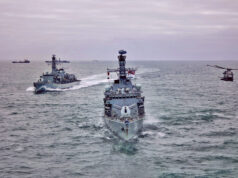
Iron Duke came out of Devonport in 2023 after four years alongside, emerging with new diesel generators, upgraded Sea Ceptor and Artisan radar, and she was withdrawn in 2025 along with Richmond. The dates bear out the point the committee put to the Minister. Her life extension ran for 208 weeks and she gave the fleet about half that in sea service before coming off the operational list.
The towed array conversion would have turned Iron Duke from a general purpose Type 23 into a towed array frigate, the variant that carries Sonar 2087 and does the deep anti-submarine work in the Greenland Iceland United Kingdom gap. The Royal Navy has been short of towed array hulls for years, with the general purpose ships retired first and the specialist ones held on while Type 26 is built, so converting one was a way of propping up the number before the new class arrives.
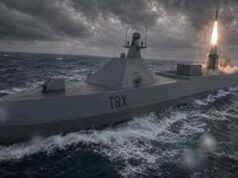
Both ships went as part of the equipment reductions that have taken the frigate force down while the Type 26 and Type 31 programmes run. The first of class in both programmes, Glasgow on the Clyde and Venturer at Rosyth, are still working towards the point at which they can take on the tasks the departing Type 23s were doing.