

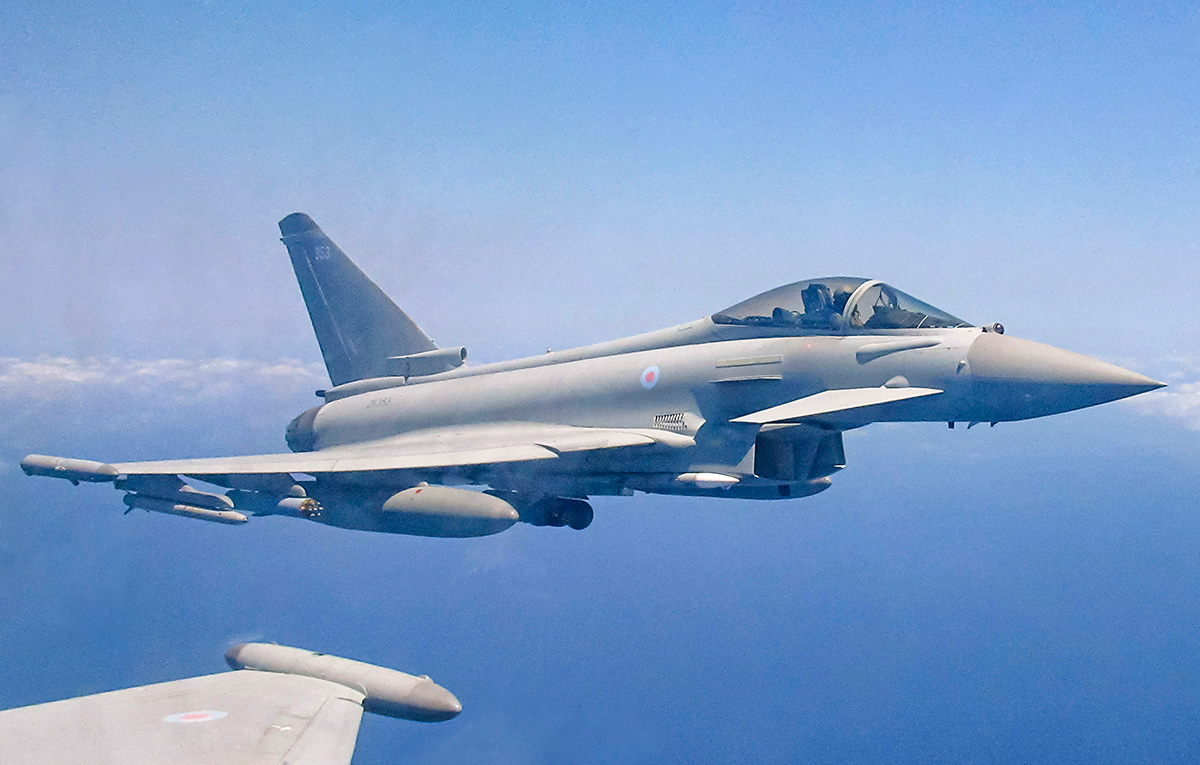
The rapid integration and deployment of a new low-cost anti-drone missile on RAF Typhoon jets was made possible in part through trials conducted at MOD Aberporth range in west Wales, operated by QinetiQ under its Long Term Partnering Agreement with the Ministry of Defence, the company stated.
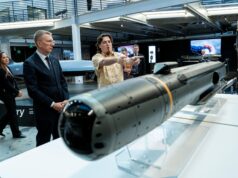
The Advanced Precision Kill Weapon System, developed by BAE Systems, was trialled at Aberporth earlier this year before being cleared for operational deployment in the Middle East. QinetiQ supported the engineering integration of the weapon with the Typhoon ahead of the trials, created a safety zone at the range, and provided realistic aerial targets for pilots to train against. The system has since moved to operational use, with 9 Squadron RAF Typhoons flying sorties in the Middle East as part of ongoing defensive missions in the region.
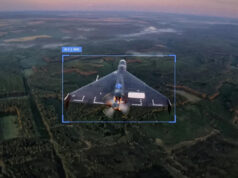
Among the targets used during the trials was QinetiQ’s Banshee Whirlwind, an uncrewed aerial vehicle training target manufactured in Ashford, Kent, capable of speeds of approximately 350mph. The system is used by over 30 countries to represent aerial threats during live firing exercises.
Steve Wadey, Group Chief Executive Officer of QinetiQ, said the trials work reflected the company’s role in delivering urgent defence capability. “From engineering expertise to live trials, our teams are providing the fundamental support needed by our armed forces, to deliver the urgent capabilities that ensure the UK and its allies remain safe and warfighting ready.”
QinetiQ’s involvement was delivered through two existing contractual frameworks. The integration engineering work was carried out under the Engineering Delivery Partnership contract, through which QinetiQ provides a broad range of specialist engineering services supporting the maintenance and development of the Typhoon fleet. The range activity at Aberporth was conducted under the Long Term Partnering Agreement, a strategic framework originally signed in 2003 for 25 years covering test, trials, training, and evaluation services across 16 MoD-owned sites in England, Scotland, and Wales. A five-year, £1.54 billion extension to the LTPA was announced in May 2025.
The ability to conduct live firing trials at a domestic range against realistic targets, rather than relying on overseas facilities, was a practical enabler of the rapid timeline. Aberporth, situated on the Cardigan Bay coast, has been used for weapons trials and unmanned systems testing for decades and is one of the few ranges in the UK capable of supporting live air-to-air missile firings over the sea.






I’ve gained $17,240 only within four weeks by comfortably working part-time from home. Immediately when I had lost my last business, I was very troubled and thankfully I’ve located this project now in this way I’m in a position to receive thousand USD directly from home. Each individual certainly can do this easy work & make more greenbacks online by visiting
following website—.,.,.,.,.—>>> JobatHome1.Com
Key real estate, those ranges. Ops privatised like so much else after HMG cleverly sold off DERA but at least the MoD retain ownership.
Makes it sound all innovative and stuff. But the yanks have been using this for up to a decade if not longer. In fact I think our Apache helicopters already have it. All they seemed to have done is make sure the Typhoon can fire it. Good stuff and all that, but hardly the stuff of innovation and fixing of the procurement system.
The news to me was we had actually ordered the rockets. There had been a number of potential foreign military sale announcements by the US with the UK as the buyer but hasn’t realised the order had actually need placed.
Lucky you, we will have to wait for the Thales Belgium rockets till october for the Rafale and Tigers.
Does UK plan to use them on Reaper or other helicopters?
On our side, rockets will also be deployed on ships and land vehicule, as point defense.
They haven’t been using them to shoot drones down for a decade though. That’s the key difference.