

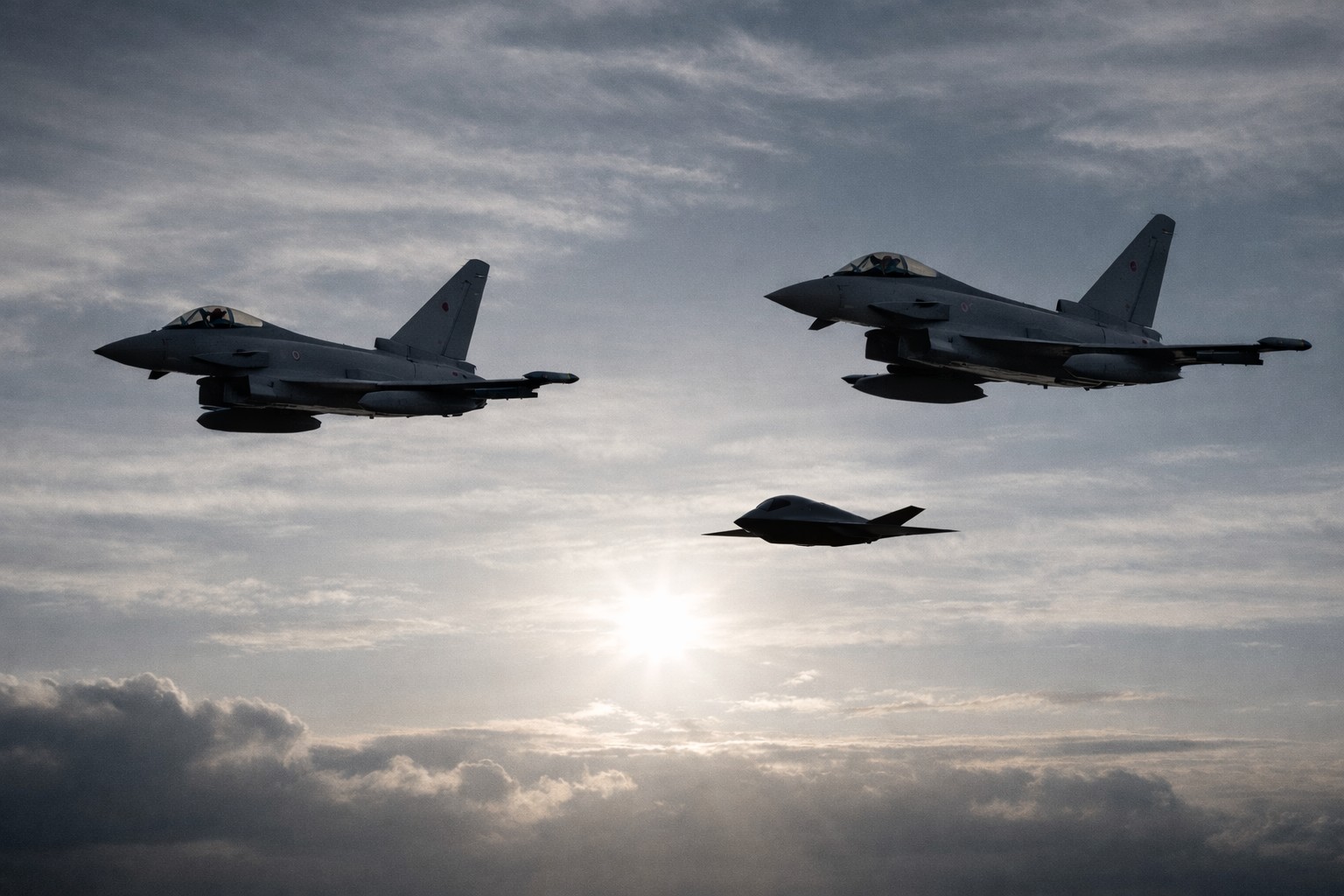
The Ministry of Defence intends to have a concept demonstrator of its Collaborative Combat Aircraft flying by at least 2030, with an operational capability to follow as soon as possible afterwards, according to a written parliamentary answer confirming the timetable for Britain’s autonomous fighter drone programme.
Ben Obese-Jecty, the Conservative MP for Huntingdon, asked by when the programme to develop UK autonomous jets referenced in the Defence Investment Plan would begin. Minister for Defence Readiness and Industry Luke Pollard replied on 8 July:
“The programme to develop UK autonomous jets leverages years of work in autonomy and remotely piloted aircraft. The £300 million investment represents a programme to develop UK collaborative combat aircraft, working with industry and leveraging technologies and manufacturing techniques being developed by the Global Combat Air Programme. Defence aims to have a Collaborative Combat Aircraft concept demonstrator flying by at least 2030 and will seek to accelerate the delivery of an operational capability as soon as possible thereafter.”
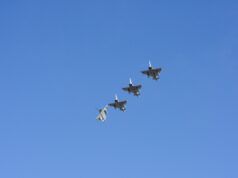
Collaborative Combat Aircraft, sometimes called loyal wingman drones, are uncrewed jets intended to fly alongside crewed fighters, extending sensor coverage, carrying additional weapons or acting as decoys while a human pilot in a crewed aircraft retains overall control of the mission. Several allied air forces are pursuing similar concepts, including the US Air Force’s own CCA programme, and the approach is central to plans for both GCAP and other sixth-generation fighter efforts, in which manned aircraft are expected to operate with a formation of autonomous escorts rather than alone.
The answer is linked directly to GCAP, the trinational fighter programme with Italy and Japan for which a £4.6 billion second contract was awarded to prime contractor Edgewing earlier this month, with the department saying the drone programme will draw on GCAP’s technologies and manufacturing techniques rather than being developed in isolation.




If the UK were under threat, this development would get ‘wartime’ urgency; as it is, we have to wait for the default date of 2030. Yes, that magical date when all UK defence programmes are completed. Apparently, Putin is happy to wait until then to test our mettle. Remember 2030, and all will be fine.
I’m hopeful this time it’ll actually move to a real moving asset rather than a PowerPoint and some ministers headline grabber.
Only realistic way I see to give more mass for Combat Air.
How about Ghost Bat with the Australians as part of AUKUS?
Actually never mind. Our own tech to pair with GCAP makes sense. Ghost Bat to pair with F35s or Eurofighters though in the shorter term?
Elio,
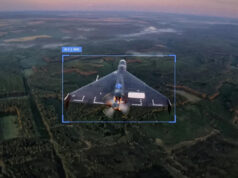
Ghost Bat is built on an Open Mission Systems (OMS) architecture. This means its brain is deliberately designed to not care what brand of fighter jet is controlling it. The UK needs to learn how to operate Loyal Wingman drones now, not in 2035 and because the Australian developed Ghost Bat is already flying operational mock combat missions alongside allied forces in major exercises like Valiant Shield, it is the most mature allied CCA available.
There is active discussion about using the Ghost Bat as a bridge capability for F-35s and Eurofighters today, laying the operational groundwork for how the RAF will eventually use drones alongside GCAP. A core requirement for GCAP is total interoperability with standard Western alliances. Australia is heavily integrated with the UK and US via AUKUS, and the RAAF is a prime candidate to eventually buy into the GCAP ecosystem or operate alongside it. Making sure the RAAF’s primary combat drone; Ghost Bat can seamlessly pair with the UK and Japan’s next gen fighter is seen as a baseline requirement for future coalition warfare.
… and don’t forget, BAE Systems Australia actually provides the core Vehicle Management System (VMS) and flight control computers that allow Boeing’s MQ-28 Ghost Bat to fly autonomously. Working intimately on the Ghost Bat gives BAE front-row data on how operational CCAs behave.
A least? Is that at latest or at earliest?
Pity we are playing catch up but at least we are in the game….. oh wait, hang on what about Taranis?? Wasn’t that an unmanned UCAV demonstrator? And it was the size of a Hawk jet trainer and was flying 13 years ago, surely with the work already done we should be looking at a fully combat capable in service aircraft by 2030, if not before…….
Why didn’t Taranis become a leader of the pack? It probably could have been made carrier launcherable…if that’s a word?
I keep thinking about Taranis, first read about it almost 20 years ago now. Should already be in service, let alone 2030. Let those things do the long-range fighty stuff and the (too few) F-35s to direct them using sensors and maintain fleet air defence. Might be showing my ignorance with the latter point…
We already flew the Taranis in 2014. Probably the most advanced UCAV in the world. And then did nothing. Get on with it! BAE UK Plc fund it themselves to show how ‘Giant’ they are!