

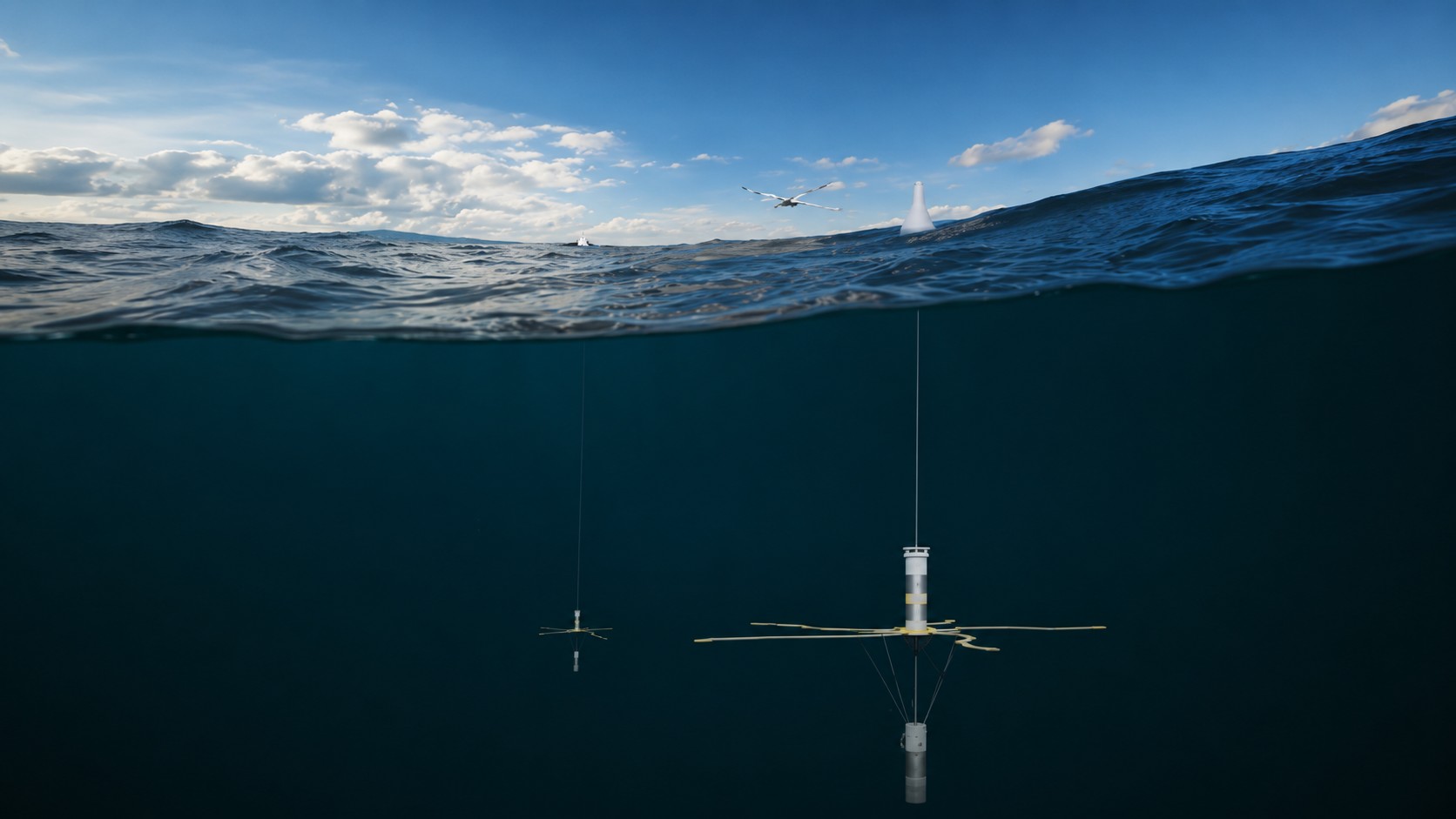
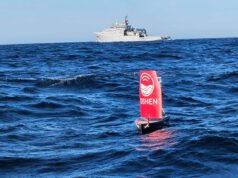
Ultra Maritime has completed the first in-water deployment trial of its next-generation Multistatic Active Receive Sonobuoy in Scotland, in what the company describes as a significant milestone for British anti-submarine warfare, the company has said.
The system, known as MSARS, is designed to deliver improved performance over the sonobuoys currently used by the Royal Navy, and Ultra Maritime says the trial comes amid increasing Russian submarine activity in the North Atlantic, where the enhanced detection and localisation of threat submarines and unmanned underwater vehicles has become critical to maintaining an operational edge.
Sonobuoys are the expendable acoustic sensors dropped into the sea by aircraft and helicopters to listen for submarines, with multistatic systems using separate sources and receivers to build a clearer picture of what is moving beneath the surface.
To speed the system into service, Ultra Maritime says it is working with General Atomics to integrate MSARS and other G-size sonobuoys onto the MQ-9B SeaGuardian, the maritime variant of the large uncrewed aircraft. As the only manufacturer of G-size sonobuoys, the compact buoys best suited to unmanned aircraft, the company says it is well placed to extend operational reach, increase sonobuoy payload capacity and support distributed multistatic anti-submarine operations from uncrewed platforms.
The work has been developed under the sponsorship of the Defence Science and Technology Laboratory, the Ministry of Defence agency that sits within the National Armaments Director Group, and Ultra Maritime says it supports the objectives of the Atlantic Bastion programme, the British initiative aimed at scaling up autonomous anti-submarine capabilities while also enhancing crewed platforms such as the Merlin Mk2 helicopter.







I’ve gained $17,240 only within four weeks by comfortably working part-time from home. Immediately when I had lost my last business, I was very troubled and thankfully I’ve located this project now in this way I’m in a position to receive thousand USD directly from home. Each individual certainly can do this easy work & make more greenbacks online by visiting
following website—.,.,.,.,.—>>> JobatHome1.Com
Stupid idea from the unknowledgeable.
Get why you drop these things out an aircraft or chopper..
But…couldn’t one be attached to a winch on a small vessel…drone if you like …to be used as a small cheap multi-use sonar?? Have a “cloud of drone boats or submersibles to provide some persistence.
Sorry. AA
What happens to these once their battery is depleted? do they drift until they hit land or sink themselves?
i understand once they have completed there mission they sink to the bottom