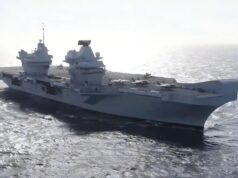
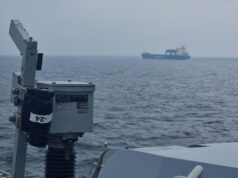
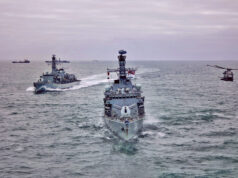
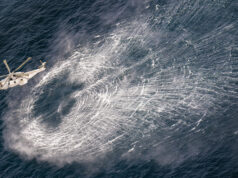
Allied naval forces have conducted high-intensity maritime operations in the Arctic as part of Cold Response 2026, a major NATO exercise designed to test readiness in one of the most demanding operational environments, according to NATO Maritime Command.
Standing NATO Maritime Group One (SNMG1), under Spanish command, operated as part of the exercise’s maritime component, Dynamic Mariner, which was led by the UK’s Commander UK Strike Force and coordinated naval activity across the wider exercise area.
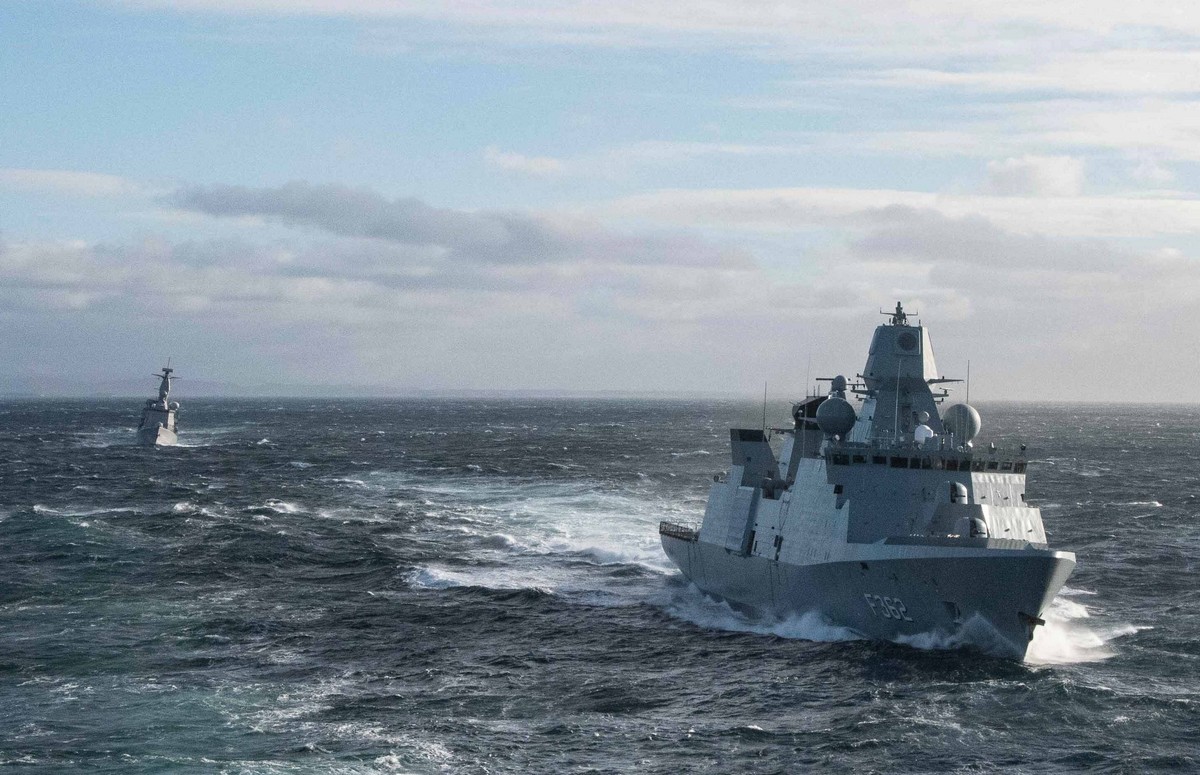
The task group brought together a multinational force including the Spanish flagship Almirante Juan de Borbón, alongside Spanish, German and Danish frigates, with ships undertaking a broad set of warfare activities spanning air defence, anti-submarine and anti-surface warfare, electronic warfare, boarding operations and helicopter integration.
Scenarios centred on escorting and protecting amphibious forces, with participating vessels delivering layered defence across multiple phases of operations, reflecting the kind of integrated naval task group activity expected in a high-end conflict environment.
Operations were conducted in the challenging conditions of the High North, where icy waters, narrow fjords and rapidly shifting weather placed additional demands on navigation and coordination, requiring close integration between allied crews.
The wider Cold Response 2026 exercise involved more than 25,000 personnel from 14 nations across land, sea and air domains, providing a large-scale test of NATO’s ability to deploy, integrate and sustain forces in the Arctic, where the Alliance has been placing increasing strategic emphasis in recent years.