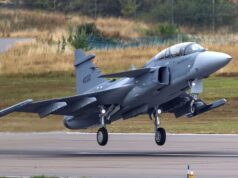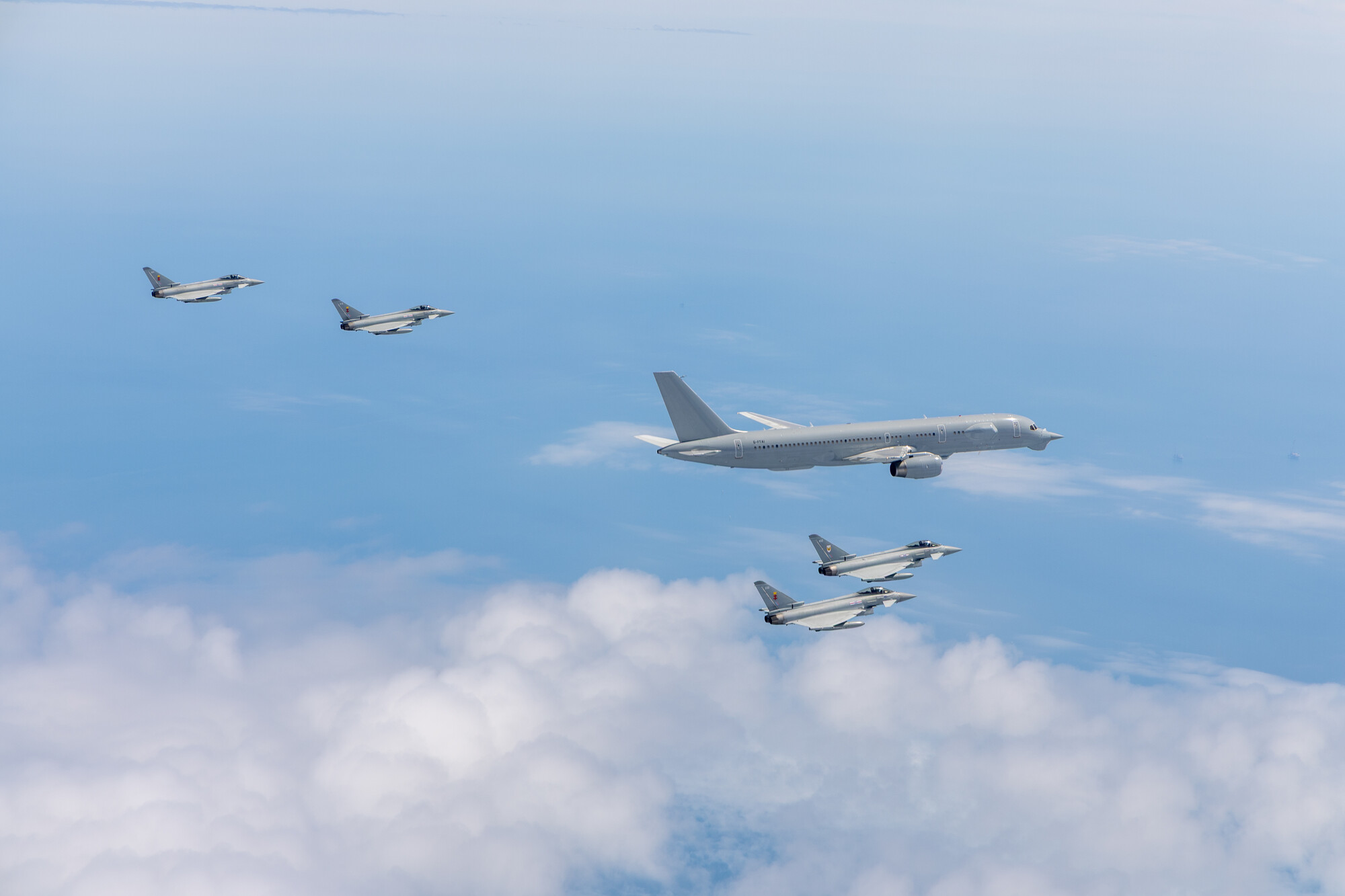
The Excalibur Flight Test Aircraft, the UK’s flying laboratory for next-generation combat air technologies, has completed its modifications and entered the next stage of flight trials, the Team Tempest partners stated.
The milestone was announced as part of a wider set of updates from the partnership between the Ministry of Defence, BAE Systems, Leonardo, MBDA and Rolls-Royce on technology programmes supporting the UK’s Future Combat Air System and the Global Combat Air Programme. According to the partners, the aircraft is now ready to test integrated sensing and communications systems intended for the next-generation fighter.
Developed by Leonardo and 2Excel, the Excalibur aircraft acts as an airborne testbed used to fast-track trials of advanced integrated systems. The company says it supports more than 300 jobs across the UK and will serve as a real-world electronics testbed for digital technologies under development by Leonardo, known as ISANKE, or Integrated Sensing and Non-Kinetic Effects, and ICS, its Integrated Communications Systems.
Richard Berthon, Director of Future Combat Air at the Ministry of Defence, was quoted in the press release as saying: “These achievements demonstrate the pace and scale of progress being delivered through the Team Tempest enterprise. From advanced digital manufacturing and flight testing to next-generation propulsion technologies, we are maturing the critical capabilities needed to deliver a world-leading Future Combat Air System for the UK. The expertise, skills and technologies being developed today are not only reducing risk for GCAP, they are strengthening our sovereign combat air capability and ensuring the UK remains at the forefront of air power innovation for decades to come.”
According to the partnership, flying the sensing and communications payloads on a testbed aircraft ahead of the fighter’s own development is intended to reduce risk to GCAP by proving the systems in real-world conditions. The integrated sensing and communications work sits at the core of what the partners describe as the sixth-generation capability sought for the aircraft, drawing together the sensors, data and non-kinetic effects the crew would rely on in a contested environment.