

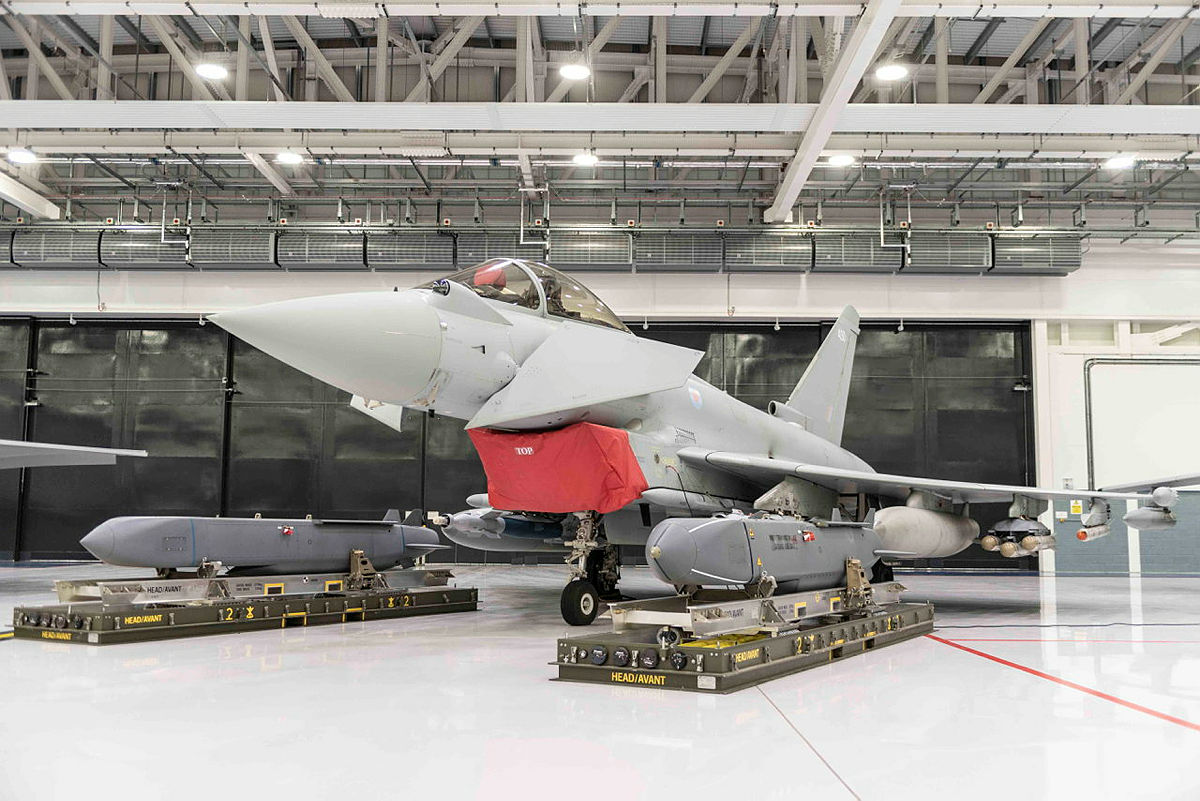
Storm Shadow will remain in service with the British armed forces for the foreseeable future, with £1.4 billion committed in the Defence Investment Plan to STRATUS, the successor programme that will deliver a long range strike capability against complex targets for the Royal Navy and the Royal Air Force in the 2030s, according to an answer given in Parliament.
James MacCleary, the Liberal Democrat member for Lewes, asked when Storm Shadow deep strike capable missiles will be withdrawn from service.
Luke Pollard, the Minister of State for Defence, said: “Storm Shadow is a combat-proven, long-range, precision cruise missile that will continue to be in-service with the UK Armed Forces for the foreseeable future. The Defence Investment Plan provided £1.4 billion investment in the STRATUS programme, which is the successor to Storm Shadow, and deliver a long range strike capability against complex targets for both the Royal Navy and Royal Air Force in the 2030s.”
Storm Shadow entered RAF service in the early 2000s and has been fired in anger over Iraq, Libya and Syria, and the missiles Britain supplied to Ukraine have been used against Russian command posts, naval headquarters and bridges, which is where the combat-proven description comes from. The weapon is carried by Typhoon in British service, flies at low level to a preplanned target and uses a tandem warhead designed to defeat hardened structures.
STRATUS emerged in this year’s investment plan as the British contribution to the deep precision strike work that Britain has been leading inside NATO, and this publication reported in the summer that the United Kingdom was committing to the future of long range strike capability and has since covered the rise in spending on long range missiles.
A separate answer the same day set out the wider direction, with Pollard telling Andrew Rosindell that the department is “continuing to alter the balance of expensive complex weapons with emerging cheaper alternatives, such as the next generation of low-cost cruise missiles.” Expensive weapons that can reach strategic targets in ways that are hard to defeat are being bought alongside cheap ones that can be fired in quantity, which is the lesson the department says it has taken from Ukraine.








For the half dozen we have left.