Britain’s attack submarine fleet spent the summer tied up in harbour while Russian activity around British waters increased, and the availability of escorts for the ballistic missile boats that carry the nuclear deterrent is among the consequences raised, according to a briefing paper published by the 878 Institute.
The paper, the first in a planned series on the condition of the Royal Navy, opens by saying: “The Royal Navy is gripped by a critical but needless decline in strategic capacity, as demonstrated by a steep reduction in both mass and readiness.
“This comes at a time of intensifying maritime competition and growing threats to British national interests. These threats are most acute in and around British waters, as Russia’s submarines, warships and even its shadow-fleet carrying illicit Russian oil across the globe, are all increasing their operations off Britain’s coasts.”
It records that the Royal Navy spent twenty-one days in July alone monitoring Russian ships, that operations to track Russian activity rose twenty-five per cent on the previous year, and that Russian warships made repeated voyages through the Dover Strait and the North Sea. Ministers have confirmed that Moscow uses commercial proxies to threaten undersea infrastructure, and the paper cites analysis uncovering five hundred incidents of Russian civilian vessels loitering above cables.
Concerns about the frigate and destroyer fleets are set out alongside the navy’s transition to automation through the hybrid navy concept, before the paper turns to its main subject. It says: “However, it is in the submarine fleet that we see an especially stark vulnerability and where, due to its purposes, creates unique threats to Britain’s security.”
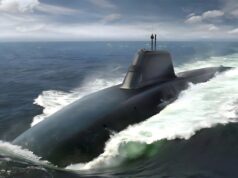
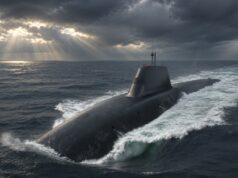
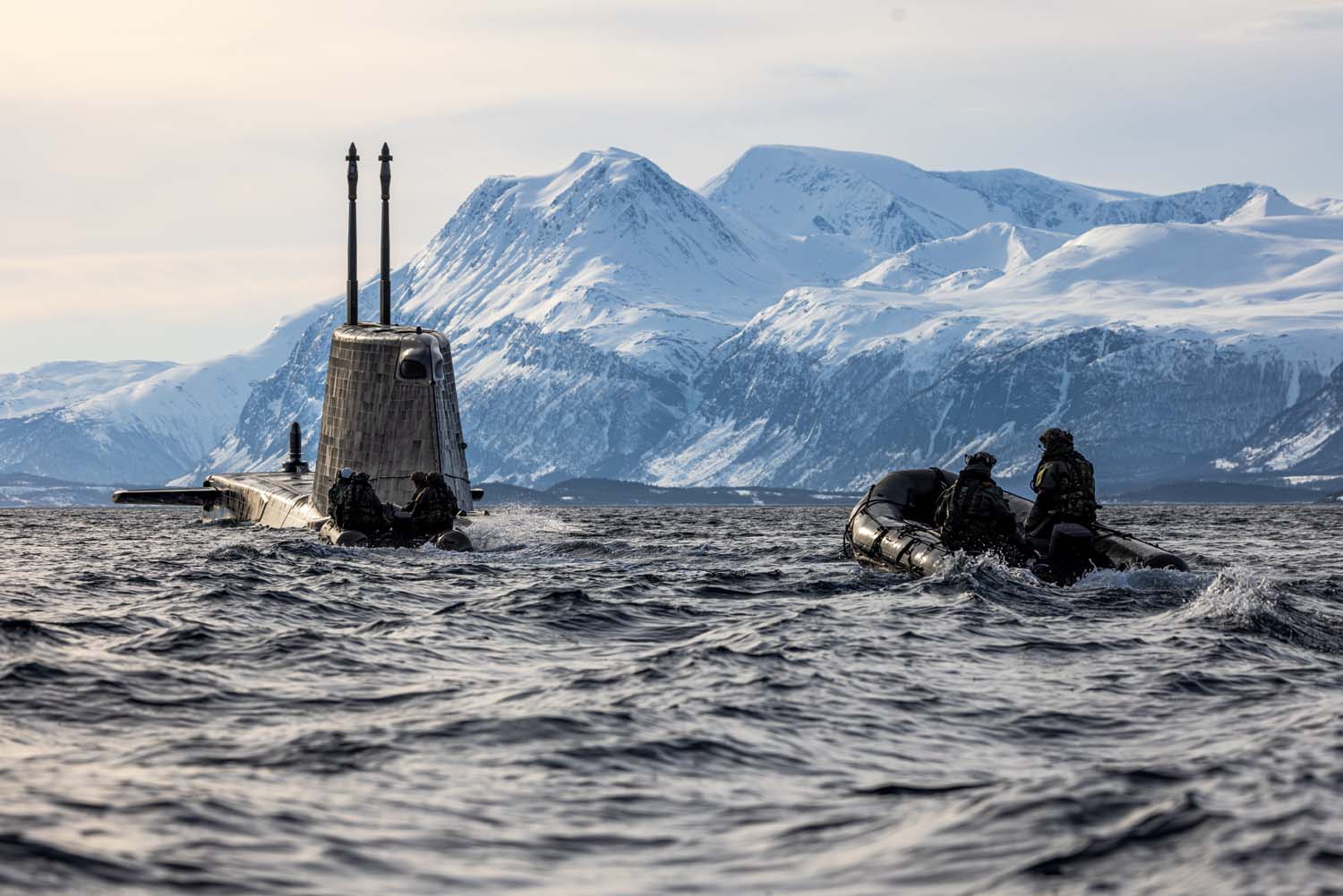
On the Astute class, which numbers five in service with two more being readied, the paper states: “Despite maintaining a fleet of five vessels, it was reported that not a single Astute-class submarine was operationally deployed through summer 2026, and that all five remained laid-up in British harbours. Only HMS Agamemnon (one of the two planned additions to the five in service) is at sea conducting trials.
“This is deeply concerning, given both the rise in Russian sub-surface activity around British waters, but perhaps more worrying because of the lack of available escorts for Britain’s nuclear deterrent.” That finding draws on reporting by Navy Lookout, and the Ministry of Defence does not comment on submarine operations.
Turning to the four Vanguard boats, the paper acknowledges that deployment cycles are not discussed publicly and then sets out what it describes as widely understood. It says: “Due to the nature of their deterrent, HM Government rightly does not comment on their deployment cycles or current state. However, it is widely understood that the fleet has been in a poor state for some years.”
Designed for patrols of three to four months, the boats have run planned patrols of under a hundred days well past that mark. The paper says: “Most SSN- and SSBN-operating navies view 100-day patrols as the sensible maximum; at least the last ten deterrent patrols all exceeded five months in duration, up until April this year, with the last coming in at over 200 days, apparently becoming the new normal.”
On the four Dreadnought boats due in the early 2030s, the paper argues that work on their successor cannot wait, since each is designed for thirty years of service and the build alone takes twenty. The Ministry of Defence accepted the Strategic Defence Review’s recommendation to begin early definition and requirement-setting during this parliamentary term, a pledge affirmed in July, and the paper says: “However, this pledge was only affirmed in July 2026, and there have been no major announcements since; with only two full Parliamentary years left before the next General Election must be called, the Government needs to properly commit to Dreadnought’s successor at the earliest opportunity.”
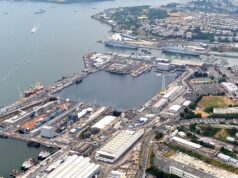
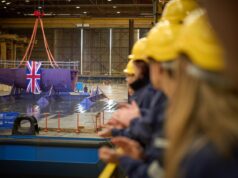
The sharpest warnings concern SSN-AUKUS, where steel cutting on the first British boat is scheduled at Barrow-in-Furness in 2027. The paper says: “Given the likely concurrent Astute and Dreadnought programmes, the sole UK submarine construction site in Barrow-in-Furness risks facing acute labour shortfalls as soon as SSN-AUKUS begins. In the meantime the site has added only about 500 workers against a required 2,500 to run the parallel Dreadnought and SSN-AUKUS build lines.
“The projected build-timeframes for SSN-AUKUS are also deeply concerning. Astute-class boats averaged 128 months to build; SSN-AUKUS are projected to take only 18 months each. This feels unrealistic, and risks cost overruns, delays, supply-chain over-stretch, and potentially an even bigger ‘submarine gap’.”
Describing the programme as Pillar One of AUKUS and saying it must not fail, the paper adds: “However, without guarantees of resource from HM Government that are currently absent, and instead a vague pledge of total vessels built, a lack of political leadership and gaps in the defence-industrial base, Britain risks being the weak link in the partnership.”
Four recommendations follow, covering a firm commitment to twelve SSN-AUKUS boats at the spring Spending Review in 2027, increased resources for the Astute class to clear maintenance backlogs and dockyard constraints, a standing requirement for two of the five Astutes to be deployable and operational at all times, and the commissioning of the Dreadnought successor definition phase by the close of 2027.
The 878 Institute published a broader paper on British deterrence gaps in August, which UKDJ reported at the time, covering land, space and naval capability with a foreword by General the Lord Dannatt. The Defence Committee reported this month that Britain has allowed its under-ice submarine capability to lapse and that the department has accepted an anti-submarine warfare gap in northern waters, and the Defence Investment Plan commits £63 billion over four years to the nuclear enterprise.