

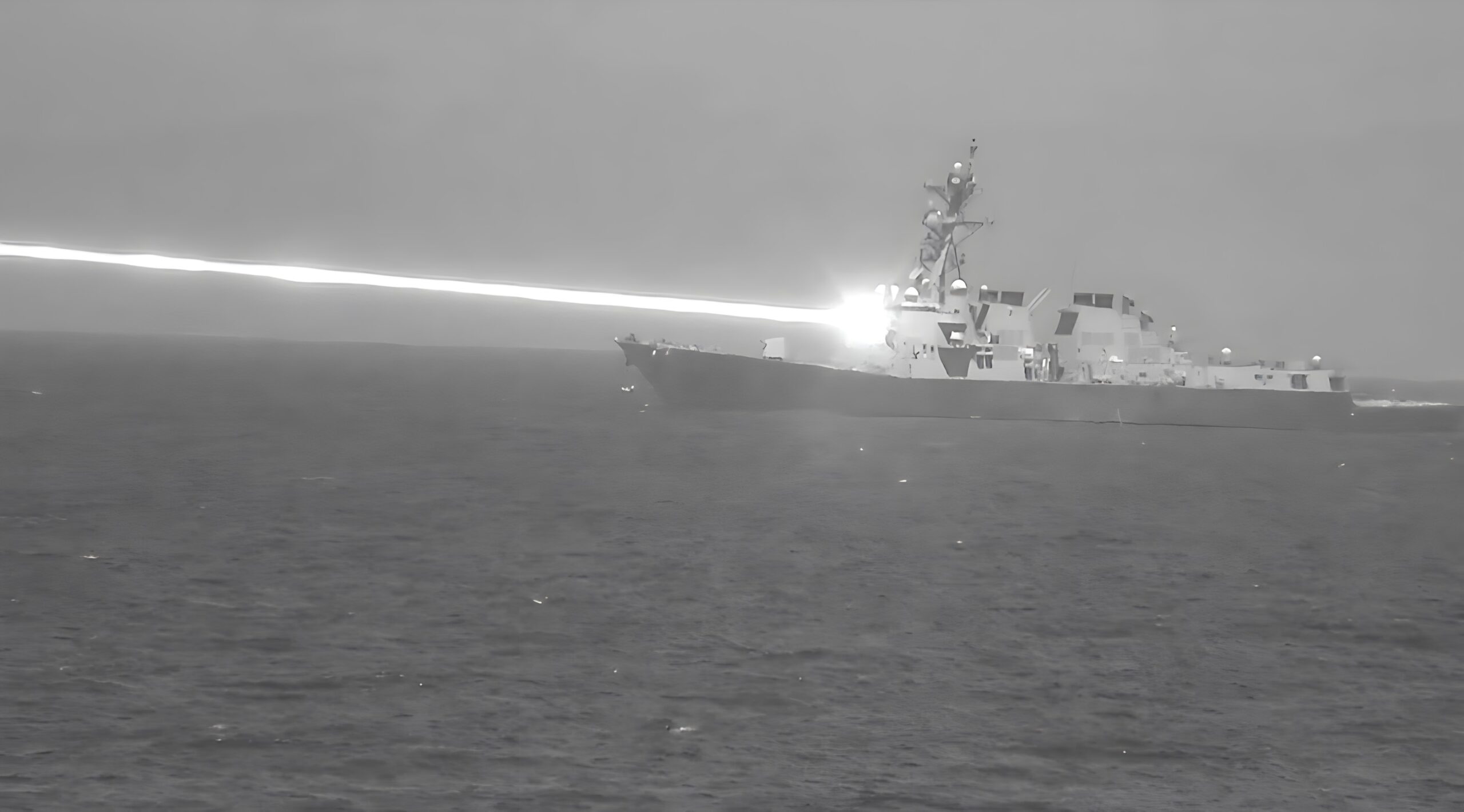
The US Navy has confirmed that a frontline destroyer has successfully used a ship-mounted laser weapon to defeat multiple uncrewed aerial threats during a recent at-sea demonstration.
According to Lockheed Martin, the Arleigh Burke-class destroyer USS Preble employed its High-Energy Laser with Integrated Optical Dazzler and Surveillance system, known as HELIOS, to engage and neutralise four drones during a Navy-run counter-UAS event. The activity took place last year and was disclosed publicly as part of the company’s latest financial update.
Lockheed Martin chief executive Jim Taiclet said the demonstration showed how lasers could provide a practical alternative to traditional missile-based defences for close-range threats. He described the system as having successfully knocked incoming uncrewed aircraft out of the sky, highlighting the potential to conserve expensive interceptor missiles for higher-end targets.
“Speaking of amazing technology, we successfully used the shipboard laser system, Lockheed Martin’s Helios, to knock an incoming UAV right out of the sky. The Helios weapon system successfully neutralised four drone threats in a US Navy-operated counter-UAS drone demonstration at sea, showcasing an opportunity to eliminate drone attacks using lasers and saving US and allied air defence missiles for more advanced threats.
This development of laser weapon systems is just one example of Lockheed Martin’s support of the Homeland Defence Mission, including Golden Dome for America. We also continue to collaborate with government and industry in our prototyping environment at our Center for Innovation in Virginia to support the command and control aspects of Golden Dome.”
HELIOS is a roughly 60-kilowatt class laser integrated directly into the Aegis Combat System, allowing it to be operated alongside conventional radar, sensors and weapons. Installed aboard USS Preble, a Flight IIA Arleigh Burke-class destroyer, the system is designed to perform both so-called soft-kill functions, such as dazzling or degrading optical sensors, and hard-kill engagements by heating and damaging the structure of a target.





Where’s Dragonfire?
Daenerys Targaryen is waiting in the wings with 3 dragon eggs. No where near the point of her uttering the word “Dracarys” though it would seem.
It is perhaps an annoying project as we seem to have heard little.
Either it is a success or a failure.
Perhaps they have built a few thousand ready to protect every UK asset we have.
Perhaps like the Americans they are keeping progress under the radar..
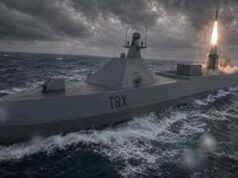
Reported to be available in 2027?
Reported to be redesigning a smaller unit?
Who knows, but RN needs it on T45 ASAP.
The Army and RAF could use a mobile system to support local defence.
Yes and apparently 4 ships will be equipped in 2027.
Are we thinking T31 and T26 ignoring the T45.
Something does seem to be happening.
You think 4 type 31s and type 26s will be ready next year? Seems a tad doubtful.
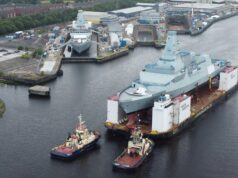
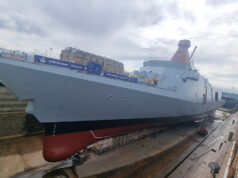
Well Glasgow seems ready for testing with another T26 maybe a year / 18 months behind.
There will be pressure on the T31s to get moving their selling points were cheap and speedy. Plus they want to sell more at home or abroad.
That said the T45 does seem like the most suitable place for them.
In theory putting at least one on each platform seems sensible plus maybe putting one on a carrier.
If three T45 undergoing maintenance or PIP just now got to hope it’s T45. Don’t see T31 getting Dragonfire when they are getting 40mm.
T45 seems the logical place.
Personally I would expect them everywhere if they work well.