

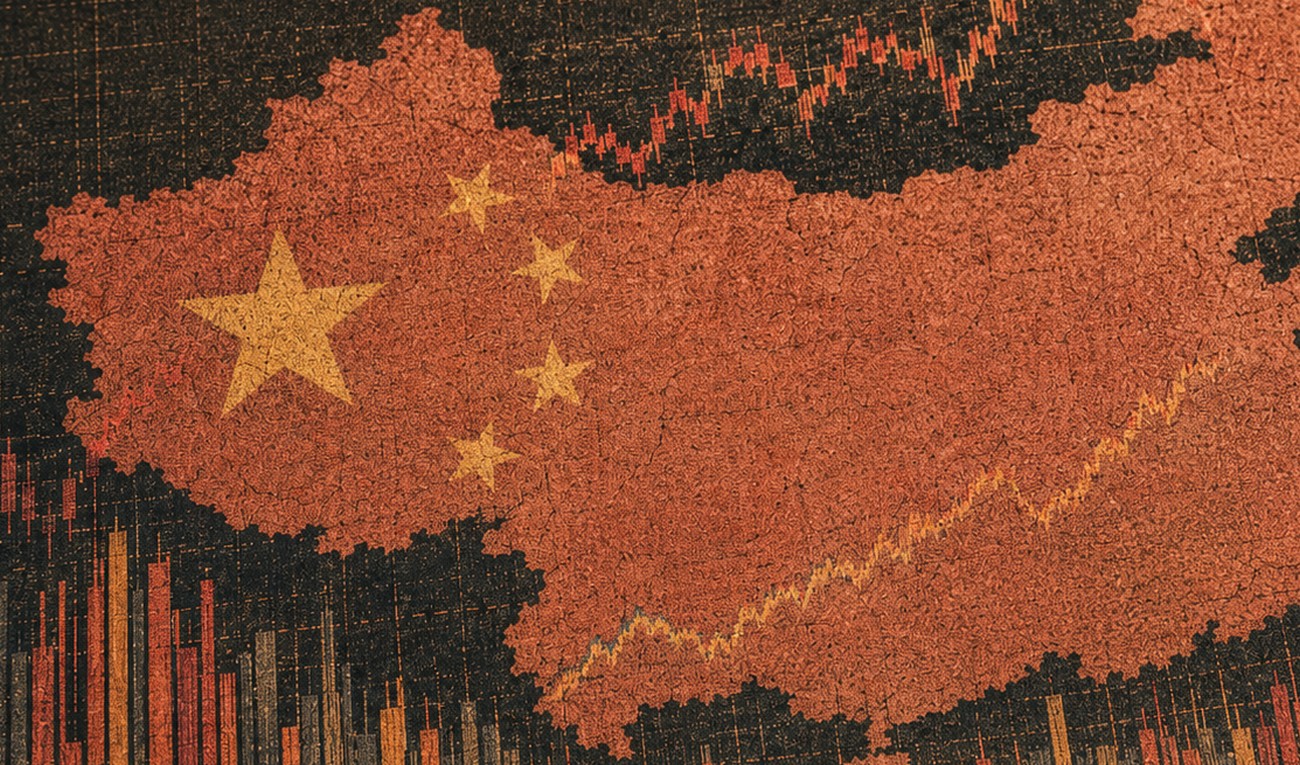
The European Union’s decision to deploy its anti-circumvention tool against Kyrgyzstan marks a significant shift in sanctions policy, but experts at a CEPA press briefing this week acknowledged the harder question: whether the same logic could ever be applied to China, identified in a new report as the most consequential enabler of Russia’s sanctions evasion.
In April 2026, as part of its 20th sanctions package against Russia, the EU activated a mechanism allowing it to ban the export of certain sensitive technology to an entire country rather than targeting individual companies. The tool had existed since June 2023 but had never been used, and its activation against Kyrgyzstan followed repeated individual company designations and diplomatic outreach that failed to stop the systematic re-export of controlled goods to Russia.
Mihkel Märtens, author of the CEPA report that informed the briefing, described the pattern in stark terms. “If you would have asked anyone working in EU sanctions five years ago whether the EU would start adopting anything remotely resembling secondary sanctions, they would have just laughed at you,” he said. “But now, with every new sanctions package, we’re seeing dozens of companies registered in third jurisdictions being put on sanctions lists.”
The Kyrgyzstan measure, he argued, represented the breaking of a further taboo: sectoral restrictions against an entire third country. “The EU banned the export of some goods to Kyrgyzstan because the efforts taken so far hadn’t stopped the re-export to Russia,” he said.
The question of whether that same approach could be applied to China received a more cautious response. Märtens noted that the EU had sanctioned significant Chinese refiners of Russian crude, including the Liaoyang Petrochemical Company and Shandong Yulong Petrochemical Company in late 2025, producing tangible results as non-Russian suppliers severed ties with blacklisted firms. But a sectoral ban on technology exports to China of the kind now applied to Kyrgyzstan would be an entirely different proposition, politically and economically.
Kyrgyzstan is a small, landlocked country with limited leverage over the EU. China is its largest trading partner. Whether the trajectory of EU sanctions policy eventually leads toward China, or whether the economic and diplomatic stakes make such a move effectively off the table, remains one of the more consequential open questions in Western sanctions strategy. Whether Kyrgyzstan proves a turning point or simply a manageable example made of a minor actor is a question policymakers have not yet had to answer publicly.










I’ve gained $17,240 only within four weeks by comfortably working part-time from home. Immediately when I had lost my last business, I was very troubled and thankfully I’ve located this project now in this way I’m in a position to receive thousand USD directly from home. Each individual certainly can do this easy work & make more greenbacks online by visiting
following website—.,.,.,.,.—>>> LIVEJOB1.COM