

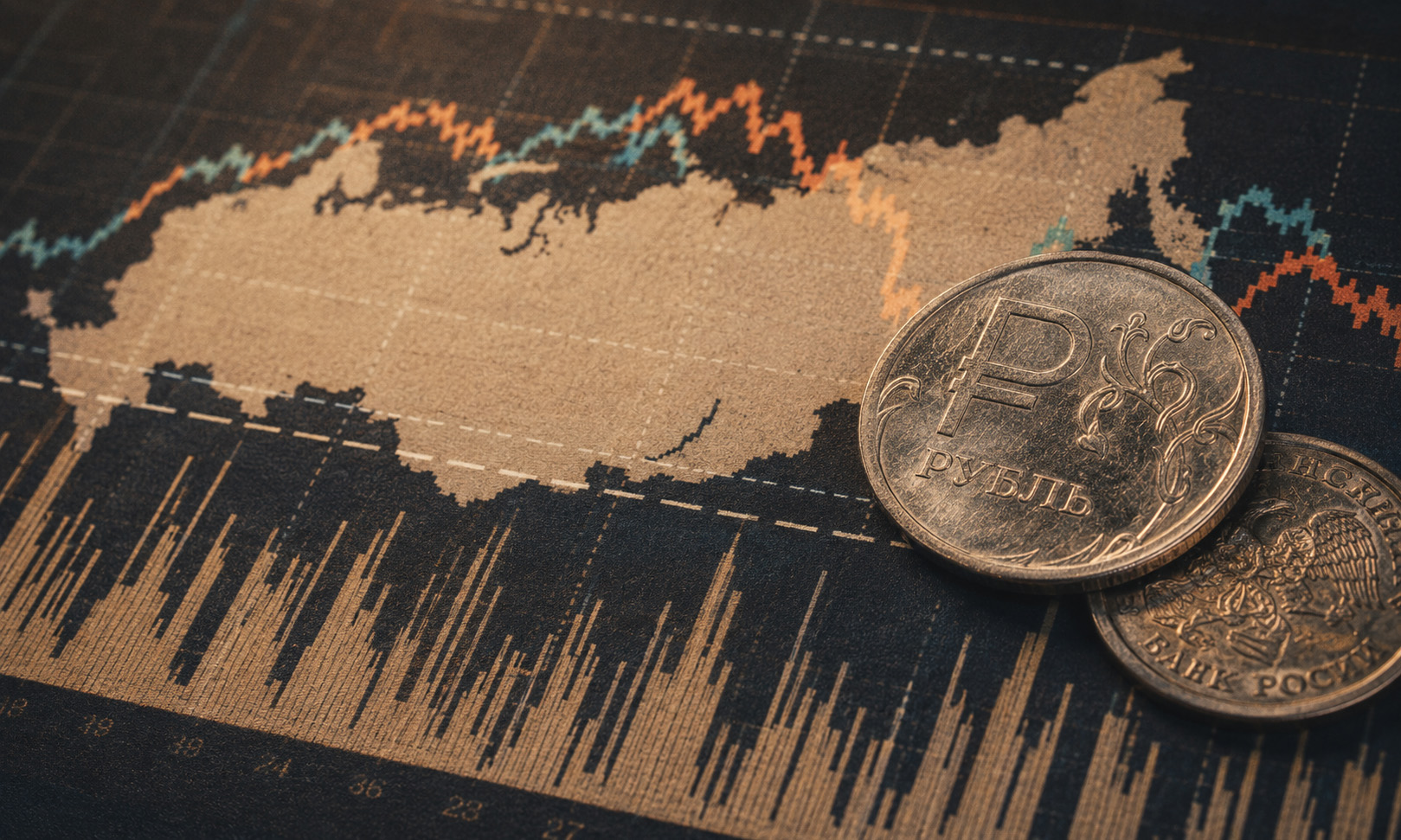
Western legal frameworks designed to sanction foreign banks enabling Russia’s war economy risk becoming ineffective if not backed up with consistent enforcement action, a senior sanctions expert has warned.
The warning came in response to a question from UK Defence Journal at a Center for European Policy Analysis (CEPA) press briefing on Tuesday, which asked whether the US had effectively been issuing empty threats while Russia’s enablers grew bolder, given that only one bank had ever been designated under broad legal frameworks constructed specifically to target foreign financial institutions enabling Russia.
Mihkel Märtens, author of a new CEPA report on third-country sanctions enablers, acknowledged that the gap between legal architecture and actual designations was eroding deterrence.
Despite the United States constructing broad executive order frameworks under the Biden administration authorising sanctions on foreign financial institutions involved in significant transactions with Russia’s military-industrial base, only one institution, Keremet Bank in Kyrgyzstan, has been designated under those powers to date.
Märtens stopped short of describing the situation as empty threats, but was pointed in his assessment. “I would argue that the credibility of sanctions has been damaged by the fact that these legal mechanisms are not operationalised more quickly and in bigger numbers,” he said.
He drew a direct link between public messaging and deterrent effect, warning that if the current administration signals openly that it is not considering new sanctions on Russia’s enablers, the implied threat of secondary sanctions loses its force. “If the policymaker states out loud that there isn’t a threat, well then you grow emboldened, then you can continue business with those sanctions subjects,” he said.
The financial sector, Märtens argued, represents a strategic choke point that has not been targeted with sufficient urgency. “Russia needs access to a lot of foreign components, foreign goods for its military industry. If there’s physical goods moving into Russia, then there’s also payments coming out of Russia,” he said, describing the financial system as the connective tissue linking Western exporters to Russia’s war machine.
The report notes that the deterrent effect of sanctions frameworks fades over time as market operators calculate that the economic benefit of continuing risky business outweighs the sanctions risk. The longer a legal framework sits unused, the more that calculation shifts in favour of those seeking to circumvent restrictions.
Märtens was also critical of the current pace of US designations more broadly. “The EU has stepped up tremendously,” he said. “Perhaps it would also be time for Washington to step up as well.”







I’ve gained $17,240 only within four weeks by comfortably working part-time from home. Immediately when I had lost my last business, I was very troubled and thankfully I’ve located this project now in this way I’m in a position to receive thousand USD directly from home. Each individual certainly can do this easy work & make more greenbacks online by visiting
following website—.,.,.,.,.—>>> JobatHome1.Com