

Twelve NATO allies have launched a new multinational project on critical raw materials for defence, aimed at strengthening the resilience of the supply chains on which defence production depends, the alliance has announced.
The High Visibility Project, unveiled by Secretary General Mark Rutte at the NATO Summit Defence Industry Forum in Ankara on Tuesday, focuses on the acquisition, storage, transport and management of critical raw materials, components and recycled products essential for defence production. “For our defence to remain ready and strong, we need our industrial base and our supply chains to be resilient,” Rutte said, with the alliance describing the project as reflecting allies’ determination to reduce vulnerabilities in strategic supply chains and secure more stable access to critical materials through closer cooperation.
The participating nations are Belgium, Canada, Denmark, Finland, Greece, Italy, Luxembourg, the Netherlands, Norway, Spain, Sweden and Turkey. The United Kingdom is not among them.
Critical raw materials have moved up the defence agenda as rearmament across the alliance has collided with concentrated global supply. Rare earth elements used in the magnets of precision weapons, fighter aircraft and submarines, along with materials such as titanium, tungsten, gallium and the chemical precursors for explosives and propellants, are in many cases mined or processed in a small number of countries, with China dominating the refining of several and having demonstrated its willingness to restrict exports. The surge in ammunition and equipment production now under way across NATO has exposed how quickly shortages of such inputs can constrain output regardless of how much funding is available.
The UK is addressing the same problem through national routes. The Defence Investment Plan commits to beginning sovereign production of critical energetics and explosives, materials for which the UK has relied heavily on overseas suppliers for nearly two decades, alongside at least six new energetics factories by 2030 within the £11 billion munitions package, while the plan’s nuclear provisions include a Future Materials Campus to transform nuclear material manufacturing, storage and recovery.
The raw materials initiative is the latest in the series of High Visibility Projects announced at Ankara, through which groups of allies pool efforts on shared industrial and capability problems, following the pattern set a year after allies committed at The Hague to spend 5 per cent of GDP on defence and security by 2035 and to ramp up defence production across the alliance.
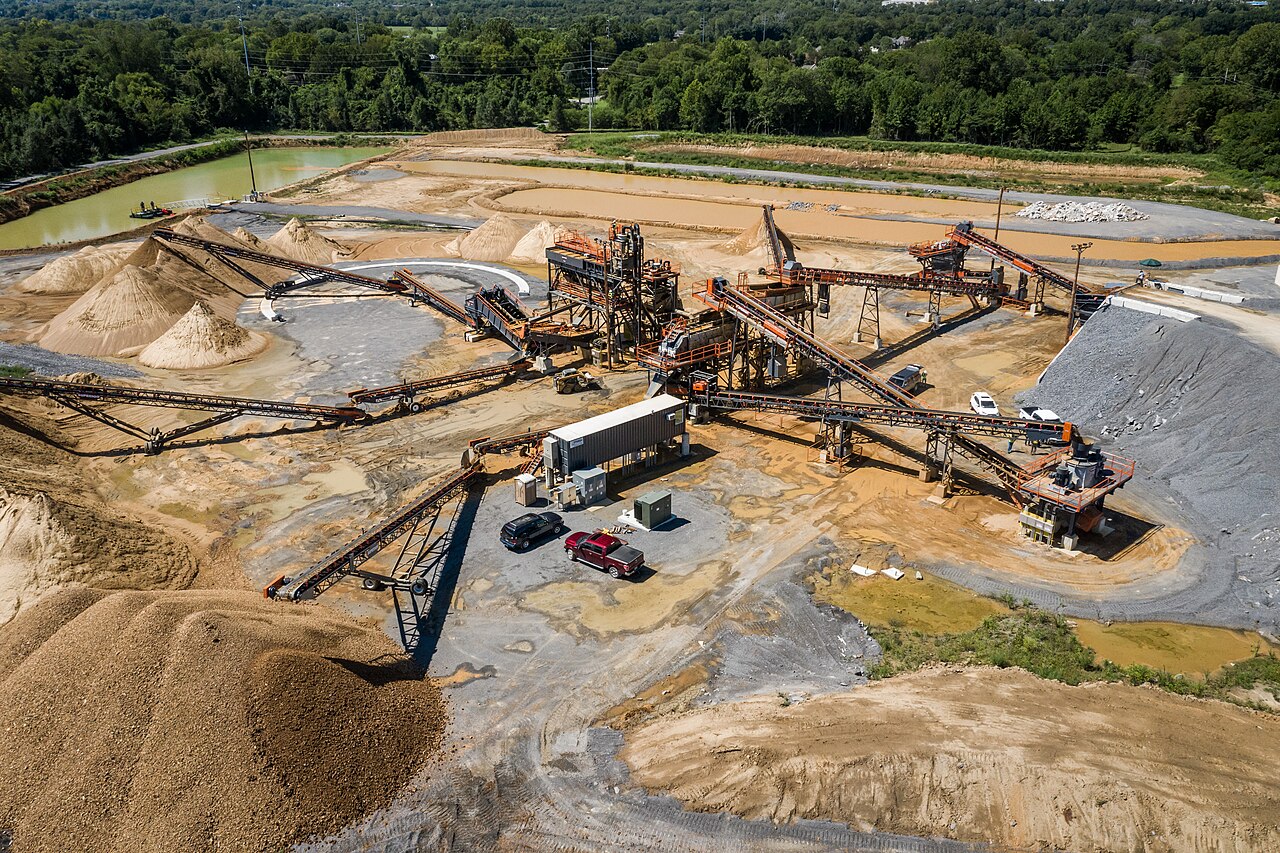
Image Corey Poppe, CC BY-SA 4.0, via Wikimedia Commons.





12 NATO members launch a raw materials project without the UK, France, Germany, Poland and 16 other NATO members.
Just a helpful aid for those that read the headline and not the article. 😀
The UK is forming a committee to formulate a proposal for a policy document to discuss the possibilities that may be of interest should a positive outcome be considered appropriate in 2030.
Woah, woah, woah, hold your horses a minute. I don’t think they’ll be THAT decisive.
No Novice
Not quite right the UK govt is forming a plan!
My friend Sir Humphrey Appelby has told me that it has to be submitted to numeous civil service departments and quangos for their measured input and will be decided after due diligence and it’s findings will be submitted to whoever is in power after 5 more primeministers and 20 defence secretaries have come and gone
So maybe 2035
Deliberate or accidental obfuscation? Why?
There are 32 Nations currently in NATO.
12 are taking part in this project.
20 are not.
The point being made is what?.
What an absolute waste of our time.
The article is good and informative on the topic. The headline might be considered a little cheeky, in my opinion, although entirely accurate. Everyone’s cottoned on to our love for the ‘Great British Gripe’ and the clicking power of those intent on having a good moan. It’s the engine of the world, these days, unfortunately. There I go! Moaning myself now. 😀
One would have thought that click bait is not required on this site.
Laughing Emoticon agrees…
So we now have NATO, ‘ENATO’ and ‘RMPNATO’ 👀
I may be wrong but I suspect that major, or certainly the potential major suppliers of much of the rare earth materials are Canada and Australia. Certainly the US currently gets practically all its tungsten, vital in weaponry and munitions from Canada and is trying to find other sources as a result due to Trump’s stupid antics. I would suggest that this looks like a coalition of mostly smaller Countries without secure supplies, plus big supplier Canada to arrange and finance joint reliable access to these materials which as individuals might present problems for them. Britain, (with historical access to two of the largest mining companies) France and Germany which actually controls one of the largest present mines in Canada and transferring supplies to Europe reportedly, presumably don’t need such a joint effort to ensure supply as long as they step up their present efforts and lines of acquisition.
We won’t even drill for oil so there’s no chance this lot would entertain digging for rare earth’s.
🤡
Drill for oil? And what good would that do? Its not going to get any output for at least 12 months. And whichnoil company will own its output?
Norway kept control of its oil, we gave ours to the oil companies for pennies, Noraay have billions, weve got a lot of whinging jocks and old oil wells to block up