

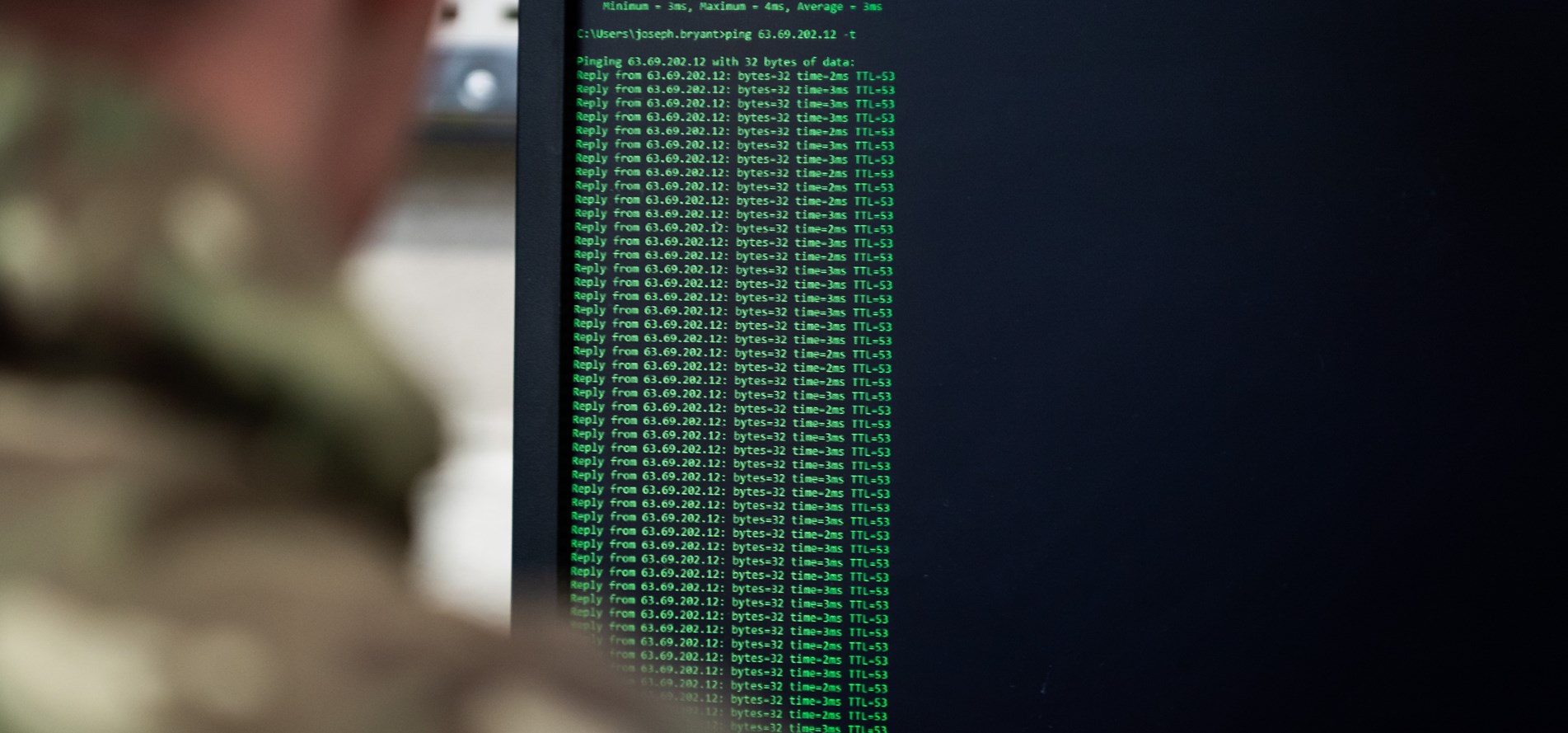
Russian hackers have stolen government login credentials by hijacking Wi-Fi routers and silently redirecting victims’ internet traffic through servers controlled by Moscow, it has been reported, in a campaign that Western intelligence agencies attribute to Russian military intelligence.
The theft of British government logins, reported by The Telegraph on Sunday, stems from a long-running operation by the hacking group known as APT28 or Fancy Bear, which the UK’s National Cyber Security Centre assesses is almost certainly Unit 26165 of Russia’s GRU. The group compromised thousands of poorly secured home and small office routers, including devices made by MikroTik and TP-Link, and altered their settings so that victims’ web traffic passed through Kremlin-controlled infrastructure, a technique known as DNS hijacking.
Once traffic is flowing through their servers, the hackers can redirect users to convincing spoof versions of login pages and harvest passwords along with the authentication tokens that keep users signed in, allowing the attackers to access accounts without needing two-factor authentication codes. Ukraine’s security service, which took part in the international investigation, said the hackers acted as intermediaries in the online space to collect credentials and emails that would normally be protected by encryption.
Research by Lumen’s Black Lotus Labs identified at least 18,000 victims across around 120 countries, with government departments, law enforcement agencies and email providers among those compromised. The NCSC, which published its attribution in April, described the operations as “likely opportunistic in nature,” with the group casting a wide net before narrowing in on targets of intelligence interest as attacks developed.
The FBI, whose Operation Masquerade sent commands to compromised routers on American soil to evict the Russian presence and reset their settings, said the GRU had indiscriminately compromised a wide pool of victims before “especially targeting information related to military, government and critical infrastructure.” Intelligence and law enforcement services from the US, UK, Ukraine, Poland, Germany, Italy, Canada, Romania and other allies took part in the investigation that exposed the network.
The Telegraph’s reporting indicates British government credentials were among the material taken, with the paper describing the operation as hijacking Wi-Fi systems to transfer secrets to the Kremlin. The government has not published detail on which departments were affected or what the stolen logins provided access to.
Graeme Downie, the Labour MP for Dunfermline and Dollar, told the UK Defence Journal the pattern of Russian activity against the UK now spans every domain. “We’ve now had Russian attacks on the UK on land, through poisonings of British citizens and arson attacks on the Prime Minister’s car, in the air through drone incursions, at sea via threats to sub sea cables and now another cyber attack after involvement in the attack on JLR,” he said.
“The government need to rapidly increase UK preparedness and make sure the public know the impact and costs of these attacks on their daily lives. The public will then demand action to protect them from this ongoing conflict with Russia.”
The campaign adds to a lengthening record of Russian cyber operations against the UK as the NCSC and allies formally attributed the Star Blizzard political interference campaign to the FSB’s Centre 18 in April, targeting parliamentarians across parties, and a New York Times investigation last month attributed the Jaguar Land Rover attack, the most economically damaging hack in British history at an estimated $2.5 billion, to a Russian group, prompting Defence Secretary Dan Jarvis to warn that hostile states had realised the most effective way to attack is by quietly hollowing out the economy rather than through direct military confrontation.
The head of the NCSC, Richard Horne, said in April that the most serious cyberattacks against the UK now come from hostile states including Russia, Iran and China, urging British organisations to prepare for large-scale attacks. Advice published alongside the router attribution urges users and organisations to update firmware, change default passwords, disable remote management interfaces and treat unexpected certificate warnings with suspicion.









Wow the mighty Russian government running DNS hijacking’s on 18000 people and small businesses.
What power the GRU has 😂
It is really not rocket science to raise the security levels to avoid this sort of issue.
It’s fairly easy to spot, a little user education would go a long way.
OT – wow great game, insane England managed with 10 for so long against constant attack
Yes, I was about to comment OT, sorry George and the Scots.
ENGLAND!!
That’s ok mate, everyone likes to see an under dog team doing well
Come on England 🏴🏴🏴
👍
We have done the stadium now if we can get to the semi final we can do Argentina… and we can finally put 1986 behind us.. 40 years of injustice.
With the favouritism and corruption on display from FIFA, I’d be surprised,
Did you see the Egypt game? VAR deployed selectively.
Also, we beat the Argies in 98 I think? That was a World Cup game.
98 was a teeth kicking..beckham got sent off in about the 50th min, Sol Campbell had a late header disallowed which sent it to penalties and we lost 😞
Ahh, you’re right. I remember the Sol Campbell goal.
Even a simple tracert can check the route.
I wondered how my blacklist was suddenly becoming more popular this year
In the meantime, Labours “saviour” is still going to go ahead with paying Mauritius billions over the coming years to take the Chagos islands away from us, according to some leaks this morning
I think I’ll worry about our Labour leadership more than whatever feeble threats that Russia represents
Where were these leaks published, haven’t seen anything, can’t find anything on the internet?
No longer leaks. Just been confirmed by a burnham ally this morning on the news. I mean this is Labour at the end of the day so he could always U-turn
But you vote for these dipshits so you know that already 😊
and ?
even the yanks were bugging merkel’s phone !
You useless tosser Jim can’t you post anything worth reading?
He’s a Labour toady so……no?
And it seems 25% of the British public actually support authoritarian governments attacking the UK.. I was an amazing read but it backs up the bizzare comments that you see on things like the telegraph feeds in which people show more support for Putin than their own government… it seems that the far right are the darlings of Putin.. while Iran stirs the pot with religious extremism…