

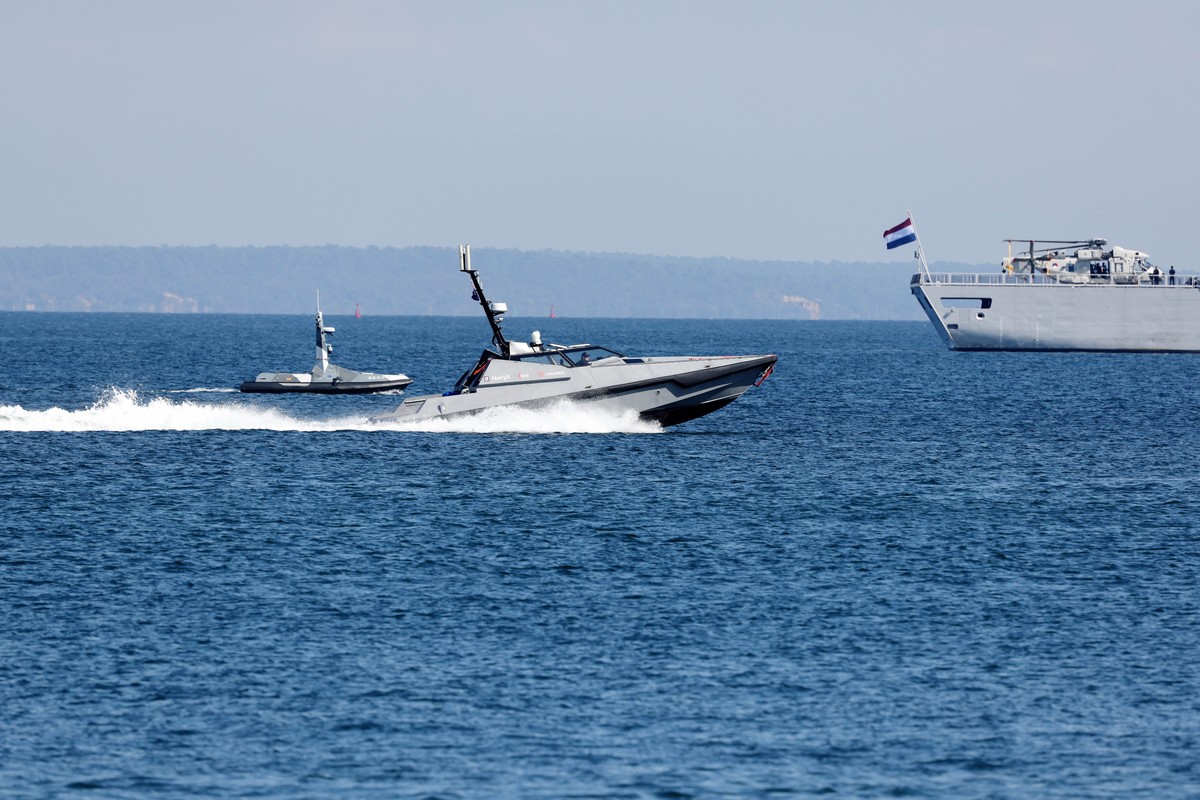
Ukrainian personnel ran maritime operations through the Delta combat system at NATO’s REPMUS 2026 exercise in Portugal, integrating every asset transmitting data to NATO standards including uncrewed aerial, surface and subsurface systems and radars, according to the Ukrainian Ministry of Defence.
The ministry said the exercise “again confirmed DELTA’s compatibility with NATO systems and brought Ukrainian solutions closer to standardization.” All assets transmitting telemetry in line with NATO STANAG 4817 were successfully integrated.
REPMUS, the Robotic Experimentation and Prototyping with Maritime Unmanned Systems exercise, is run annually by the Portuguese Navy and is the largest international exercise focused on employing uncrewed systems in maritime operations. This was Ukraine’s third year taking part.
The ministry said partners and allies “practiced the joint employment of unmanned aerial, surface, and subsurface systems and tested interoperability within multinational forces”, with the Ukrainian team drawn from different services and branches and coordinating its activity through Delta.
Ukrainian specialists trained alongside allies in reconnaissance, maritime area monitoring, manoeuvring, and escort and simulated engagement exercises, and shared combat experience with partners on the employment of uncrewed systems in the maritime domain.
On how the system performed, the ministry said the Ukrainian team noted “DELTA’s uninterrupted operation under unstable connectivity, as well as the ease of streaming in the Vezha module compared with other platforms.” Delta served as the primary command and control platform at REPMUS 2025, when it integrated more than a hundred uncrewed systems across multiple domains.
Delta is the situational awareness and command system Ukraine built during the war, assembling a common operating picture from drone feeds, sensors, radar and reporting from units, and pushing it to commanders on ordinary devices through a browser. It has become the backbone of Ukrainian targeting, and the ministry has previously said it records more than six thousand six hundred enemy targets hit every day.
Running at a NATO exercise on NATO standards carries consequences well beyond the exercise. STANAG 4817 governs how uncrewed systems exchange command, control and telemetry data within the alliance, and a system that speaks it can plug into allied formations without a translation layer. Ukraine has been pressing for its battlefield software to be treated as an alliance asset and not merely a national one, and performing at REPMUS three years running builds that case in front of the navies that would have to adopt it.
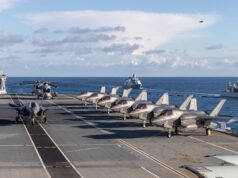
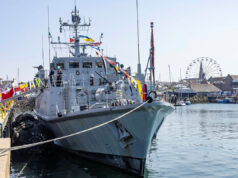
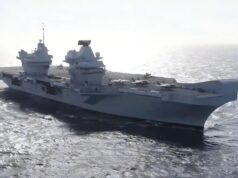
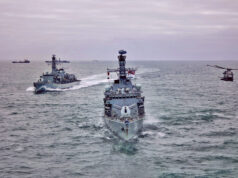
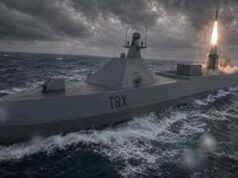
The Royal Navy has been a regular participant at the Troia range where REPMUS runs, through NATO’s Dynamic Messenger exercise which follows it and which turns the experimentation into operational trials. British uncrewed maritime work has been moving in the same direction, with the Royal Navy’s autonomy programmes and the Atlantic Bastion effort both built on connecting crewed and uncrewed platforms into a single targeting network.


Does this mean the Brits don’t have to shout loudly at the foreigners anymore to be understood?