

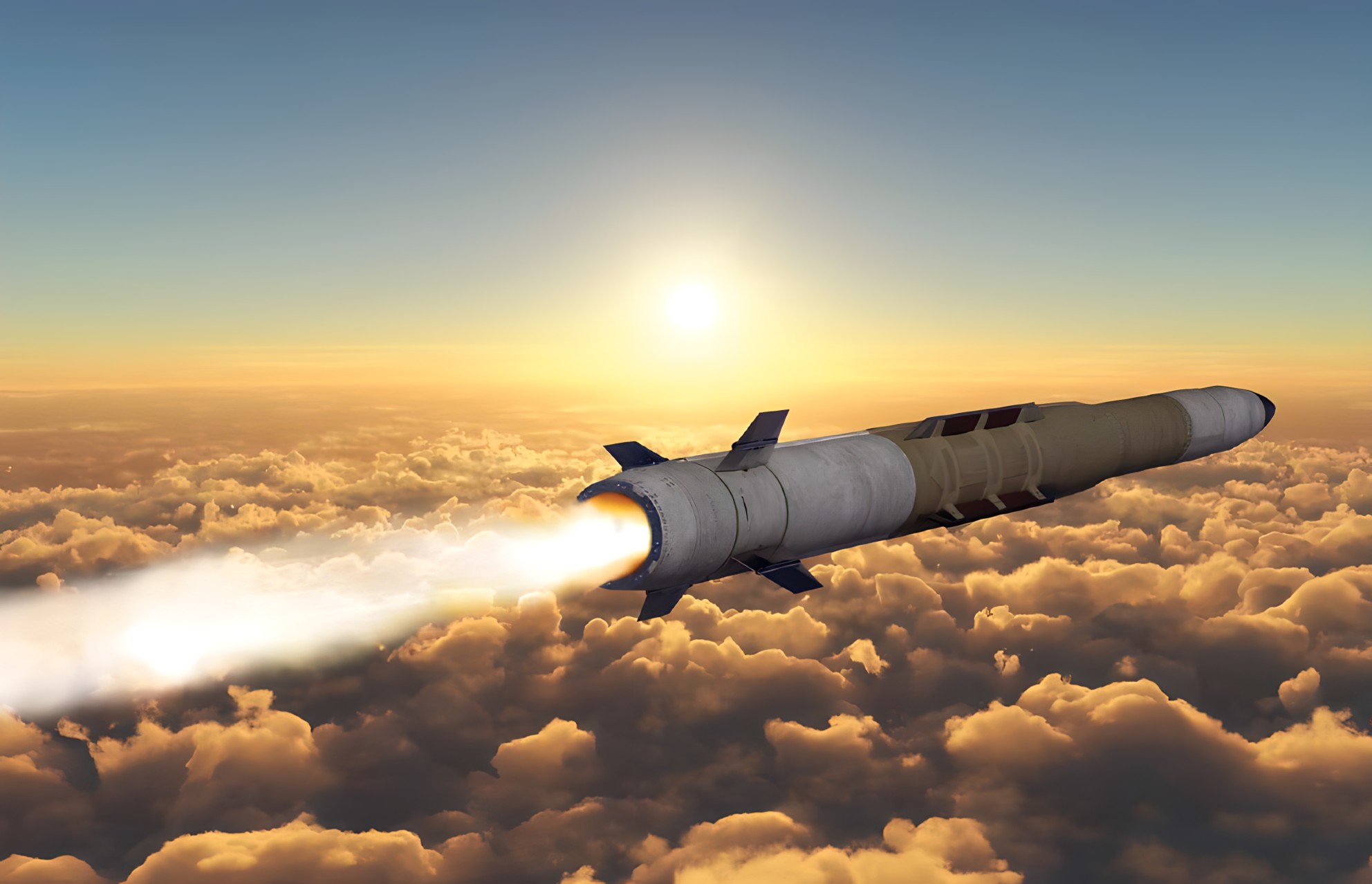
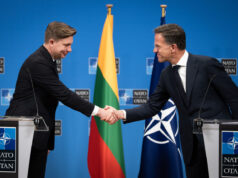
The flow of American weapons to Ukraine through NATO’s PURL mechanism has not been affected by the war in the Middle East, NATO officials have said, dismissing suggestions that the United States has been diverting equipment away from Ukraine.
On the sidelines of the NATO Defence Ministers’ meeting, the UK Defence Journal was told that a senior NATO official said there has been “no discernible impact” of the Middle East conflict on the delivery of PURL supplies, the mechanism through which allies fund the purchase of urgently needed American equipment for Ukraine, including Patriot interceptors and other battlefield-critical munitions, and said the United States “continues to supply critical kit to Ukraine” at the same pace as before.
The official went further, stating that 100 per cent of the items moving through PURL come from the United States, items the official said only America can supply, or can supply at the speed and scale Ukraine needs, with the change since last year being one of funding mechanism rather than substance, since allies now pay for equipment that the United States previously supplied directly.
Pressed on whether the pipeline had been disrupted by the surge in American ammunition use during the Middle East conflict, the official said flatly “we just simply don’t expect to see any slowdown”, explaining that equipment flows into Ukraine on a schedule projected months in advance, so that what was already in the pipeline continued to arrive while the pipeline itself was simultaneously refilled with new orders, meaning Ukraine has continued to see equipment arrive at speed throughout.
Beyond air defence interceptors, the official said PURL supplies extend to munitions including HIMARS-type extended-range rockets, tracked and wheeled vehicles, and repair parts needed at the front line, correcting an earlier reference to long-range strike weapons to clarify that systems such as ATACMS and Tomahawk cruise missiles are not part of what is currently moving through the mechanism.





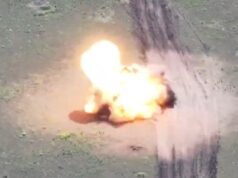


The battlefield geometry of the Ukraine war has transformed significantly in the first half of 2026, following years of grinding Russian advances. Frontline observations, mainstream reporting, and OSINT confirm that Moscow’s spring/summer offensive has stalled, forcing Russian forces to lose ground and retreat in critical sectors. Instead of a relentless Russian march forward, the theatre has entered a phase of attritional manoeuvre where Russian forces are losing territory and are retreating in critical sectors.
The Pokrovsk area has emerged as a definitive focal point of the Ukraine war in mid-2026. Frontline observations and OSINT confirm that Moscow’s offensive has stalled, forcing Russian forces to lose ground and retreat from key tactical positions.
According to verified OSINT data from tracking repositories and satellite imagery, the Pokrovsk offensive has inflicted catastrophic equipment strain on Russia’s Central Group of Forces. Since March 2026, visually confirmed Russian equipment losses in this sector alone include:
142 main battle tanks (primarily T-72 and T-80 models)
287 armoured fighting vehicles (BMP-2 and BTR-82A platforms)
45 tube and rocket artillery systems
These severe losses have forced the Russian command to prematurely deploy ill-trained reserves. Seizing this operational pause, Ukrainian assault brigades have launched localized counterattacks, successfully recapturing critical high-ground positions east of the city and pushing Russian lines back by 3 to 5 kilometres in key tactical pockets.
Ukraine’s success has relied on cutting Russia’s tactical supply lines. Geolocation data shows Ukrainian FPV and mid-range interceptor drones have systematically targeted supply corridors feeding Pokrovsk. Over 60 logistics trucks and 12 forward ammunition dumps were destroyed last month alone, triggering a 40% reduction in Russian artillery volume and forcing localized retreats due to supply starvation.
Concurrently, the northern Kupiansk sector has become a vital stabilizing anchor for Ukraine. Russian forces attempted to force a crossing of the Oskil River to unhinge Ukrainian defences, but OSINT data reveals the assault collapsed with the loss of over 30 bridging vehicles and armoured personnel carriers. Ukrainian clearing operations successfully pushed Russian elements back from the outskirts of Synkivka, securing the wider Kharkiv-Luhansk border zone.
Pokrovsk and Kupiansk represent an inflection point where Russia’s material advantages are waning. While the Kremlin relies on rigid, high-casualty infiltration tactics to project strength, the reality is a depleted force unable to sustain momentum. Ukraine’s drone-driven, asymmetric defence is successfully breaking Russian armour, proving that the narrative of an inevitable Russian breakthrough is fundamentally flawed.
I’ve gained $17,240 only within four weeks by comfortably working part-time from home. Immediately when I had lost my last business, I was very troubled and thankfully I’ve located this project now in this way I’m in a position to receive thousand USD directly from home. Each individual certainly can do this easy work & make more greenbacks online by visiting
following website—.,.,.,.,.—>>> JobatHome1.Com
‘The official went further, stating that 100 per cent of the items moving through PURL come from the United States, items the official said only America can supply, or can supply at the speed and scale Ukraine needs, with the change since last year being one of funding mechanism rather than substance, since allies now pay for equipment that the United States previously supplied directly’.
The lay reader might asssume that Ukraine is getting its entire imported war materiel from the US. Not so. Europe does more than this US in this regard.