

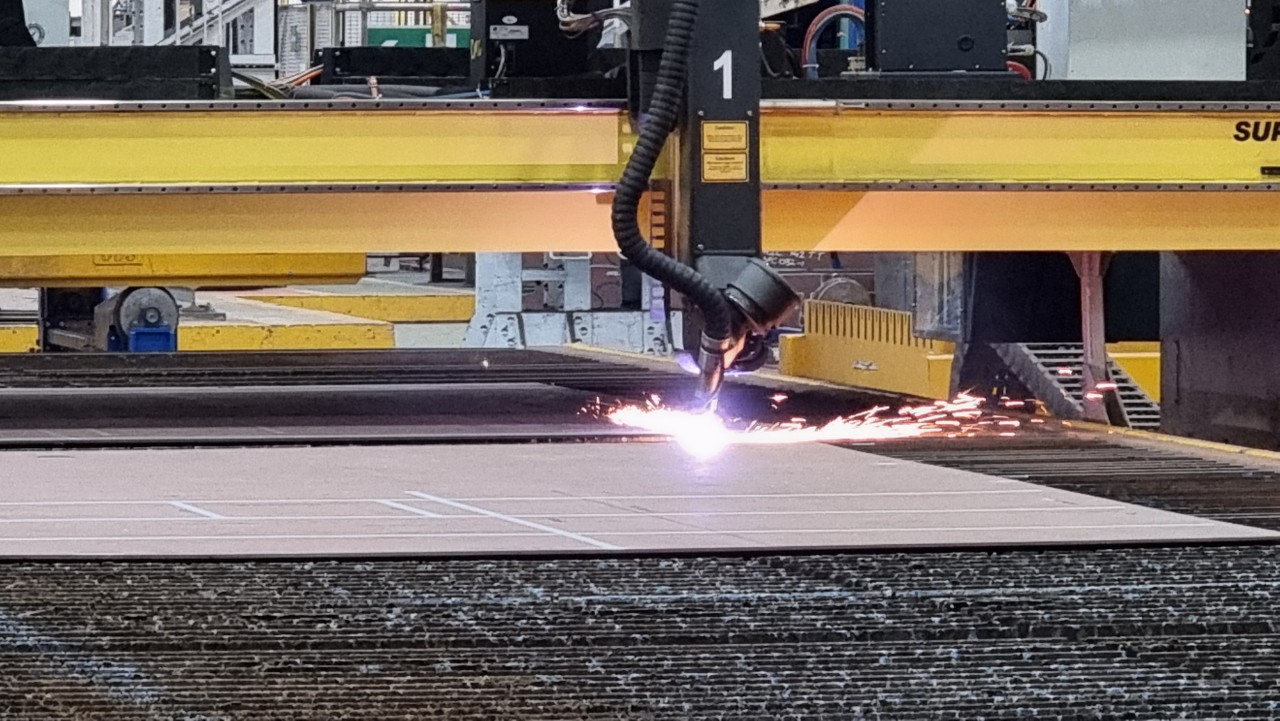
The increase in UK steel tariffs is adding to the Ministry of Defence’s own costs, Minister for Defence Readiness and Industry Luke Pollard has confirmed to MPs, in an exchange in which a select committee member noted it is the only cost pressure on the defence budget the government has imposed on itself.
John Glen MP asked what had been built into the Defence Investment Plan’s costings to account for the tariff rise, which took effect on 1 July, raising the rate from 25 to 50 per cent.
“We heard from Make UK in evidence that this would have a real impact in terms of costs,” Glen said, noting he had written to the department on the subject.
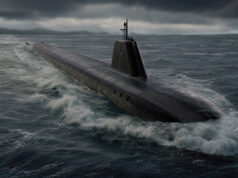
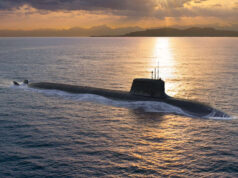
Pollard replied: “We’re broadly baking our expectation of cost increase into the budgets. We’re liaising directly with DBT around the concerns that industry have raised with us, but also what is our projected steel usage. As a whole we’re not a huge steel user within Defence, but we have particular steel requirements for certain platforms,” citing the specialist steels needed for submarine reactor builds as one example.
Asked directly whether the department would face higher costs as a result of the tariffs, Pollard said: “I mean, quite potentially, yes, given the fact we buy steel on the open market.” He said the Treasury had specifically added extra contingency to the plan to help cope with such pressures, alongside exchange rate movements on equipment bought from abroad and spikes in demand for critical minerals, allowing the department to absorb some volatility without adjusting its overall programme.
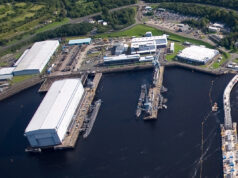
Glen noted that steel stood apart from other inflationary pressures facing the defence budget, “I think it’s the only one where the government itself has imposed this cost increase on itself,” he said, before turning to the shipbuilding pipeline, where Pollard said the department had settled on a steady drumbeat of production rather than delaying or accelerating output, citing the Norway Type 26 export deal, which extends Clyde production by an extra decade, as evidence the approach was working.






Honestly, it should be a non problem, but for Government Projects in defence, we should be tariff exempt for the Treasury and Subbies to know about in advance.
Might help to boost domestic steel production using modern methods in cities like, oh I know, how about Sheffield.
Obviously, but the Treasury will never accept that. Their accounting rules are simply bizarre.
When building large ships, It’s worth remembering that “Steel Is Cheap and so Is Space”.
Bugger, let’s just build small Drone boats Instead.
(Extract of actual Inter departmental conversation)
Can we use Fibre Glass ? 🫡
So build the steel here. Defence is exempt from state aid and state ownership rules for a reason. If not private company will do it then the state must build the steel for defence.
The cost breakdown.
When building a modern warship, the raw steel hull is actually one of the cheapest parts of the entire project. According to naval architecture and defense data (such as studies by the RAND Corporation), the total cost of a warship breaks down roughly to this …
Combat systems and electronics – radar, sonar, missiles, Decoys accounts for 40–50%
Propulsion and machinery – engines, power grid, turbines accounts for 20–30%
Labor, design and shipyard overhead accounts for 20–25%
Raw materials – the actual steel and aluminum accounts for 1–2%
So, on a £500 million warship, the actual raw steel being imported only accounts for about £5 million to £10 million of the total budget. The rest of that money is paying for complex missile silos, advanced radar systems, specialised labor, and software engineering.
Running the Numbers.
Assuming the shipbuilder has to import all of the specialised military-grade steel from abroad and completely exhausts their tariff-free quota …
Pre-tariff base price – £500,000,000
Raw steel value – £5,000,000
50% import tariff applied – adds £2,500,000
New total price – £502,500,000
Contract pricing amendments and the passing of costs on through the Single Source Regulations Office help the contractors recoup tariff monies. Steel tariffs are not outrageously affecting shipping construction costs, but they are helping to secure the UK steel industry.