

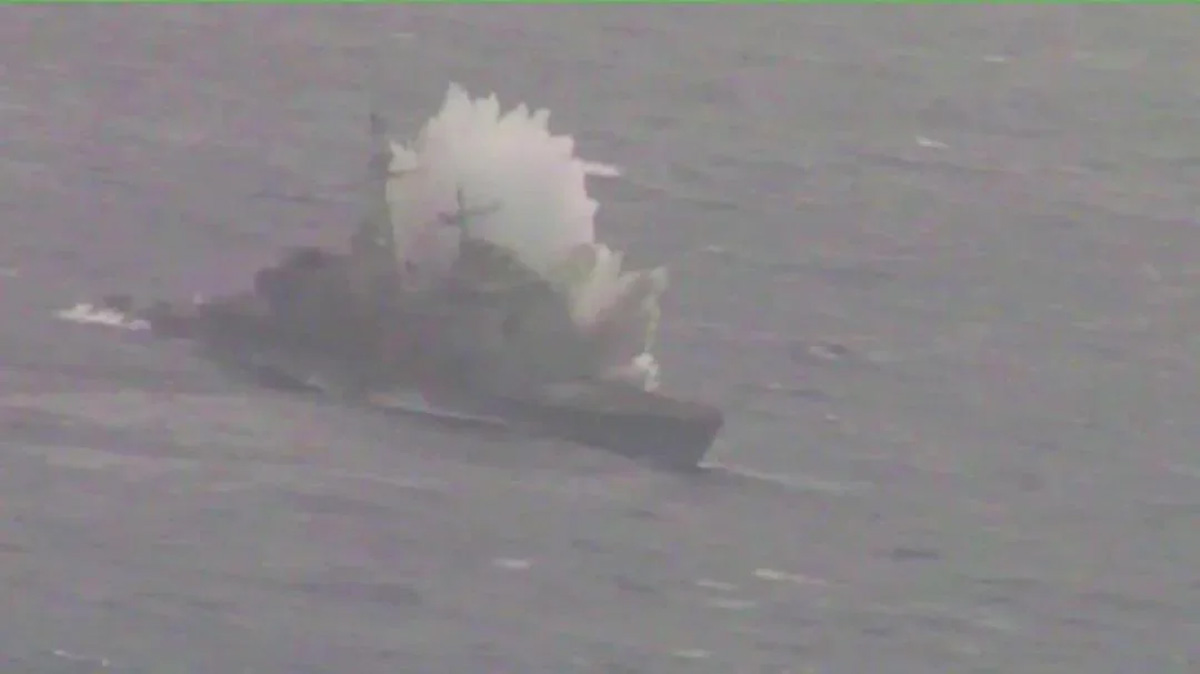
A Royal Canadian Navy submarine delivered the decisive torpedo strike against the decommissioned cruiser USS Mobile Bay during a multinational sinking exercise at RIMPAC 2026, the UK Defence Journal understands.
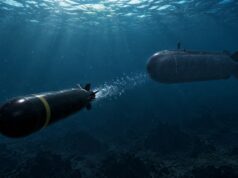
HMCS Corner Brook, a Victoria-class submarine, fired a Mk 48 heavyweight torpedo at the former Ticonderoga-class guided-missile cruiser during the live-fire event on 12 July. Mobile Bay was subsequently sunk in deep water north of Kauai as part of the wider Rim of the Pacific exercise.
An image taken through Corner Brook’s periscope showed the cruiser low in the water during the engagement, providing a view of the former US Navy warship shortly before it disappeared beneath the Pacific.
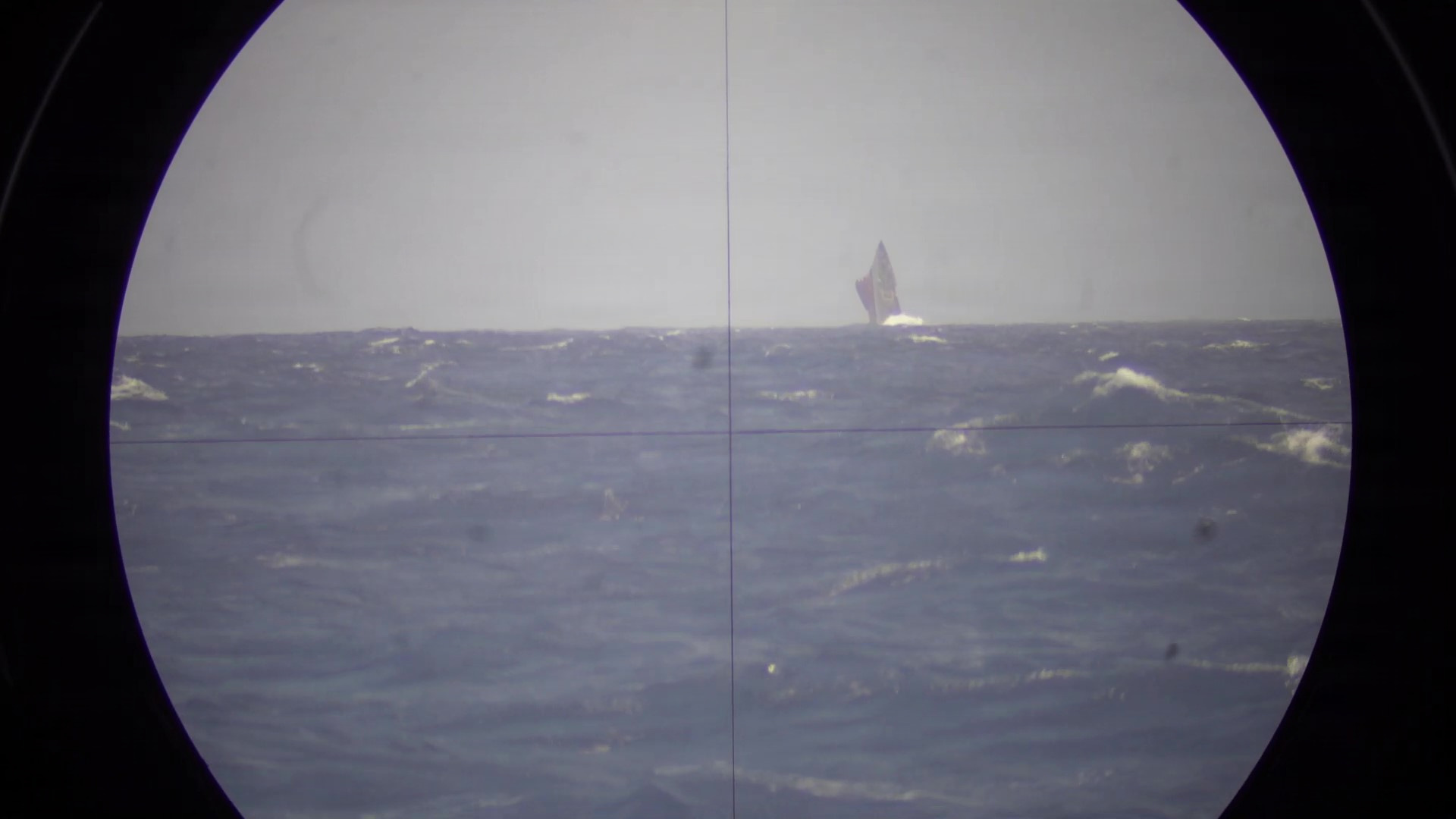
The sinking marked the first participation by a Canadian submarine in RIMPAC since 2014. For Corner Brook, the event also provided an opportunity to carry out the full sequence of a submarine attack, including detection, classification, tracking and weapon release against a large surface target.
Corner Brook returned to full operational service in 2025 following an extended period outside the normal deployment cycle. Its involvement in the exercise formed part of Canada’s effort to regenerate operational experience across its submarine force and test the boat alongside allied aircraft, ships and land-based units.
Mobile Bay was one of two former US Navy vessels used as targets during RIMPAC 2026. The decommissioned amphibious assault ship USS Peleliu was sunk five days later, on 17 July.
The US Navy said both ships were sent to the seabed in waters approximately 15,000 feet deep and more than 50 nautical miles from the northern coast of Kauai. Those locations are selected to comply with environmental and navigational requirements governing sinking exercises.
A sinking exercise, commonly known as a SINKEX, allows participating forces to employ live weapons against a full-sized naval target. Unlike instrumented ranges or simulated engagements, the use of a complete hull allows crews to observe the effects of different weapons while engineers gather information on structural damage, flooding and the sequence in which a ship is lost.
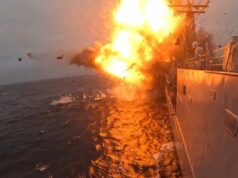
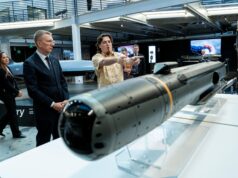
The attack on Mobile Bay involved weapons launched by several participating nations and services. Systems used against the cruiser reportedly included HIMARS-launched rockets, Type 12 anti-ship missiles, Long Range Anti-Ship Missiles, Spike missiles and heavyweight torpedoes.
US Army AH-64 Apache attack helicopters also engaged the target using Spike NLOS missiles. The combination of submarine, surface, air and land-based attacks reflected RIMPAC’s emphasis on coordinating weapons and targeting information across different services and national forces.
USS Mobile Bay entered service in February 1987 and remained active for more than 36 years before being decommissioned in August 2023. The cruiser served during Operations Desert Shield, Desert Storm and Iraqi Freedom, and launched Tomahawk cruise missiles during two conflicts.
The ship also supported humanitarian relief operations following the eruption of Mount Pinatubo in the Philippines in 1991. Mobile Bay was one of the US Navy’s Ticonderoga-class cruisers, a class built around the Aegis combat system and employed for air defence, strike and command duties within carrier groups.
RIMPAC 2026 ran from 24 June to 31 July in and around the Hawaiian Islands. The exercise involved 31 nations, 36 surface ships, five submarines, more than 200 aircraft, 15 national land forces and around 25,000 personnel.
First held in 1971, the 2026 event was the 30th iteration of RIMPAC. Its sinking exercises allowed participating forces to employ operational weapons against representative naval targets while testing targeting, communications and command arrangements across the multinational force.


I thought the headline a bit misleading..Thought we had a new war…!
Well the IOTUS still may have 2 years to go so you never know.
Glad to see NATO allies proceeding with exercises, probably in the pipeline for for many years, and hopefully churning out quietly, plans for similar in the future. Not sure certain people have an interest in detail.
In the next 15 years, Canada will have 12x Type 212 CD submarines with cruise missile ability (4x by 2034). I have noticed the US brass’s enthusiasm for having these new subs and ability for continental North America and beyond.