The Royal Navy and its nine Joint Expeditionary Force partners have signed a Northern Navies Initiative agreement to operate alike, train to one standard and build compatible kit, aiming to make the JEF NATO’s maritime vanguard in the north, according to the Royal Navy.
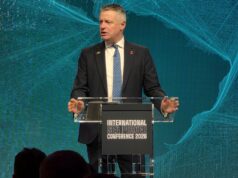
General Sir Gwyn Jenkins, the First Sea Lord, signed the agreement on board HMS Prince of Wales at the International Sea Power Conference in Oslo, alongside representatives of the other nine maritime nations. The Royal Navy says the JEF navies will plan together before a crisis and support one another, so a Royal Navy frigate could hand operational responsibility to another JEF member without losing momentum, one nation’s task group could direct allied sensors and uncrewed vessels, and a warship could repair, refuel and resupply in an allied port instead of returning home. Equipment will be interoperable by design, so future autonomous platforms can plug in and out of each other’s command and control systems, creating what the Navy calls one large maritime force in place of ten separate ones. The agreement also covers hostile activity below the threshold of armed conflict, including risks to undersea infrastructure and malicious seabed activity.
Jenkins said: “After nine months of hard work, I’m delighted that the JEF Northern Navies Initiative has today taken a huge step forward.
“Together, we have shown what is possible when like-minded nations are united by a common purpose.
“The threats we face are multiplying and that we must rise to the challenge before us.”
In his speech closing the conference, he added: “In recent years, there has been a recognition – rightly – that the UK and our European allies must step up and defend what we hold most dear.
“What I hope we have demonstrated today, through this Agreement, is that we are doing exactly that.” He told delegates that the risk of conflict is rising, but that “war is not inevitable – not if our enemies believe that we are serious.”
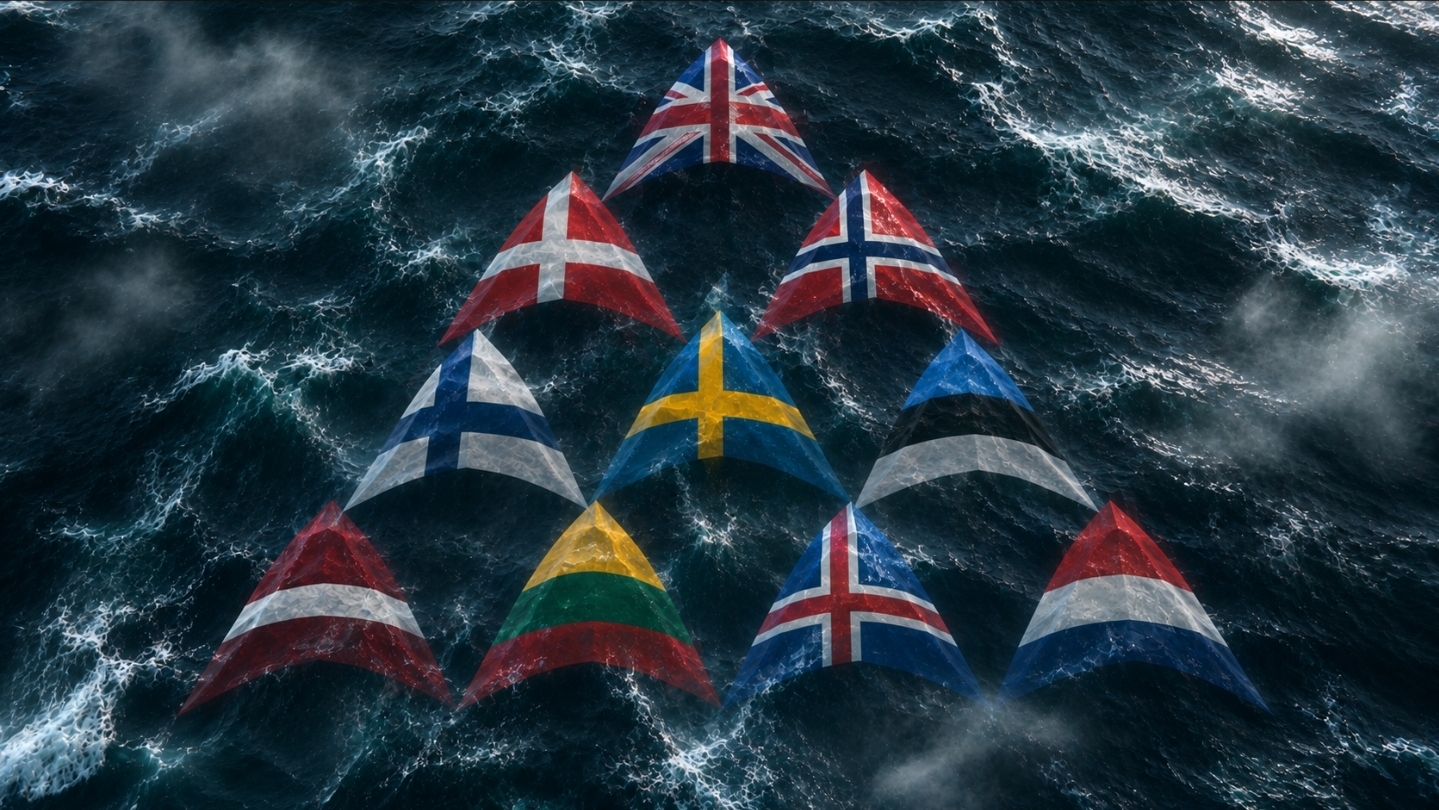
The Royal Navy says the JEF is not a new command structure, and that the navies should be able to act early, combine quickly and pass seamlessly into NATO command if the alliance needs to mobilise at scale. The agreement delivers on a statement of intent signed by all ten nations, Denmark, Estonia, Finland, Iceland, Latvia, Lithuania, the Netherlands, Norway, Sweden and the UK, earlier this year, followed in July by a Maritime Proposition with the UK as framework nation. The JEF was formed at the NATO summit in Wales in 2014 with seven nations.