

Defence technology firm SEA is providing acoustic sensing equipment for a project exploring the deployment of an autonomous underwater monitoring network, the UK Defence Journal understands.
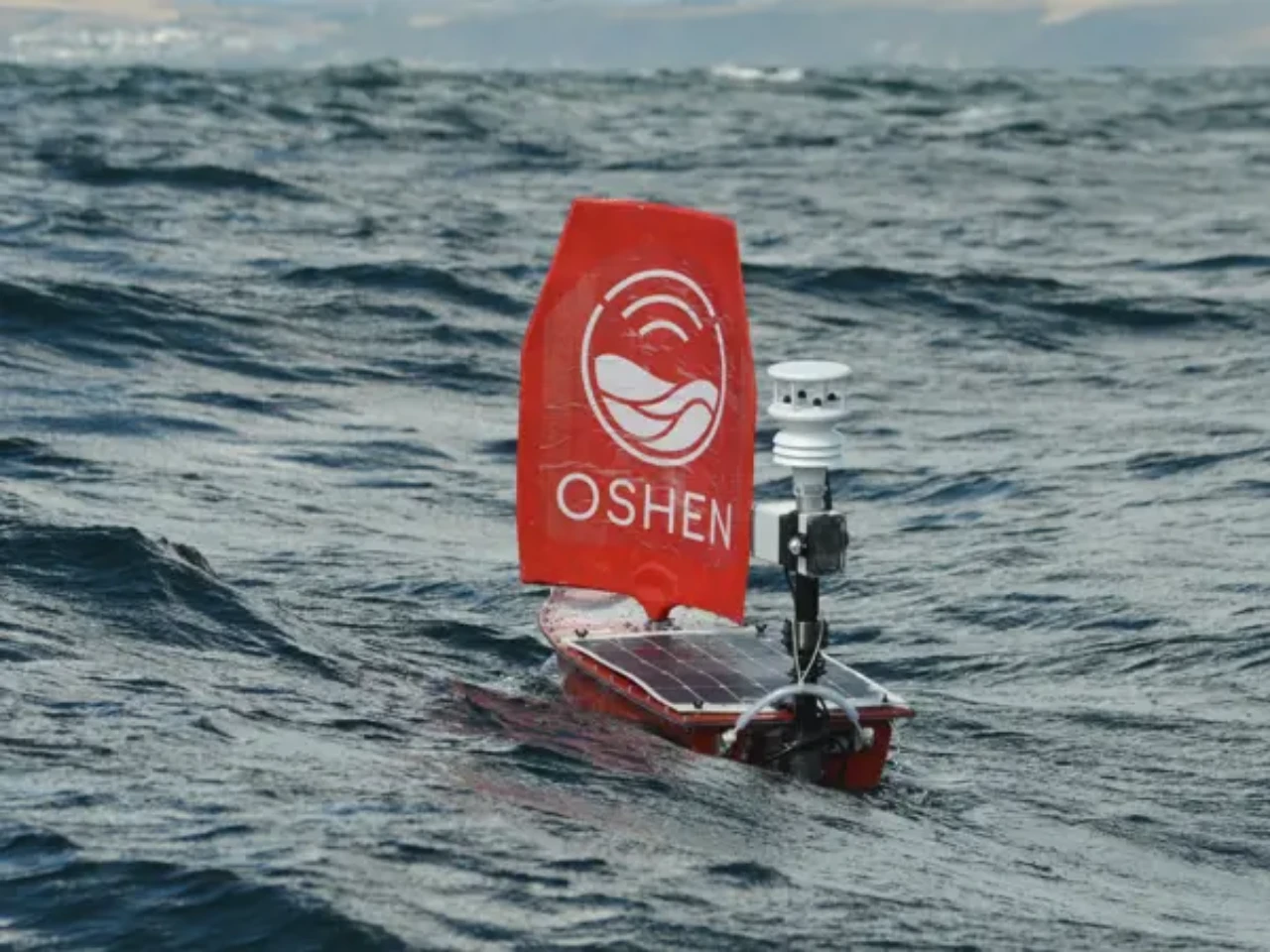
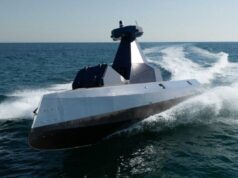
The project, led by uncrewed surface vessel specialist ZeroUSV with partners Oshen, MarineAI, and MSubs, is supported by UK Defence Innovation and the Defence Science and Technology Laboratory. It will see Oshen deploy its sail-powered C-STARS micro-drones from ZeroUSV’s Oceanus12 uncrewed surface vessel to act as a distributed acoustic network, monitoring for communication signals from underwater assets.
SEA will provide hydrophones for use on the C-STARS platforms to deliver a low-power acoustic listening capability. The company said its hydrophone technology is already deployed in various applications including maritime intelligence, surveillance, and reconnaissance and anti-submarine warfare operations.
Guy Hope, Business Development Executive at SEA, was quoted as saying: “Autonomous systems are reshaping how navies think about surveillance, anti-submarine warfare and communications. By integrating SEA hydrophones into Oshen’s C-STARS platforms, this exciting project aims to demonstrate a novel approach to the deployment of scalable, affordable, low-signature sensor and communication networks.”
Anahita Laverack, CEO of Oshen, said: “To deliver wide-area monitoring, robust and reliable performance is key. C-STARS was designed for long-endurance missions in extreme operating environments. By integrating SEA’s proven acoustic sensors on to the platform, we can enhance underwater situational awareness in a scalable and cost-effective way.”
Operations for the project are centred at Turnchapel Wharf in Plymouth, where both Oshen and ZeroUSV are based. Plymouth has been designated as the National Centre for Marine Autonomy and has become a growing hub for maritime autonomous technology in the South West. SEA will support the programme from its recently upgraded manufacturing facility in Barnstaple, North Devon.
The collaboration also builds on SEA’s wider work in UK and international anti-submarine warfare and ISR programmes, where its sensing and processing technologies, including the KraitSense system, are used to deliver underwater surveillance capabilities.



Atlantic bastion taking form. Suddenly having billion pound frigates towing sonars may not be the best or only solution for tracking submarines. One thing is clear our one web satellite constellation is going to become very important to stitch this all together.
Are these things able to be controlled? Or do they just drift?
See below, they can navigate using the sail for propulsion and they can form large swarms. Sounds like the perfect major system to be set up under Atlantic bastion probably with type 92 sloops based in Shetland transporting them out to their stations. The first phase of Atlantic bastion was potentially to be provided by a private contractor and this might be it. Sounds very promising, I had in my mind either type 92 sloops towing small towed arrays or sea gliders but this seems way better. Much more survivable and much more capable. Using commercial available hydrophones means we don’t have to worry about the Russians grabbing them and all the clever stuff can happen onshore with AI processing of the data. We just need to sort out the data feed but one web should be able to do that. One Web is specifically tailored for signal operations in the high north and we own a golden share so it’s perfect. It’s quite astounding that all this stuff is being offered by British companies developing things off their own back.
Key Features of Oshen C-Stars
Small and Rugged: The C-Star drones are compact, typically around 1-2 meters in length, allowing for easy deployment from beaches or smaller vessels.
Wind and Solar Powered: These robots are powered by wind (via a sail) and solar energy to run their systems, allowing for “self-sustaining” operations and long endurance, often lasting over 100 days.
Autonomous Operation: They use in-house, AI-enabled software for navigation and can operate in swarms, often referred to as “constellations,” to provide wide-area coverage.
Extreme Weather Capability: In 2025, Oshen made history by using C-Star drones to collect live data from inside Category 5 Hurricane Gabrielle.
Versatile Applications:
Ocean Monitoring: Collecting data on weather, temperature, and sea conditions.
Defense & Security: Partnering with companies like SEA to integrate hydrophones for underwater situational awareness and acoustic sensing, as well as working with the UK Ministry of Defence for surveillance.
I think this would become the Atlantic Net stage of the operation. Zero USV work on a charter basis rather than customer ownership with fits with the COCO ambition of Cabot, then RN owned and operated T92s would take over once they have been developed and a clearer strategy worked out.
Thanks for the explanation
Careful, that post was borderline optimistic, which would break site-rules 😉
Sorry, forgot to say
We’re all DOOMED!!!!
😂
Good to see you back ‘on message’ there! 😆