

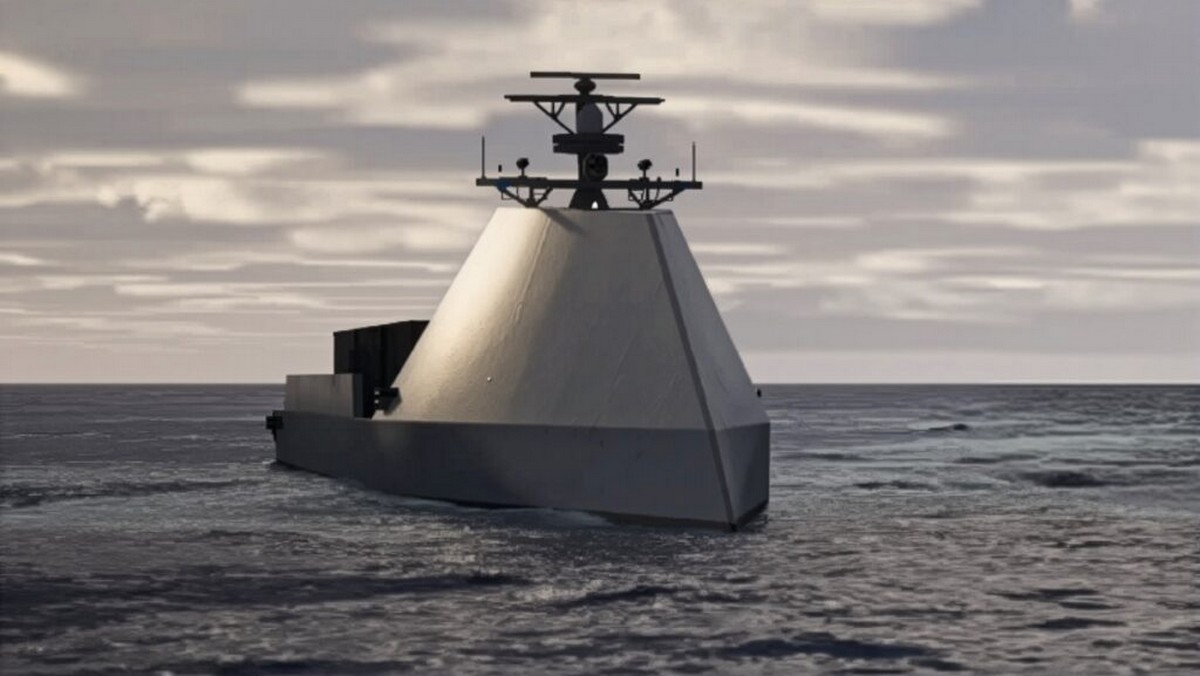
The United States Navy has selected seven companies to take their medium unmanned surface vessel designs forward to at-sea testing, the next stage of a marketplace effort aimed at fielding autonomous warships drawn from commercial technology, according to the Department of the Navy.
The seven firms named on 29 May 2026 are Sea Machines, Leidos, Saronic Technologies, Galliano Marine Services, PacMar Technologies, Birdon and Huntington Ingalls Industries. Each will advance to the testing phase of the Medium Unmanned Surface Vessel marketplace, part of what the Navy describes as its MUSV Family of Systems development.
Under the arrangement, a company whose vessel completes the at-sea test will receive 15 million dollars and become eligible for follow-on production. The Navy said the testing would begin next month and should conclude by October 2026, a timeline that gives the competing designs only a few months in the water before results are assessed.
The service framed the marketplace as a deliberate change in how it buys unmanned ships. Rather than commissioning bespoke designs through traditional channels, the approach is intended to draw on mature commercial solutions already in existence, with the aim of fielding the technology more quickly. According to the Navy, the model also opens the work to smaller and non-traditional shipyards that might not otherwise compete to build elements of the future fleet.
The programme sits under the Portfolio Acquisition Executive for Robotics and Autonomous Systems, whose stated mission is to deliver what the Navy terms hedge capabilities, expanding naval power and operational persistence while imposing dilemmas designed to slow an adversary’s tempo and freedom of action. The “hedge” framing reflects a broader US Navy argument that large numbers of comparatively cheap, attritable unmanned platforms can complement a smaller force of expensive crewed warships, adding mass without the cost and build time of conventional hulls.
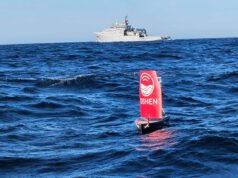
Medium unmanned surface vessels occupy the middle of the U.S. Navy’s unmanned ship plans, larger than the small craft used for harbour and littoral tasks but well below the displacement of a frigate or destroyer. The intended roles centre on intelligence, surveillance and reconnaissance and on carrying sensors or payloads over long endurance, freeing crewed ships for tasks that require people aboard.



I’ve gained $17,240 only within four weeks by comfortably working part-time from home. Immediately when I had lost my last business, I was very troubled and thankfully I’ve located this project now in this way I’m in a position to receive thousand USD directly from home. Each individual certainly can do this easy work & make more greenbacks online by visiting
following website—.,.,.,.,.—>>> JobatHome1.Com