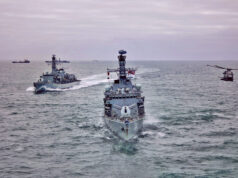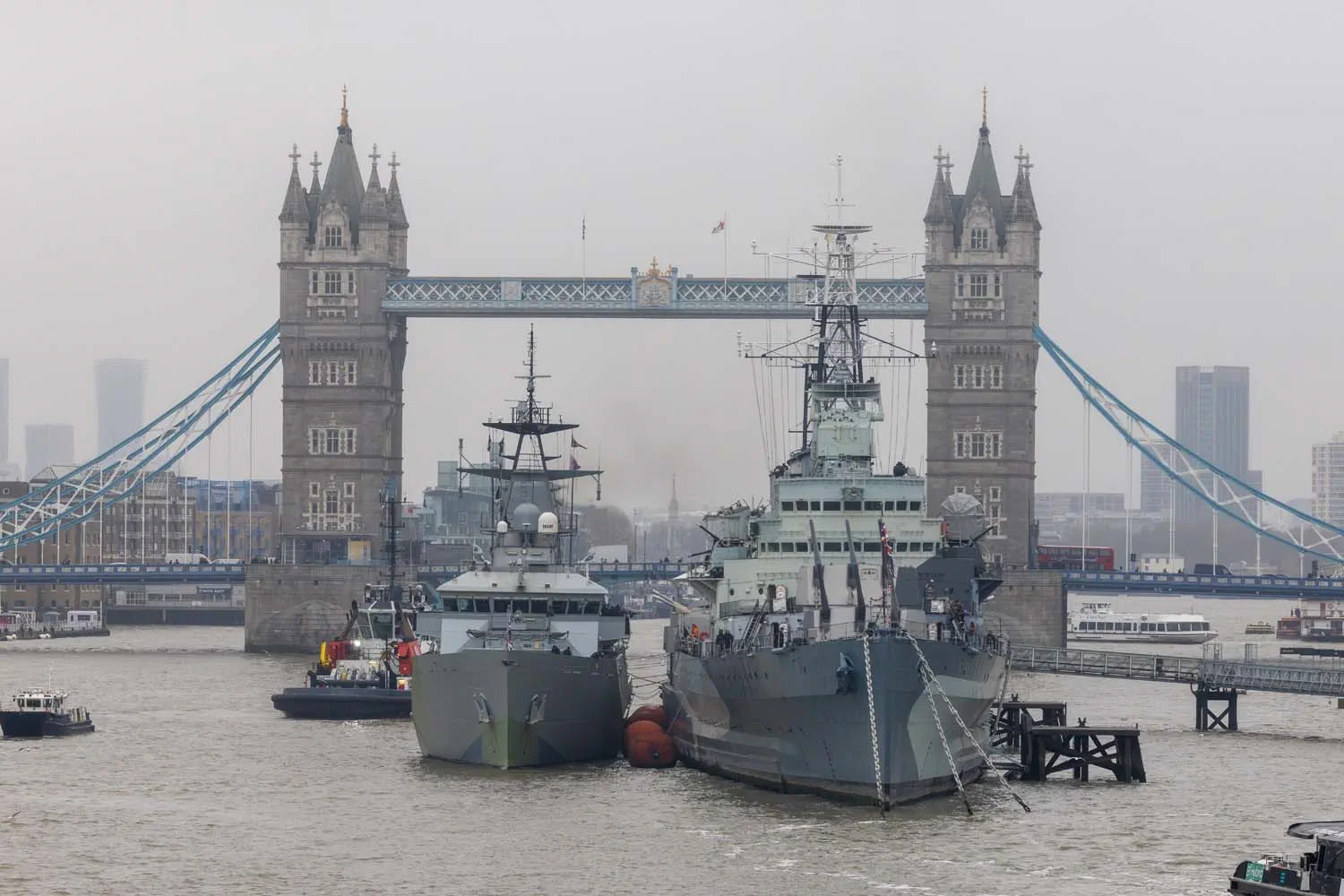
HMS Tyne has berthed alongside HMS Belfast in London carrying a Kraken K3 Scout uncrewed boat from the 1st Autonomous Squadron and drones from 700X Naval Air Squadron, to show ministers and industry how crewed and uncrewed kit works together, according to the Royal Navy.
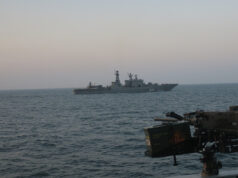
The offshore patrol vessel has spent recent months protecting UK waters, and in October was sent with HMS Dauntless and Royal Navy helicopters to report on Russian ship movements in the English Channel.
Lieutenant Commander Sam Fields, Commanding Officer of HMS Tyne, said: “HMS Tyne is proud to demonstrate how the Royal Navy is evolving to meet future threats and showcase how emerging technologies and autonomous systems can work alongside our people to create a more capable, resilient and adaptable navy.”
The Royal Navy said the 1st Autonomous Squadron is accelerating the move of autonomous technologies from experimentation into operational service, combining autonomous platforms with the skills of personnel to increase reach, persistence and situational awareness while reducing risk to life.
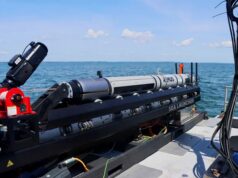
The ship also hosted the announcement of a £142 million investment in HII’s REMUS 620 uncrewed underwater vehicles, which will find and help dispose of sea mines. The vehicles can travel at up to eight knots, dive to 600 metres and operate for up to 110 hours, and will work with the UK-developed SeeByte SeeTrack and Neptune software already used by the Royal Navy. The contract will support jobs in the UK, including in Portchester, and is HII’s biggest abroad.
Defence Secretary Wes Streeting said: “This investment strengthens our ability to protect freedom of navigation, which is critical to our security and our economy.
“By using the biggest sustained increase in defence spending since the Cold War to put the latest technology in the hands of our sailors, we are taking them out of harm’s way and giving them the tools to keep vital shipping routes open, keeping us all safe in a more dangerous world.”
Through the week, Tyne is hosting government departments, parliamentary audiences, academics and industry partners, alongside STEM visits for young people.
The Royal Navy commissioned its first autonomous squadron earlier this month, and has said the squadron will defend the British coast. Figures released in Parliament this week show the Royal Navy surface fleet now numbers 49 vessels, and ministers have said the Hybrid Navy will add lethality to the fleet.