

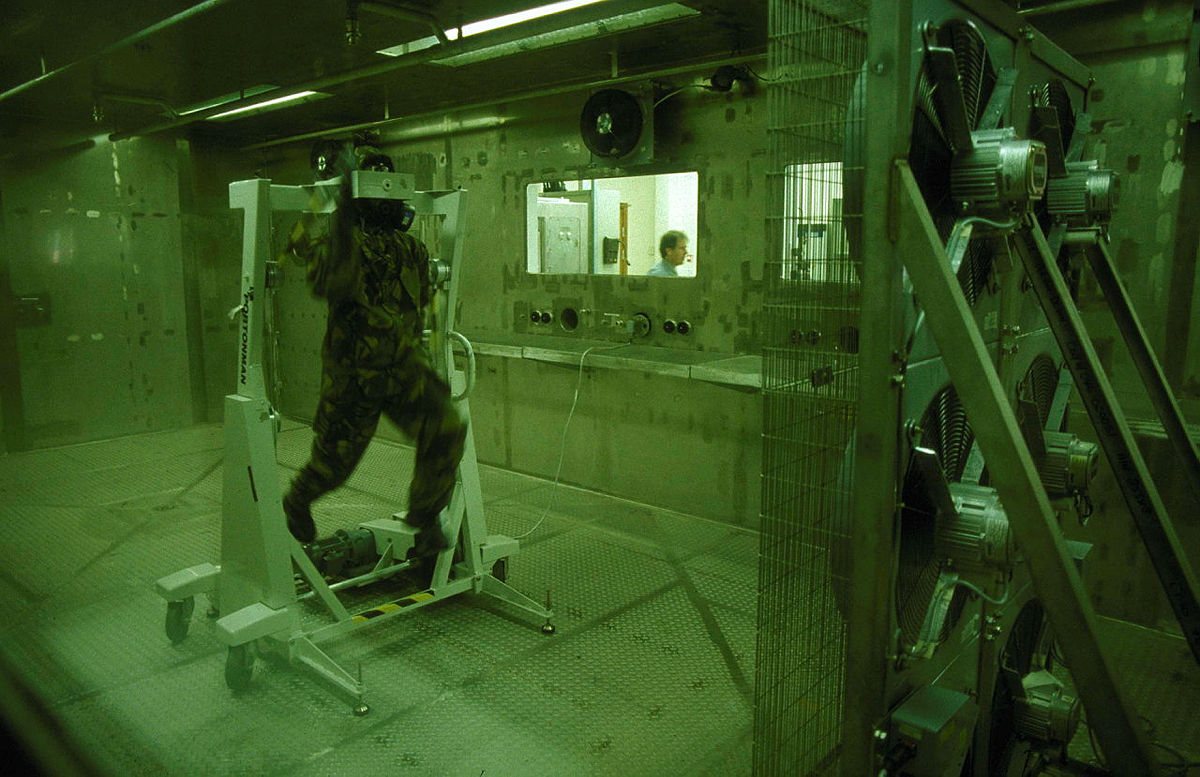
A new laboratory researching protection against biological threats will be built at Porton Down and named after Ernest Bevin, described in the Defence Investment Plan as “one of the major figures behind the founding of NATO”, the Ministry of Defence stated.
The facility is confirmed as part of a wider programme of investment at the Defence Science and Technology Laboratory, known as DSTL. According to the plan, the laboratory will “enable new research into protection against biological threats to the UK and our NATO allies.”
Bevin, who served as Foreign Secretary in the post-war Attlee government, was central to the negotiations that produced the North Atlantic Treaty in 1949. The choice of name ties the new facility to the alliance whose importance runs through the plan, with the Defence Secretary’s foreword stating: “NATO has been the foundation of our security for 77 years. In a more dangerous world, our commitment to the Alliance is absolute,” as quoted in the plan.
Porton Down, near Salisbury, has been the home of British defence science for more than a century and houses DSTL’s principal chemical and biological research capabilities. The site drew international attention in 2018 when its scientists identified the Novichok nerve agent used in the Salisbury poisoning.
The new laboratory sits within £580m of DSTL infrastructure spending confirmed over the next four years, part of a wider £4.3bn allocation to science, innovation and technology. Core science and technology funding receives £2.1bn, while UK Defence Innovation, the department’s innovation agency, is backed by a ringfenced annual budget of £400m totalling £1.6bn by 2030.
The plan states: “The world-leading Defence Science and Technology Laboratory (DSTL) will drive investment in disruptive technologies working closely with industry and academia, retaining sovereign skills in-house to remain an intelligent customer, build anchor partnerships with universities, and deepen international research collaboration.”
Between 2030 and 2035 the Ministry plans to invest at least £13bn in science, innovation and technology. Priority research areas named for that period include artificial intelligence, robotics and autonomy, enhanced weapons, space-based capabilities, cyber and electronic warfare, quantum, and engineering biology, with continued investment in critical infrastructure at DSTL to provide the facilities required.
Investment in protection against chemical, biological, radiological and nuclear threats extends beyond the laboratory itself. The plan commits additional funding to what it calls “the most important C-CBRN requirements, including personal protective equipment and science and technology exploitation and decontamination,” with significantly expanded and modernised counter-CBRN systems and protection listed among the major investments planned through to 2035.
A new Director General Innovation position will manage both UK Defence Innovation and DSTL, placing science and technology at the heart of the National Armaments Director Group, according to the plan.












I recommend “A Higher Form Of Killing”, a fascinating book.
Fascinating place, parts of which I don’t want to look at too closely, though I can detail much of it.
And a vital and often overlooked part of Defence with all the obsession with how many Tanks planes ships.
The functions of Fort Halstead moved there several years back, which you can clearly see driving across to the Pheasant Pub!